
Furnace Gas Smell: Safety Steps | Jefferson County, MO
Quick Summary
No, do not keep running a furnace that smells like gas. Leave the furnace, thermostat, and switches alone. Get everyone out, move a safe distance from the house, and call your gas utility's emergency line or 911. Do not wait for the smell to fade.
- Natural gas has no odor on its own; utilities add an odorant so leaks smell like rotten eggs.
- Do not use light switches, garage door openers, or phones indoors. A spark could ignite gas.
- Do not relight the pilot or touch the gas valve.
- Stay outside until the gas utility or emergency responders say it is safe to return.
- Carbon monoxide has no smell. Install CO alarms on every level and outside sleeping areas, following the manufacturer's instructions.
Table of Contents
- Can I Run My Furnace If It Smells Like Gas? The Short Answer
- What to Do If You Smell Gas in Your Home: 7 Steps
- Why Your Furnace Smells Like Gas When It Turns On
- How Long Should a Furnace Smell Like Gas?
- Furnace Gas Leak Symptoms: What Your Body and Your Home Tell You
- Common Causes of a Gas Odor Near the Furnace
- What to Expect From the Gas Utility and Your HVAC Technician
- Schedule a Furnace Inspection With Ricotta
- Frequently Asked Questions
Can I Run My Furnace If It Smells Like Gas? The Short Answer
No. If you smell gas, leave without touching the furnace or thermostat. Call your gas utility's emergency line or 911 from a safe distance outside.
For Jefferson County homeowners, even during Missouri's cold winters, getting everyone out takes priority over keeping the heat on.
Natural gas has no smell on its own. Utilities add an odorant, often called mercaptan, to give it a noticeable rotten-egg smell. The U.S. Consumer Product Safety Commission's guidance on gas appliances explains why gas odors and fuel-burning appliance safety deserve immediate attention.
What to Do If You Smell Gas in Your Home: 7 Steps
Keep these steps in mind, but do not delay leaving to finish reading or investigate the source.
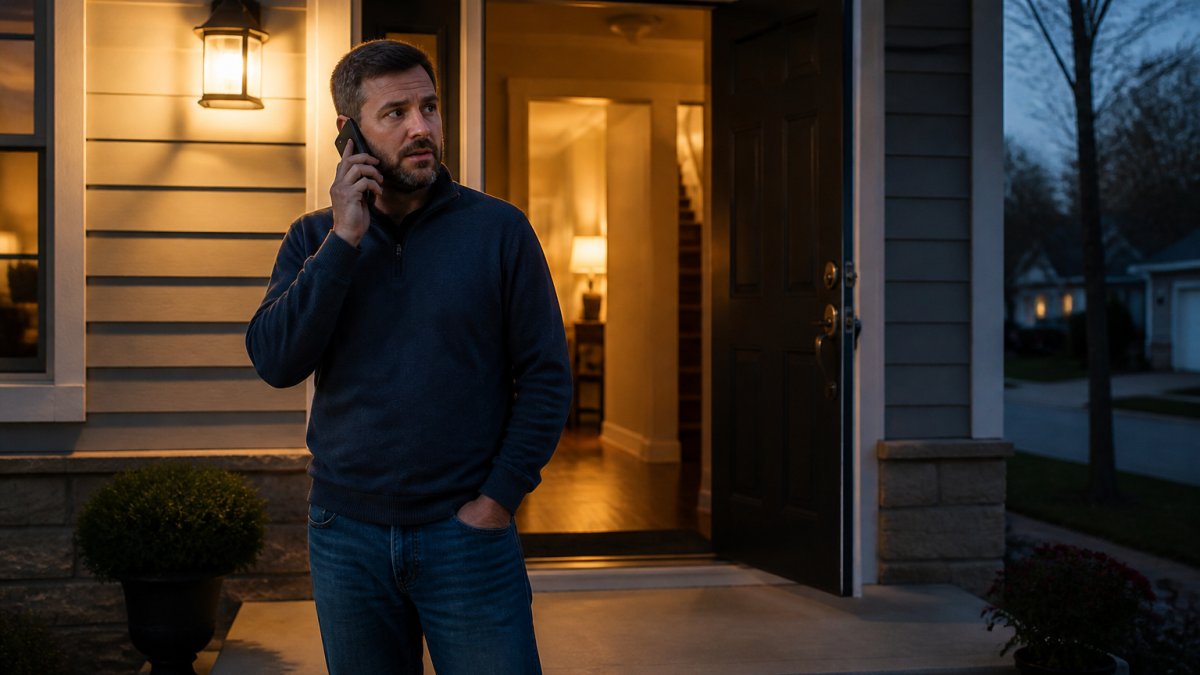
- Get people and pets out. Leave immediately. Do not stop for belongings or search for the leak.
- Move a safe distance away. Do not linger near doors, windows, or the gas meter. Do not stop to open windows or ventilate the house.
- Call your gas utility's emergency line or 911. Use your phone only after you are safely away from the building.
- Avoid switches, flames, and sparks as you leave. Do not operate lights, appliance controls, garage door openers, or phones indoors. Do not smoke or start a vehicle near the suspected leak.
- Leave the furnace and gas valves alone. Do not relight the pilot, open equipment panels, or attempt repairs.
- Stay outside until responders clear the home. A fading smell does not mean it is safe to return.
- Tell responders what you noticed. Describe where you smelled gas and whether anyone feels ill. Share only what you already know; do not go back to check.
Leaving comes first. You do not need to prove there is a leak before calling for help.
Step 1: Get Everyone Out, Then Call From Outside
Get everyone outside, including pets you can take without delaying your exit. Do not search rooms for the source or stop to gather belongings.
Move well away from the house before calling your gas utility's emergency line or 911. Follow the dispatcher's instructions and report any symptoms right away.
Step 2: Avoid Switches, Flames, and Sparks
Electrical controls can create sparks. Leave light switches, thermostats, appliance controls, and garage door openers alone. Do not unplug equipment or use a phone indoors.
Also avoid:
- Matches, lighters, and candles
- Smoking or vaping
- Starting a car in an attached garage or near the suspected leak
The National Fire Protection Association offers fire safety resources. During a suspected gas leak, focus on leaving without creating an ignition source.
Step 3: Leave the Furnace Alone Until Help Arrives
Do not open the furnace panel, relight the pilot, or turn a gas valve. Leave shutdown and testing to the gas utility or emergency responders.
A technician can check the ignition system after the immediate danger has been addressed. Our guide on what to check when a furnace won't ignite explains possible causes, but none of those checks should happen while you smell gas.
Wait at a safe distance and follow responders' instructions.
Here is a quick reference for the seven safety steps.
| Step | What to do | Key detail |
|---|---|---|
| 1 | Get people and pets out | Do not delay to investigate |
| 2 | Move a safe distance away | Do not linger on the porch or near the meter |
| 3 | Call the gas utility or 911 | Use your phone only when safely away |
| 4 | Avoid switches, flames, and sparks | Leave electrical controls alone as you exit |
| 5 | Do not touch the pilot or gas valves | Leave shutdown and repairs to professionals |
| 6 | Stay out until responders give clearance | A fading odor does not prove safety |
| 7 | Describe what you noticed | Report the odor's location and any symptoms |
Why Your Furnace Smells Like Gas When It Turns On
A gas odor when the furnace starts may indicate an ignition problem, a leaking connection, or a faulty gas valve. The timing can help a technician diagnose the problem, but it does not tell you whether the house is safe.
In Hillsboro, the first heating cycle after Missouri's humid summer may bring a dusty, burning smell as settled dust heats up. That is different from a rotten-egg gas odor. If you suspect gas or cannot tell the difference, leave and call.
Tell responders if you already noticed any of these patterns:
- The smell returns whenever the heat starts
- It seems stronger near the furnace
- You notice it even when the heat is off
Do not run another heating cycle to test it. For non-emergency odor questions, our guide to burning smells from a furnace explains other possible causes.
How Long Should a Furnace Smell Like Gas?
Do not wait to see how long a gas smell lasts. There is no safe waiting period a homeowner can determine by smell.
Even an odor that disappears needs to be reported. Leave, call from a safe distance, and have the cause checked before using the furnace again.
Furnace Gas Leak Symptoms: What Your Body and Your Home Tell You
A gas leak may occur without physical symptoms. Do not wait to feel sick before leaving. Symptoms can also overlap with carbon monoxide exposure and other medical problems.
After responders address the immediate hazard, contact Ricotta about a furnace inspection →
Symptoms that need urgent attention when a gas leak or CO exposure is suspected include:
- Headache
- Dizziness
- Nausea
A rotten-egg odor or hissing near a gas line can signal a leak. Soot, scorch marks, or a pilot that repeatedly goes out can indicate other combustion or equipment problems. Do not approach the furnace to look for these signs during a suspected leak.
If anyone feels ill and you suspect gas or carbon monoxide, leave and call 911 from a safe distance. Tell the dispatcher about the symptoms and seek medical help.
Natural Gas Odor vs. Carbon Monoxide: Two Different Warnings
Natural gas odor and carbon monoxide are different warnings. The odor added to natural gas can alert you to a fuel leak. Carbon monoxide has no smell, as the CDC explains.
Carbon monoxide can form when fuel does not burn completely. Install and maintain CO alarms according to the manufacturer's instructions. A standard CO alarm does not detect a natural gas leak unless it is specifically designed to detect both.
If a CO alarm sounds, get everyone outside and call 911. Our guide to carbon monoxide warning signs around a furnace explains equipment problems that need professional attention; those signs are not a substitute for CO alarms.
Common Causes of a Gas Odor Near the Furnace
A gas smell near the furnace can come from the fuel supply or an ignition problem. Technicians check several possible sources:
- Leaking gas connections. A damaged or improperly sealed fitting can allow gas to escape.
- A faulty gas valve. A valve that does not close properly may allow unwanted gas flow.
- A damaged gas line. Corrosion or physical damage can cause a leak.
Do not try to tighten fittings or find the leak yourself. Gas piping needs proper testing and repair by a qualified professional.
What to Expect From the Gas Utility and Your HVAC Technician
For a suspected leak in Jefferson County, call the gas utility or 911 before arranging a furnace service visit. Emergency responders address the immediate hazard; equipment repairs come afterward.
Who to call first. Call your gas utility's emergency line or 911 from a safe distance outside.
What the utility crew may inspect. Depending on the situation, checks may include:
- Combustible-gas readings around the meter and outside the home
- The service line and meter for leaks
- Gas-detector readings near the furnace, water heater, and other gas appliances
The utility will explain which repairs it handles and which require another qualified professional. Procedures depend on the leak's location and the utility's requirements.
What the HVAC technician checks. Once emergency responders have addressed the hazard and allowed access, a qualified technician can:
- Leak-test accessible furnace gas components, connections, and supply piping using appropriate equipment
- Inspect the venting and heat exchanger for damage, corrosion, or obstructions
- Check ignition, combustion, and draft when it is safe to operate the equipment for testing
When the furnace can be restarted. Returning to the house does not necessarily mean the furnace is ready to use. Do not relight the pilot or restore gas yourself. Follow the utility's instructions and wait until required repairs and safety checks are complete.
Routine maintenance can help identify equipment problems, but it cannot guarantee that a leak will not occur. Our HVAC maintenance schedule for homeowners outlines seasonal upkeep.
Schedule a Furnace Inspection With Ricotta
If you smell gas now, leave and call your gas utility or 911. Do not wait for an HVAC appointment.
Once responders have addressed the immediate danger, contact Ricotta Heating & Air about a furnace inspection. We are a family-owned company based in Hillsboro, serving Jefferson County and South St. Louis County.
We can inspect the furnace and explain the repair options based on what we find. Contact us to discuss the next step before putting the system back into service.
Frequently Asked Questions
Should I turn off my furnace if I smell gas?
Do not approach the furnace or touch the thermostat, switches, or gas valves. Get everyone out and call your gas utility's emergency line or 911 from a safe distance. Leave the shutdown to emergency responders or the utility.
Can the smell of a gas leak come and go?
Yes. Air movement and equipment operation can affect when you notice an odor. A smell that fades does not prove the leak has stopped. Leave, report it from a safe distance, and do not use the furnace again until the problem has been checked and addressed.
How long should a gas smell last after a furnace starts?
Do not use the duration of a gas smell to decide whether it is safe. Even a brief odor should be reported. Leave without touching the equipment and call the gas utility or 911 from a safe distance.
What symptoms mean I should leave immediately?
Leave immediately if you smell gas or a CO alarm sounds, even if nobody feels ill. Headache, dizziness, nausea, confusion, or shortness of breath with suspected exposure require urgent medical attention. Call 911 from outside at a safe distance, describe the symptoms, and do not go back inside.

This article was written with AI assistance and edited for Hillsboro and Jefferson County homeowners by Ricotta Heating & Air. For advice about your own system, call (314) 333-5900.