
Burning Smell From Your Furnace: Safety Check Guide
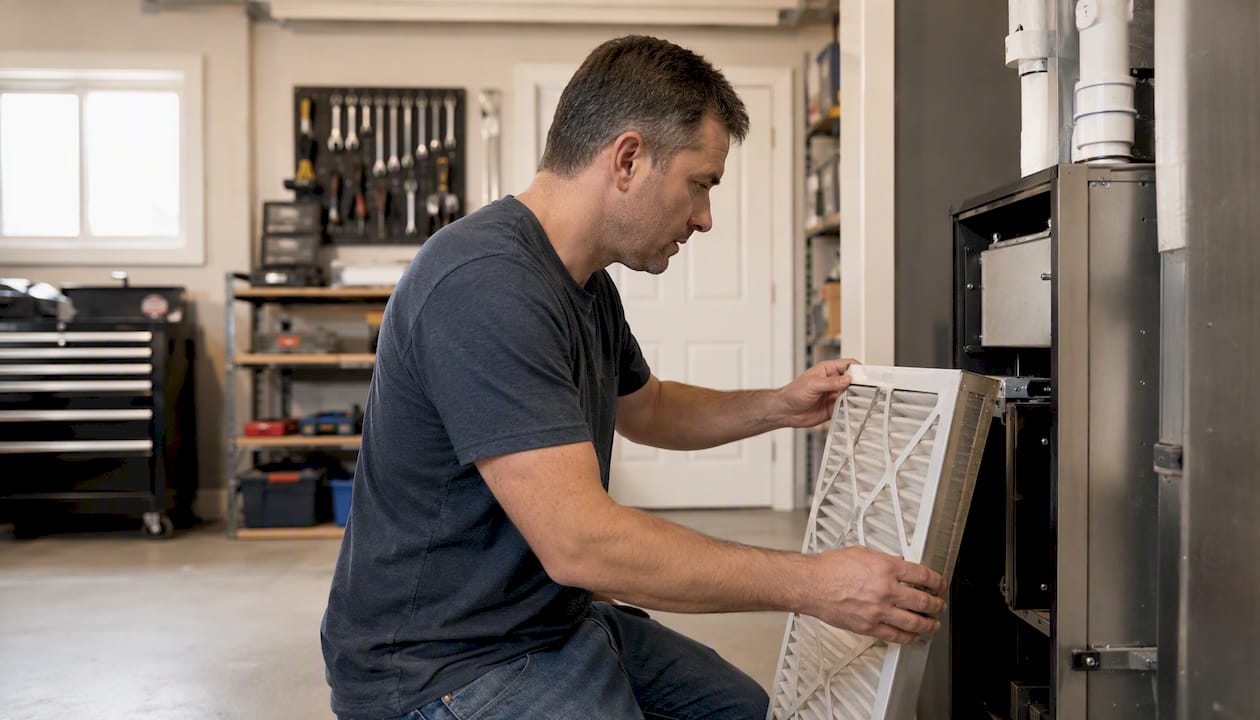
A burning smell from your furnace is not automatically a reason to panic, but it does demand your immediate attention. Most of the time, that dusty, slightly acrid odor you notice when you fire up the heat for the first time each fall is completely normal. Dust settles on the heat exchanger and burners all summer, and it burns off within the first 30–60 minutes of operation. According to Carrier, this seasonal dust burn-off is common and usually temporary. The smell should fade on its own.
What you cannot ignore: a burning plastic or electrical odor, a rotten-egg smell, visible smoke, or any smell that keeps coming back cycle after cycle. Those are different situations entirely.
Right now, here is what to do based on what you smell:
- Dusty or musty smell on first startup: Open a window, let the system run for up to an hour. If the smell clears, you are likely fine.
- Burning plastic, rubber, or electrical odor: Turn off the furnace at the thermostat and then at the breaker. Ventilate the home. Do not restart it. Call an HVAC technician.
- Rotten-egg or sulfur smell: Do not touch any light switches or electrical devices. Leave the house immediately, leaving the door open behind you. Call 911 and your gas utility from outside or a neighbor’s home.
- Smoke or soot visible: Evacuate and call 911.
Check that your carbon monoxide (CO) detector and gas detector are working before heating season starts. The NFPA lists heating equipment among the leading causes of home fires, and a working detector is your first line of defense.
Key Takeaways
A dusty burning smell on first startup is usually normal and clears within an hour; any electrical, plastic, or sulfur smell requires immediate action and professional diagnosis.
| Point | Details |
|---|---|
| Normal vs. dangerous smell | Dusty burn-off on first use clears in 30–60 minutes; plastic, electrical, or sulfur smells are never normal. |
| Immediate gas leak action | Evacuate without touching switches, call 911 and your gas utility from outside, do not re-enter until cleared. |
| Filter is the first check | A clogged filter restricts airflow, overworks the blower motor, and is a leading cause of burning odors. |
| Red flags requiring a pro | Persistent smell, electrical odor, smoke, soot, CO alarm, or a smell that returns every heating cycle. |
| Ricottaheatingandair | Offers same-day diagnostics and emergency furnace repair for St. Louis and Jefferson County homeowners with transparent pricing and 50 years of local experience. |
Table of Contents
- What causes a burning smell from a furnace?
- A homeowner’s safety checklist for the moment you notice a smell
- Safe troubleshooting steps you can take as a homeowner
- How long is a burning smell normal, and what are the red flags?
- Likely repairs and what they typically cost
- How to prevent burning smells before they start
- When to call an HVAC professional and what to ask
- How Ricottaheatingandair helps St. Louis and Jefferson County homeowners
- What to do if you smell a gas leak from your furnace
- Why guessing with furnace smells is always the wrong move
- Ricottaheatingandair’s maintenance plans and emergency repair service
- Sources
What causes a burning smell from a furnace?
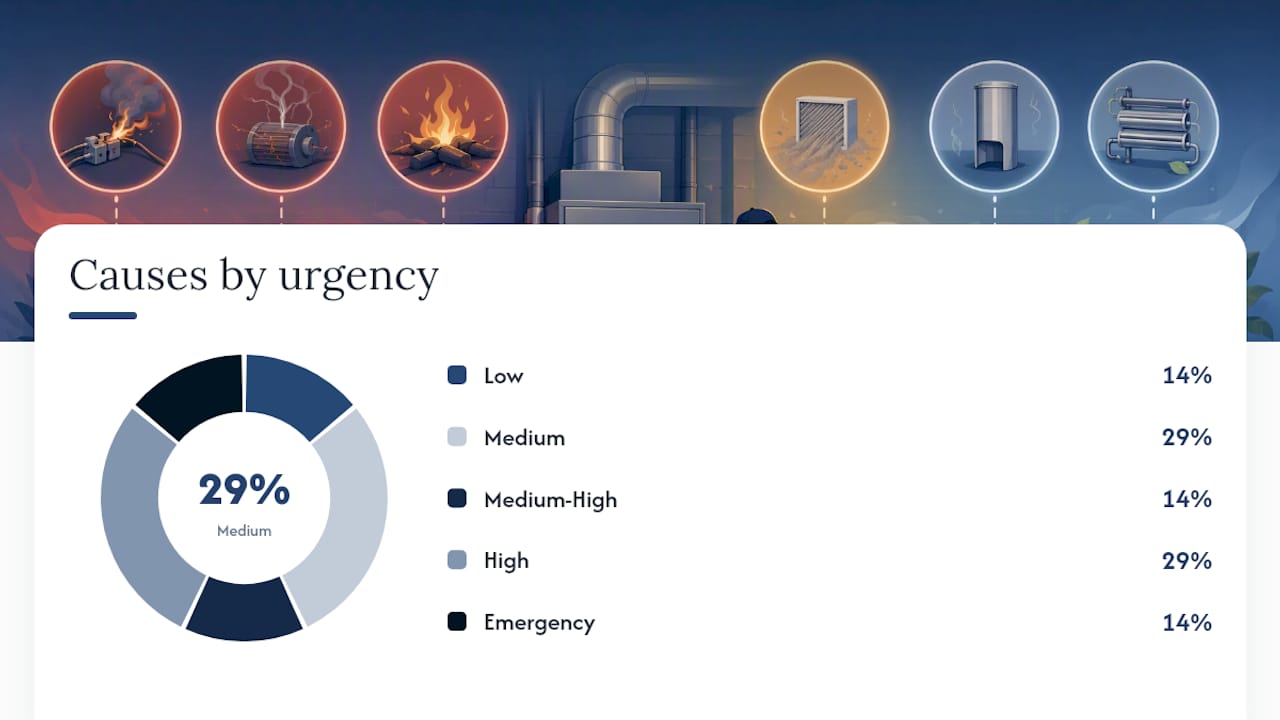
Identifying the smell correctly is the fastest way to decide whether you need a technician today or can wait until morning. The table below maps the most common odors to their likely source and urgency level.
| Smell | Most Likely Cause | Urgency |
|---|---|---|
| Burnt dust, faint and brief | Seasonal dust burn-off on heat exchanger | Low — normal on first use |
| Burning plastic or rubber | Foreign object in ductwork, melting wiring insulation | High — shut off and call a pro |
| Electrical, metallic, or ozone | Overheating blower motor, wiring fault | High — shut off and call a pro |
| Oily or smoky-oil | Oil furnace leak or burner problem | Medium-High — call a technician |
| Rotten egg or sulfur | Natural gas leak (mercaptan additive) | Emergency — evacuate now |
| Musty or moldy | Mold in ducts or on evaporator coil | Medium — schedule cleaning |
| Foul, persistent, or animal-like | Rodents, insects, or debris in ductwork | Medium — inspect and clean |
Trane notes that new equipment can also produce a temporary odor from protective coatings burning off during the first few uses. That smell is similar to dust burn-off and clears quickly. If your furnace is brand new and the smell fades after the first cycle or two, that is expected behavior.
The smells that should never be dismissed are burning plastic and electrical odors. Plastic melts at relatively low temperatures, so if something is hot enough to produce that smell, the heat source is significant. American Standard links clogged air filters directly to blower motor overheating, which can produce exactly this kind of odor. A filter so clogged it restricts airflow is like trying to breathe through a pillow: the motor strains, overheats, and starts burning the insulation around its windings.
Hunker points out that debris, pet hair, insect remains, and small objects in ductwork or baseboard heaters can also produce persistent or unusual smells that are easy to mistake for something more serious. Checking the registers and visible duct openings is a reasonable first step before calling anyone.
A homeowner’s safety checklist for the moment you notice a smell
Work through this in order. The highest-risk scenarios come first.
If you smell rotten egg or sulfur:
- Do not flip any light switches, use your phone inside, or operate any electrical device.
- Leave the house immediately. Leave the door open.
- Call 911 and your gas utility from outside.
If you smell burning plastic, electrical, or see smoke:
- Turn the furnace off at the thermostat.
- Go to your electrical panel and shut off the furnace breaker.
- Open windows and doors to ventilate.
- Do not restart the system.
- Call an HVAC technician. If you see active smoke or flames, call 911 first.
If you smell burnt dust on first startup:
- Open a window in the room nearest the furnace.
- Let the system run and monitor the smell.
- If it clears within an hour, the system is likely fine.
- If it persists or changes character (becomes sharper, more chemical), shut the system off and call a technician.
Low-risk checks you can do from a safe distance:
- Confirm your CO detector is lit and functioning. HL Bowman notes that CO alarm activation warrants immediate evacuation and an emergency call, even without a visible smell.
- Walk to each register and note which room has the strongest odor. This helps a technician locate the source faster.
- Listen for unusual sounds: grinding, squealing, or banging alongside a smell often points to a mechanical problem.
Before you call a technician, write down:
- The exact character of the smell (dusty, plastic, chemical, oily, sulfur).
- Which vent or room it’s strongest in.
- When it started and whether it’s constant or comes and goes.
- Any sounds, visible smoke, or pilot light changes you noticed.
Pro Tip: Take a short video on your phone of any visible signs (smoke, scorch marks, unusual pilot behavior) before you shut the system down. A technician can often narrow the diagnosis before they arrive.
Safe troubleshooting steps you can take as a homeowner
There is a clear line between what a homeowner can safely check and what requires a licensed technician. Stay on the right side of it.
-
Turn off the furnace if the smell is electrical or plastic. Go to the thermostat first, then the breaker. This stops the system from running while you investigate and prevents further damage.
-
Check and replace the air filter. Pull the filter out and hold it up to a light. If you can barely see light through it, it is overdue for replacement. A clogged filter restricts airflow, forces the blower motor to work harder, and can cause overheating. Most 1-inch filters should be replaced every 30–90 days. Thicker media filters (4–5 inches) can last up to a year. American Standard’s guidance ties dirty filters directly to burning odors and blower strain.
-
Inspect visible registers and vent covers. Look for toys, paper, pet toys, or anything that could have fallen into a floor register. Remove only items you can reach easily without tools. Do not reach into ductwork or remove panels.
-
Look at the area around the furnace from a safe distance. Check for scorch marks, discoloration on the cabinet, or any melted material near the unit. If you see any of these, do not open the furnace cabinet. Call a technician.
-
Check baseboard heaters if you have them. Dust, pet hair, and debris collect inside baseboard heater fins and burn when the heat comes on. Vacuuming the fins with a brush attachment before the heating season starts is a simple fix.
-
Ventilate and monitor. If the smell is faint and dusty, open windows, run the system for up to an hour, and watch whether the smell fades. If it does not fade or gets stronger, shut the system off.
-
Do not open the furnace cabinet, touch wiring, or attempt to inspect the heat exchanger yourself. A cracked heat exchanger can leak combustion gases including carbon monoxide into your living space. This is a job for a licensed technician with the right tools.
How long is a burning smell normal, and what are the red flags?
The short answer: a faint dusty smell on the first startup of the season is normal and should clear within 30–60 minutes. Carrier confirms that this is one of the most common furnace odor complaints and is usually nothing to worry about.
What moves a smell from “normal” to “call someone” territory:
- The smell lasts longer than an hour on the first startup, or it comes back on subsequent cycles.
- The smell is sharp, chemical, or plastic-like at any point. This is not dust burn-off.
- You notice the smell mid-season, not just on the first use of the year.
- Visible smoke is coming from any register, vent, or the furnace cabinet itself.
- Soot appears around vents or on walls near registers.
- The pilot light goes out repeatedly, or the furnace short-cycles (turns on and off rapidly).
- Your CO detector activates. Carbon monoxide is odorless, so an alarm going off alongside any furnace smell is a serious warning. Evacuate immediately and call 911. The NFPA’s home heating safety guidance is clear: do not re-enter until emergency services clear the space.
- The smell returns every time the furnace runs. Recurring odors after the first cycle suggest a persistent problem, not seasonal dust.
Trane recommends stopping the unit and calling a technician any time odors persist or smell like plastic or electrical burning. That is the right call.
Likely repairs and what they typically cost
Repair costs vary by region, system age, and what the technician finds. The ranges below reflect typical residential HVAC service in the St. Louis and Jefferson County area and are meant as planning benchmarks, not firm quotes.
Thomas & Galbraith note that persistent burning smells often point to overheating components, wiring faults, or a failing heat exchanger, all of which require technician diagnostics before any repair decision.
Pro Tip: Always ask for a written estimate before work begins. Ask specifically whether the diagnostic or trip fee applies toward the repair cost, and request upfront disclosure of any emergency service surcharge if you are calling after hours.
How to prevent burning smells before they start
A little routine maintenance goes a long way. Here is a simple schedule to follow.
-
Change or inspect your air filter every 30–90 days. Fiberglass 1-inch filters need replacement monthly. Pleated filters can last 60–90 days. If you have pets or live in a high-pollen area, lean toward the shorter end. A clean filter protects the blower motor and keeps airflow where it needs to be.
-
Schedule a professional tune-up in late summer or early fall, before you turn the heat on for the first time. A technician will clean the burners, check the heat exchanger, lubricate moving parts, and test safety controls. This is the single best way to catch problems before they become burning smells or emergency calls. Trane’s maintenance guidance specifically recommends this timing.
-
Keep the area around your furnace clear. Cardboard boxes, stored clothing, and cleaning supplies near the furnace are fire hazards. The NFPA recommends maintaining clearances around heating equipment.
-
Inspect registers and duct openings at the start of each season. Remove any visible debris, pet toys, or objects that have fallen in. Vacuum register covers while you are at it.
-
Consider upgrading to a higher-MERV filter if you have pets, allergies, or heavy household dust. A MERV 8–11 pleated filter captures more particulates than a basic fiberglass filter and reduces the amount of dust that settles on your heat exchanger. For whole-home filtration options, Ricottaheatingandair’s indoor air quality services cover filtration upgrades that make a real difference in air cleanliness and odor control.
When to call an HVAC professional and what to ask
Some symptoms are beyond the scope of homeowner troubleshooting. Call a licensed HVAC technician when:
- The burning smell persists beyond the first hour of seasonal startup.
- The smell is electrical, plastic, or chemical at any point.
- You see smoke, soot, or scorch marks anywhere near the furnace or registers.
- You suspect a gas leak (rotten-egg smell). Call your gas utility and 911 first, then an HVAC tech after the emergency is resolved.
- Your CO detector activates.
- The furnace short-cycles, shuts off unexpectedly, or the pilot light keeps going out.
- The smell returns every time the furnace runs, even after you have replaced the filter.
Questions to ask when you call:
- Are you NATE-certified or licensed for work in St. Louis County and Jefferson County?
- Do you offer same-day or emergency service?
- What does the diagnostic include, and does the fee apply toward the repair?
- What is your trip fee, and is there an after-hours surcharge?
- Do you provide a written estimate before starting work?
- What warranty do you offer on parts and labor?
NATE (North American Technician Excellence) certification is the industry’s primary credential for HVAC technicians. It means the technician has passed standardized testing on installation, service, and safety. Licensing requirements vary by state, but in Missouri, HVAC contractors must hold a state license. Ask to see both.
How Ricottaheatingandair helps St. Louis and Jefferson County homeowners
When a burning smell turns into something you cannot explain or resolve with a filter swap, having a local team you can call without hesitation matters.
Ricottaheatingandair offers emergency furnace repair for homeowners who cannot wait, along with same-day diagnostics for Jefferson County and St. Louis-area homes. The team services all major brands and backs its work with transparent estimates and over 150 five-star Google reviews.
Before you call, have this information ready so dispatch can get the right technician to you faster:
- The smell’s character (dusty, plastic, electrical, sulfur, oily).
- Which room or vent it’s strongest near.
- When it started and whether it’s constant or intermittent.
- Your furnace brand, model, and approximate age if you know it.
- Whether your CO or gas detector has activated.
For furnace and heating repair across St. Louis County, Ricottaheatingandair’s family-owned approach means you get a straight answer, not a upsell.
What to do if you smell a gas leak from your furnace
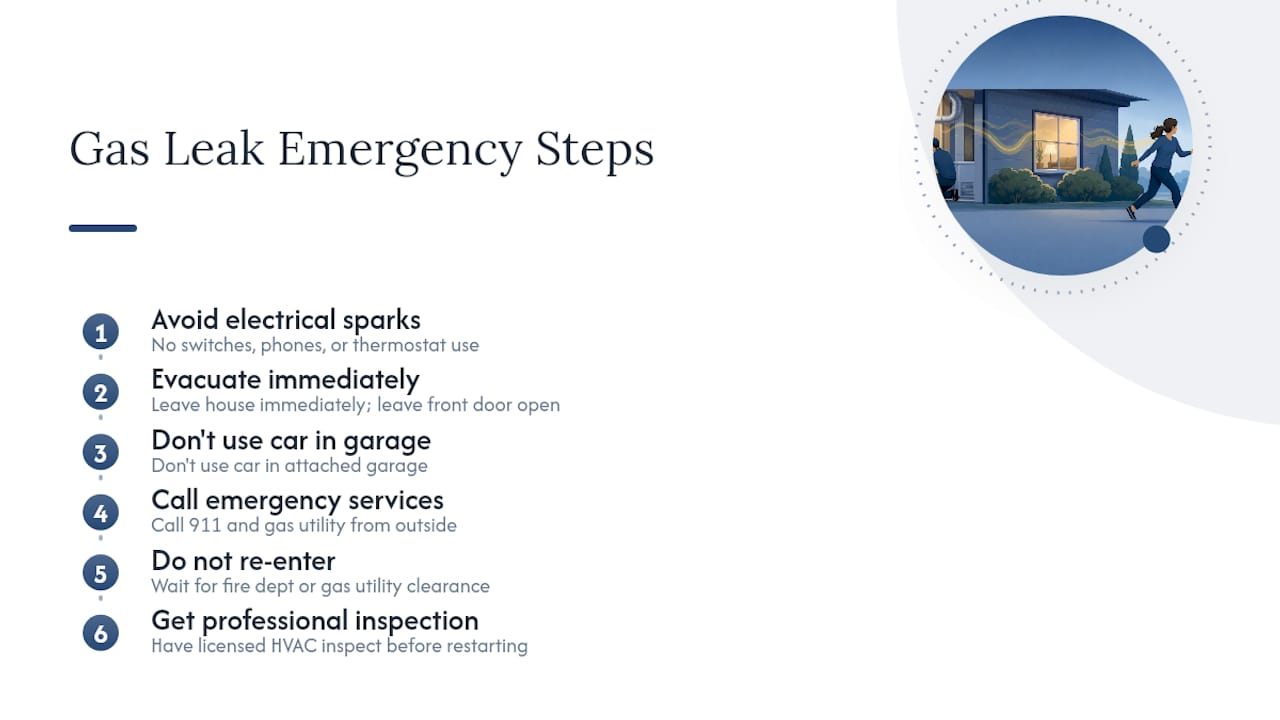
A rotten-egg or sulfur smell near your furnace is not a furnace odor problem. It is a gas emergency. Natural gas is odorless on its own; utility companies add mercaptan, a sulfur compound, specifically so you can detect a leak. If you smell it, the protocol is strict.
Step 1: Do not touch anything electrical. No light switches, no phone calls from inside, no thermostat adjustments. Even a small electrical spark can ignite gas that has accumulated in an enclosed space.
Step 2: Get everyone out of the house immediately. Leave the front door open as you exit to help disperse gas. Do not stop to grab belongings.
Step 3: Do not use your car if it is parked in an attached garage. The ignition can spark. Move away from the house on foot.
Step 4: Call 911 from outside or a neighbor’s home. Also call your gas utility’s emergency line. In the St. Louis area, Spire Energy’s 24-hour emergency line is 1-800-887-4173. They will dispatch a technician to shut off the gas at the meter.
Step 5: Do not re-enter the house until the fire department or gas utility has inspected and cleared it. Even after the gas is shut off, residual gas can remain in enclosed spaces.
Step 6: After the emergency is resolved, call a licensed HVAC technician to inspect the furnace, gas connections, and any related components before you restart the system. HL Bowman’s guidance is consistent with this protocol: visible smoke, persistent electrical burning odors, or CO alarm activation all warrant evacuation and emergency contact before any other action.
Do not attempt to locate the leak yourself, and do not assume the smell will go away on its own.
Why guessing with furnace smells is always the wrong move
There is a temptation, especially with a faint or intermittent smell, to wait and see. Most of the time, that works out fine because the smell really was just dust. But the times it does not work out fine are the ones that matter.
Electrical burning smells from a furnace often come from wiring insulation that is already degraded. The smell is the warning before the failure. A homeowner who waits a week to call a technician may find the blower motor has seized, the control board has shorted, or in the worst case, a wiring fault has progressed to something more serious. The diagnostic cost of catching it early is almost always a fraction of the repair cost of catching it late.
The same logic applies to CO risk. Carbon monoxide has no smell. A cracked heat exchanger can leak combustion gases into your living space without any odor at all. If your furnace has been producing a persistent burning smell and you have not had the heat exchanger inspected, you do not actually know whether CO is present. A CO detector is not optional equipment.
What I have seen repeatedly is that homeowners who combine a quick filter check with a scheduled annual tune-up almost never face emergency furnace calls mid-winter. The tune-up catches the small things before they become the big things. That is not a sales point. It is just how preventive maintenance works.
Ricottaheatingandair’s maintenance plans and emergency repair service
When you need a furnace inspection or emergency repair in St. Louis or Jefferson County, Ricottaheatingandair gives you a straight path to a real answer.

Ricottaheatingandair’s maintenance plans include a pre-season furnace tune-up that covers exactly the checks most likely to prevent burning smells: burner cleaning, heat exchanger inspection, blower motor service, filter replacement, and safety control testing. Plan members get priority scheduling, which matters when the first cold snap hits and every HVAC company in St. Louis is booked out. For homeowners who already have a smell they cannot explain, the team offers same-day diagnostic service with transparent pricing before any work begins. No pressure, no upsell. Just an honest assessment from a family-owned team with 50 years of local experience and 150+ five-star reviews to back it up.
Call Ricottaheatingandair or book an emergency furnace inspection today. Have your furnace brand, the smell description, and your address ready, and the team will get the right technician to you fast.
Sources
- Home heating and fire safety | NFPA
- Burning Smell in House? Causes and Solutions for Furnace Odors | Carrier
- Why your heater smells like it’s burning | Trane
- Why does my heater smell like it’s burning? | American Standard
- Why there’s a smell from an electric baseboard heater | Hunker
- What Can You Do When Your Furnace Creates A Burning Smell? | Thomas & Galbraith
- Why Does My Furnace Smell Funny? | HVAC | HL Bowman
This article is general information, not a substitute for advice from a qualified doctor. Consult a qualified healthcare professional about your own circumstances before acting on anything here.