
AC Making Noise in Barnhart, MO? A Homeowner's Guide to Strange Sounds
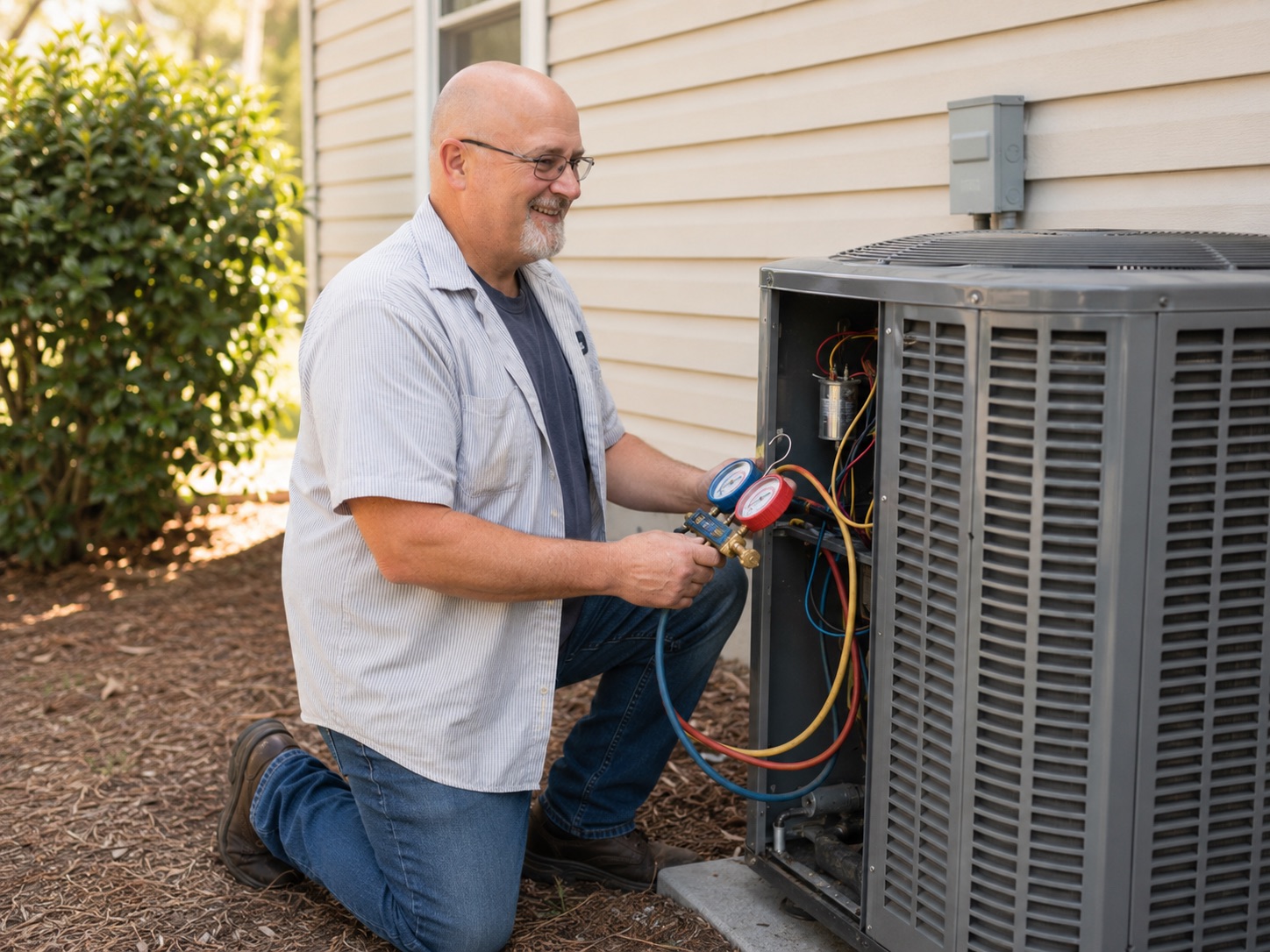
There’s nothing worse than the sound of silence when your AC should be running on a scorching Barnhart summer day—except for when it’s replaced by a sudden, strange new noise. If you've found yourself searching for "ac making noise Barnhart MO," you're in the right place. Those buzzing, clanking, or hissing sounds are your air conditioner's way of telling you something is wrong. As your local Jefferson County HVAC experts, Ricotta Heating & Air can help you translate those sounds into a clear diagnosis and a fast solution, getting your home comfortable again before the next heatwave hits.
Why is My AC Making a Buzzing Noise in Barnhart, MO?
A loud, persistent buzzing or humming sound is one of the most common complaints we hear from homeowners in Barnhart and across Jefferson County. This isn't the gentle hum of normal operation; it's an aggressive, electrical-sounding buzz that demands attention. More often than not, this points to an electrical component that is failing or struggling.
Common culprits for AC buzzing include:
- Contactor Relay: This is a switch that controls the flow of power to your outdoor unit. Over time, its contacts can become pitted or "welded" shut, causing a constant buzzing as it tries (and fails) to function correctly. This is a very frequent repair during our humid Missouri summers.
- Failing Capacitor: Your AC has run and start capacitors that act like temporary batteries to give the motors the jolt they need to start and run. When a capacitor is dying, it can't hold a proper charge, causing the motor to hum or buzz as it strains to turn over. You might notice the fan trying to start, struggling, and then stopping, all while buzzing loudly.
- Motor Issues: The fan motor or the compressor motor itself could be seizing up due to age or wear, creating a loud electrical hum. This is a more serious issue that can lead to a complete system failure.
What You Can Do: Before calling for help, you can perform one simple, safe check. Go to your home's electrical panel and reset the breaker for the 'Air Conditioner' or 'HVAC'. Sometimes a simple reset can resolve a temporary fault.
Safety First: Do not attempt to open the access panel on your outdoor unit. Capacitors can hold a powerful electrical charge even when the power is off, and messing with them is extremely dangerous. If resetting the breaker doesn't stop the buzzing, it's time to call a professional. This isn't a DIY fix. For a safe, professional air conditioning repair, give our team a call.
Diagnosing Clicking, Clanking, and Banging Sounds
Mechanical noises like clicking or clanking can range from a minor annoyance to a sign of imminent system failure. It's important to distinguish between the normal, soft click of the thermostat engaging and a loud, repetitive, or metallic sound.
If you hear a rapid, repeating clicking when the unit tries to start, it's often an electrical control failing—like the contactor or another relay switching on and off rapidly. This is a clear signal that something in the startup sequence is wrong and needs a technician's expertise.
A louder clanking or banging noise, especially one that sounds like metal hitting metal, is more alarming. This usually means something has come loose and is hitting another component. The most common cause is:
- Debris in the Condenser Fan: The fan in your outdoor unit can suck in twigs, leaves, or other small debris. When the blades spin, they hit this obstruction, causing a loud clattering or banging sound. This is very common after storms in the Barnhart area.
- Loose Fan Blade: The fan blade assembly itself could have worked its way loose on the motor shaft, causing it to wobble and strike the protective fan cage.
- Failing Compressor or Motor Mounts: The internal components of the compressor can break, or the motor mounts that secure it can fail, causing the entire assembly to shake violently inside its housing when it runs.
What You Can Do: Your first step should be a visual inspection. Go to your main breaker panel and turn off all power to the AC unit. Once you are 100% certain the power is off, look down through the top of the outdoor unit's fan grille. Do you see a stick or a clump of leaves? If you can safely reach it with pliers (never your hands!), you can try to remove it. If the noise persists after clearing debris and turning the power back on, the problem is internal and requires professional service. Contacting a Barnhart HVAC specialist is your best bet.
That Hissing Sound? It's Likely a Refrigerant Leak
A hissing or bubbling sound from your air conditioner is a major red flag. Unlike a buzz or a click, which could have several causes, hissing almost always points to one specific and serious problem: a refrigerant leak. Refrigerant is the lifeblood of your AC system, responsible for absorbing heat from inside your home and releasing it outside.
When you hear hissing, you're hearing the sound of refrigerant gas escaping from the copper lines. This could be a tiny pinhole leak or a crack at a connection point. You might hear it from the outdoor condenser unit, the indoor evaporator coil, or the copper lines themselves.
A refrigerant leak has several negative consequences:
- Poor Cooling: As refrigerant levels drop, your AC's ability to cool your Barnhart home plummets. It will run longer and struggle to keep up on 95°+ days.
- Frozen Coils: Low refrigerant causes a pressure drop inside the evaporator coil, which can make it get so cold that it freezes over, even in the middle of a Missouri summer. This blocks airflow and can cause water damage when it thaws.
- Compressor Damage: The compressor is designed to work with a specific charge of refrigerant. Running it on low levels forces it to work much harder, leading to overheating and eventually catastrophic failure—the most expensive repair in an AC system.
What You Can Do: Unfortunately, there are no safe DIY fixes for a refrigerant leak. Handling refrigerant requires EPA certification and specialized tools. If you hear a hissing sound, the best course of action is to turn your AC system off completely to prevent further damage to the compressor. Then, call a licensed technician immediately. We can locate the source of the leak, repair it, and then recharge the system to the manufacturer's exact specifications, ensuring your system runs efficiently and safely.
Squealing and Screeching: Belts and Bearings Under Duress
A high-pitched squeal or screech, especially one that starts when your system kicks on, typically originates from a motor. In most cases, the sound is coming from the blower motor inside your furnace or air handler—the unit that pushes the cool air through your ductwork.
This kind of noise is common in the older housing stock found across Jefferson County. The two primary suspects for a loud squeal are:
- Worn Bearings: The bearings inside the blower motor allow it to spin smoothly and quietly. Over thousands of hours of operation, these bearings wear out. The squealing you hear is the sound of metal grinding against metal as the motor shaft spins within the failing bearings. If left unaddressed, the motor will eventually seize up completely, leaving you with no airflow and a dead system.
- Worn Blower Belt (Older Systems): While most modern systems have direct-drive motors, many older furnaces and air handlers use a belt to connect the motor to the fan. Just like a belt in a car, this rubber belt can dry out, crack, and slip, causing a loud squeal when it starts up.
What You Can Do: The single most important piece of preventative maintenance you can do is to change your air filter regularly. A clogged filter restricts airflow, forcing the blower motor to work harder and accelerating wear on its bearings. This simple step can significantly extend the life of your motor. If changing the filter doesn't help the noise, the problem is mechanical and inside the unit. Due to the high-speed moving parts and electrical connections, this is not a homeowner repair. It's time to call in the professionals to diagnose whether it's the bearings or a belt and get it replaced before the motor fails entirely.
When AC Noises Mean It's Time for a Repair
While many sounds are cause for concern, it's also helpful to know what's normal. A modern air conditioner isn't silent, and some gentle operational noises are perfectly fine.
Normal AC Sounds:
- A soft click from your thermostat when it signals the system to turn on or off.
- A brief whoosh of air as the ductwork pressurizes when the blower starts.
- The low, steady hum of the condenser fan and compressor during a cooling cycle.
- Occasional dripping or gurgling sounds as condensate drains away, especially on humid Missouri days.
The difference is in the character of the sound. Normal noises are generally low-volume, consistent, and brief. The problem noises we've discussed—loud buzzing, clanking, hissing, or screeching—are typically loud, sudden, and distressing. They indicate a malfunction that is stressing your system, reducing its efficiency, and likely to get worse.
Don't let a small noise turn into a major, expensive breakdown in the middle of a heatwave. Ignoring a problem won't make it go away; it will just make the eventual repair more complicated and costly. If your air conditioner is making any sound that has you concerned, it's always better to be safe than sorry. A professional diagnosis can pinpoint the problem and give you peace of mind.
If you're dealing with an AC making noise in Barnhart, MO, don't wait for it to quit. For fast diagnostics and honest professional AC repair, call the family-owned team at Ricotta Heating & Air. You can reach us at (314) 333-5900 to schedule a service call.
Need help in Barnhart, MO?
Ricotta Heating & Air has been serving Jefferson County homeowners for 50+ years. Same-day AC service calls.
Frequently Asked Questions
Why did my AC suddenly start making a loud noise?+
A sudden loud noise often indicates a new mechanical failure. This could be anything from a piece of debris hitting the fan blades to a failing electrical component like a capacitor, or a severe issue with the compressor.
Can I still run my AC if it's making a noise?+
It's not recommended. Running an AC that's making unusual noises can turn a small, fixable problem into a major, expensive one. It's best to turn the system off and call for a professional diagnosis to prevent further damage.
How much does it cost to fix a noisy AC in Jefferson County?+
The cost varies widely depending on the cause. A simple fix like replacing a capacitor might cost a few hundred dollars, while a major repair like replacing a compressor or fan motor can cost much more. A diagnostic service call is the first step to getting an accurate estimate.
Is a buzzing sound from my AC an emergency?+
A loud electrical buzzing sound should be treated as urgent. It indicates a failing electrical part that could lead to a complete system breakdown or pose a safety risk. Turn the unit off at the breaker and call a technician.
Why is my AC unit outside making a noise but the fan isn't spinning?+
This classic symptom usually points to a bad start capacitor. The motor is receiving power and trying to start (the humming noise), but it doesn't have the electrical 'kick' from the capacitor to begin spinning. This is a common and relatively quick repair for a qualified technician.
Can a dirty filter cause my air conditioner to make noise?+
Yes, indirectly. A severely clogged filter can strain the indoor blower motor, causing it to hum loudly or squeal as its bearings wear out prematurely. Changing your filter regularly is one of the best ways to prevent these issues.