
Furnace Not Igniting? What to Check Before You Call for Help
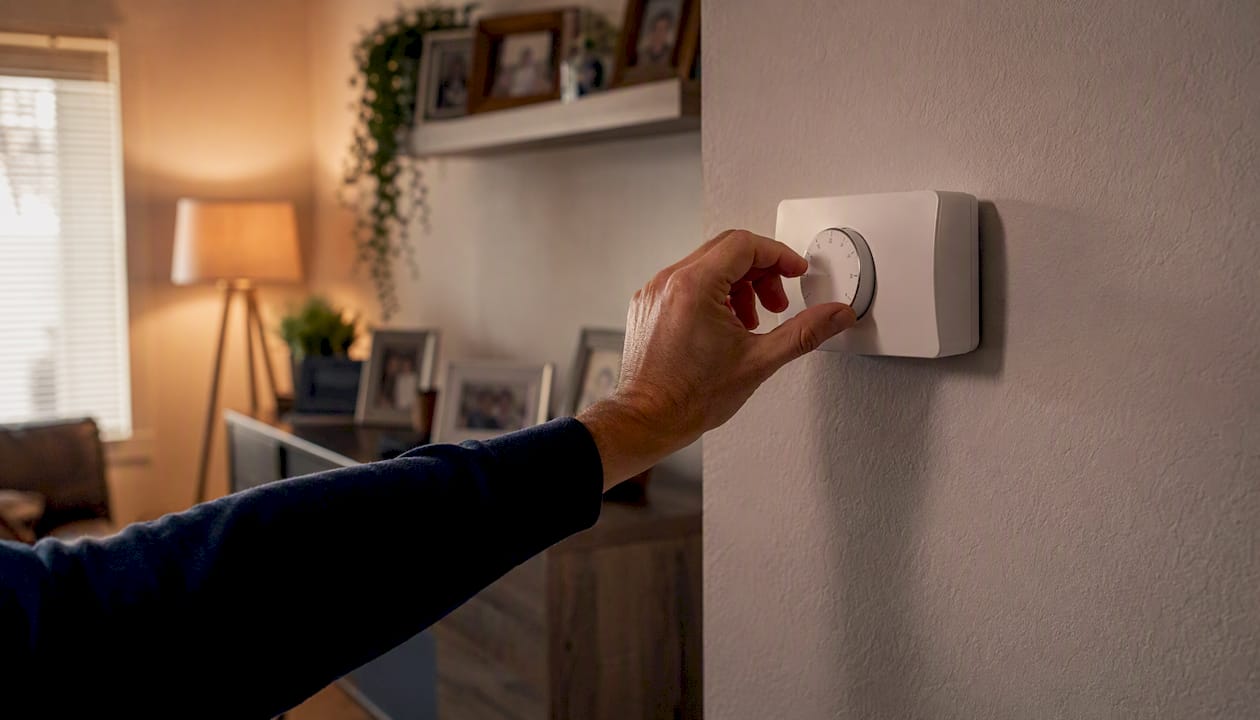
Check three things first: your thermostat settings, your furnace’s power switch and breaker, and your air filter. Those three cover the most common reasons a furnace won’t fire up, and you can rule them out in under ten minutes.
IMPORTANT: If you smell gas, hear hissing, or see soot around the furnace, do not flip any switches or try to relight anything. Leave the house and call your gas utility or 911 from outside.
If there’s no gas smell, work through this fast:
- Confirm the thermostat is set to “heat” and the batteries aren’t dead
- Check the furnace switch (looks like a light switch, usually near the unit) and your breaker panel
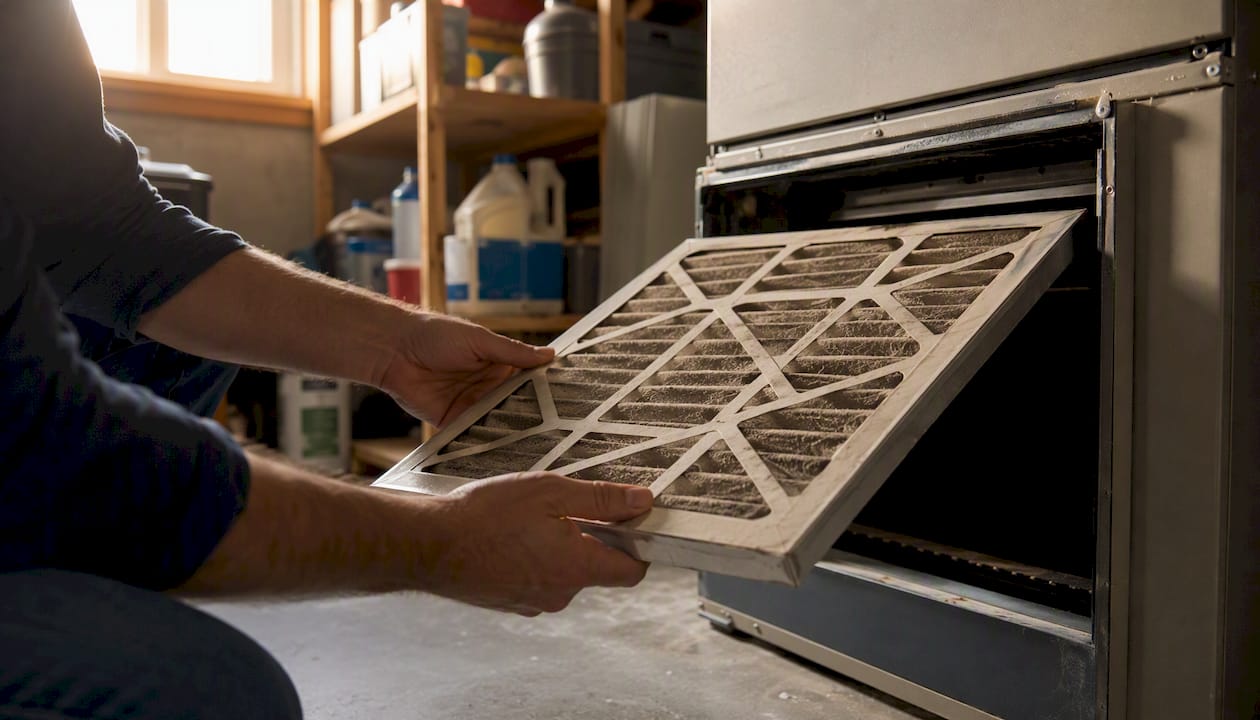
- Pull the air filter and hold it up to a light. Can’t see through it? Replace it.
Key Takeaways
A furnace that won’t ignite is usually a thermostat, power, filter, or flame sensor problem, and safe homeowner checks solve many cases without a service call.
| Point | Details |
|---|---|
| Start with the basics | Check thermostat mode and batteries, the furnace switch, breaker, and filter before anything else. |
| Respect safety lockouts | Repeated resets after a lockout can mask a real fault, don’t keep cycling the switch. |
| Flame sensor issues have a signature | Burners lighting briefly then shutting off points to a dirty or failing flame sensor. |
| Know your stop signs | Gas smell, soot, yellow flame, or repeated lockouts mean it’s time to call a licensed technician. |
| Maintenance prevents repeats | Regular filter changes and an annual tune-up cut down on future ignition failures. |
| Ricottaheatingandair offers fast, honest diagnostics | Emergency furnace repair and maintenance plans are available across St. Louis and Jefferson County. |
Table of Contents
- Furnace Not Igniting: Your First 10 Minutes of Checks
- What’s Actually Causing Your Furnace Not to Fire Up
- Safe Furnace Ignition Troubleshooting You Can Do Yourself
- Reading Your Furnace’s Blink Codes and Startup Clues
- When to Stop Troubleshooting and Call an HVAC Technician
- Keep Your Furnace From Doing This Again
- Get Your Heat Back On Tonight, Not Next Week
- Sources
Furnace Not Igniting: Your First 10 Minutes of Checks
You don’t need tools or HVAC experience for this part. You need patience and a flashlight.
- Check the thermostat (30 seconds). Set it to “heat” and drop the temperature five degrees below room temp to force a call for heat. Dead batteries are a sneaky, common culprit here.
- Check the furnace switch and breaker (1 minute). Furnaces have a dedicated wall switch that looks exactly like a light switch. It’s easy to bump off accidentally. While you’re there, check your electrical panel for a tripped breaker labeled “furnace” or “HVAC.”
- Inspect and replace the filter (5 minutes). A filter clogged with dust chokes airflow and trips the limit switch, a safety device that shuts down ignition to prevent overheating.
- Look at the gas shutoff valve (2 minutes). Find the valve on the gas line near the furnace. The handle should run parallel to the pipe when open. Perpendicular means it’s closed.
- Try one controlled power reset. Flip the furnace switch off, wait 30 seconds, then turn it back on.
Pro Tip: If the furnace tries to ignite, fails, and then locks out again after your reset, stop resetting it. Repeated resets don’t fix the underlying fault. They just delay a diagnosis and can mask an intermittent problem that gets worse over time.
A safety lockout after two or three failed attempts is the control board doing exactly what it’s designed to do: refusing to keep dumping gas into a burner that isn’t lighting. That’s not a glitch. That’s your furnace protecting your house.
What’s Actually Causing Your Furnace Not to Fire Up
Furnace ignition failure almost always traces back to one of eight causes, and each one tends to announce itself with a distinct symptom pattern.
- Thermostat problems. No response at all from the furnace, blank display, or a thermostat that won’t hold a setting.
- Power or circuit issues. Nothing happens when you set the thermostat to heat. No hum, no click, no fan.
- Clogged filter or a tripped limit switch. The blower runs, but you get no heat, or the furnace short cycles (turns on and off repeatedly).
- Gas supply interrupted or valve closed. You hear the inducer fan and igniter, but no flame ever catches.
- Failed igniter (hot surface or spark style). You hear clicking or see the igniter glow faintly, but it never gets hot enough or throws a spark to light the gas.
- Dirty or failing flame sensor. This one has a signature symptom: the burners light briefly, your lights sometimes flicker, then the flame cuts out within a few seconds. If burners light and immediately go out, a dirty flame sensor is one of the most frequent explanations because the control board shuts the gas valve the instant it can’t confirm a flame.
- Inducer motor, pressure switch, or vent blockage. The inducer fan runs (you’ll hear it), but ignition never starts because the pressure switch never closes.
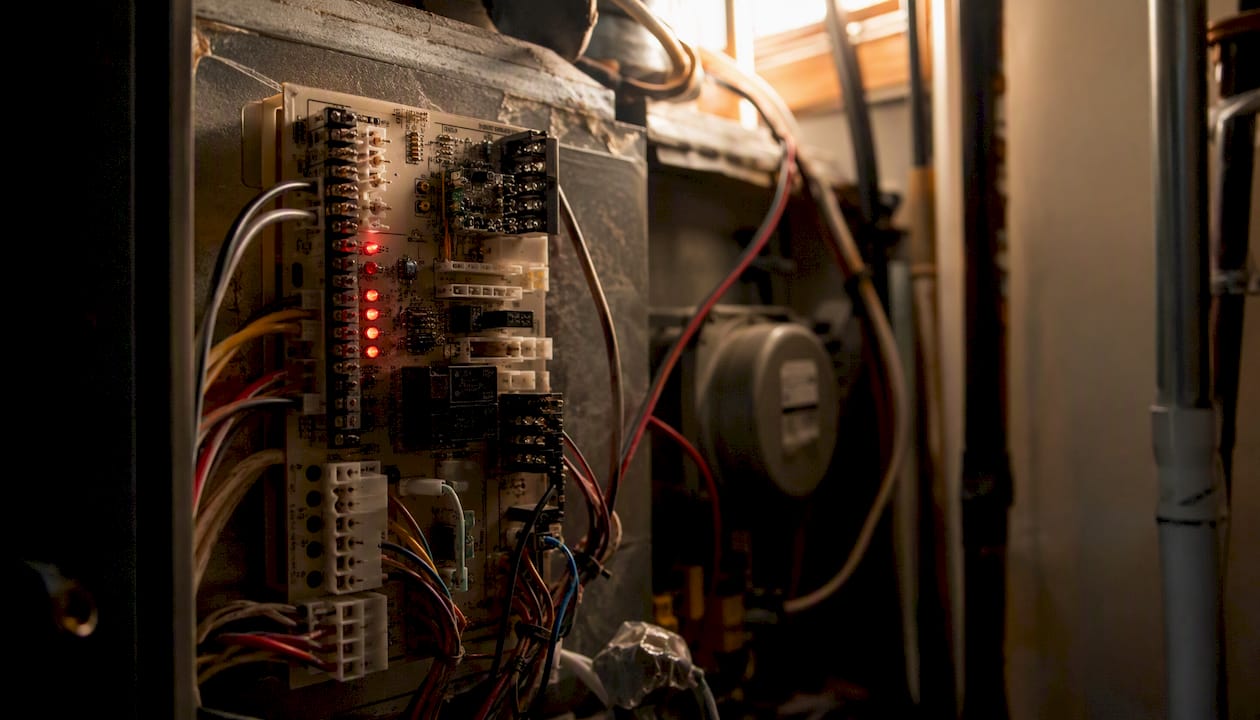
- Control board faults. Erratic behavior: no clear pattern, intermittent starts, or a blinking code with no obvious cause.
Pro Tip: A working igniter doesn’t guarantee a working furnace. Furnaces run a locked sequence: inducer fan, then pressure switch, then igniter, then gas valve, then flame sensor confirmation. A blocked vent pipe or a stuck pressure switch will stop ignition cold even when the igniter itself is perfectly fine. That’s why guessing at parts often wastes money. Diagnosing the whole sequence matters more than replacing the part you suspect.
Safe Furnace Ignition Troubleshooting You Can Do Yourself
Here’s your toolkit: a flashlight, a screwdriver, a spare filter, a soft cloth, and (only if you’re comfortable using one) a multimeter. That’s it. You don’t need anything more advanced, and reaching for more advanced tools usually means reaching past your safety line.
- Verify the thermostat call for heat. Confirm it’s set to heat, batteries are fresh, and the setpoint is above room temperature.
- Recheck the furnace switch and breaker. This gets missed constantly, especially in basements shared with laundry equipment where the switch looks like it belongs to something else.
- Replace the filter, even if it looks only moderately dirty. A restricted filter is like breathing through a pillow; the furnace works harder for less airflow, and manufacturers recommend swapping filters regularly to avoid airflow restrictions and limit-switch shutdowns.
- Watch the startup sequence through the inspection window, if your furnace has one. Note whether the inducer fan spins, whether the igniter glows or sparks, and whether you hear the gas valve click open.
- Do a single controlled power cycle. Off for 30 seconds, then back on. Watch closely rather than walking away.
If the flame sensor looks coated in a light gray or white film, you can clean it gently with a soft, non-abrasive pad. Do not scrub it like a dirty pan. Abrasive cleaning damages the sensor’s coating and can make the problem worse, not better.
Now, what to leave alone: never open a gas line yourself. Never operate the furnace if you smell gas. Never bypass a safety switch, even temporarily, “just to see if it starts.” And never keep resetting a furnace that locks out repeatedly. Repeated resets are the DIY equivalent of ignoring a check-engine light because the car still drives.
Reading Your Furnace’s Blink Codes and Startup Clues
Most furnaces have a small LED behind the front panel or visible through an inspection window. That blinking light is trying to tell you something specific, and writing down the exact pattern before you call for service saves real diagnostic time.
Here’s what common behavior patterns usually point to:
- Repeated clicking, no flame: the furnace is attempting ignition but failing to sustain it
- Flame lights, then shuts off in seconds: flame sensor issue
- Inducer runs, but nothing else happens: pressure switch or vent blockage
- No blower, no display, total silence: power or circuit problem
Pro Tip: Time the sequence with your phone. Note when the inducer starts, whether the igniter glows or sparks, when the gas valve clicks, and how long the flame lasts. That timeline is worth more to a technician than a guess at which part failed.
When to Stop Troubleshooting and Call an HVAC Technician
Some situations call for a licensed technician, full stop. Gas smell, visible soot, or a yellow (rather than blue) flame are immediate stop signs. So is a furnace that locks out repeatedly no matter how many times you reset it, a suspected igniter that’s visibly cracked or won’t glow at all, or a control board that behaves erratically.
- Gas odor, soot, or yellow flame color
- Repeated safety lockouts after a single reset attempt
- Suspected igniter, gas valve, or control board failure
- Pressure switch, inducer motor, or venting faults
- Breakers that trip again after being reset
A technician arriving for a furnace ignition failure typically checks gas pressure, tests control board outputs, measures flame sensor microamp readings, and inspects the inducer, pressure switch, and venting for blockage. A diagnostic visit usually runs 30 to 90 minutes, and straightforward repairs like an igniter or flame sensor replacement often wrap up in 1 to 2 hours once the part is on the truck. Costs vary by market and by what’s actually broken, so treat any number you see online as a rough range rather than a quote. Licensed techs also carry equipment like manometers and combustion analyzers that homeowners simply don’t have, and that gear matters for confirming a repair is both safe and code-compliant.
Keep Your Furnace From Doing This Again
A little routine maintenance heads off most ignition failures before they start. Swap filters every 1 to 3 months, more often if you have pets. Schedule a professional tune-up before winter arrives. Keep intake and exhaust vents clear of leaves, snow, and debris, and check that your thermostat batteries are fresh going into heating season. None of this takes long, and it’s far cheaper than an emergency call in January.
A Technician’s Take on Furnace Ignition Failures
Most ignition failures we see trace back to a step earlier in the sequence than homeowners expect. A safety lockout is your furnace protecting your home, not malfunctioning for no reason. We check the whole sequence before touching a single part, because guessing costs you money we’d rather you keep.
Get Your Heat Back On Tonight, Not Next Week
When your furnace won’t fire up in the middle of a cold snap, waiting days for an appointment isn’t really an option. Ricottaheatingandair runs emergency furnace repair with fast local response across St. Louis and Jefferson County, and every visit starts with an honest diagnostic, not a sales pitch for a system you don’t need.
Here’s what to expect when a technician shows up: a full safety check of your gas connections and combustion components, a walkthrough of the startup sequence to isolate the actual fault, and an upfront estimate before any repair begins. If your thermostat turns out to be the real problem rather than the furnace itself, we handle thermostat repair and replacement the same visit. Homeowners in Mehlville can request service through our Mehlville furnace repair page, and if you’d rather stop these emergencies from happening altogether, our maintenance plans include the annual tune-up that catches ignition problems before they leave you in the cold. Call today or book online, and let’s get your heat back before the temperature drops any further.
Sources
- Furnace not turning on — Bryant
- Furnace ignition failure: causes, diagnosis and fixes — PickComfort
- How to diagnose furnace ignition failure — Tamco Air
- Furnace won’t ignite? Ignitor, gas valve, and sensor issues — National HVAC Parts
Manuals and local codes always take priority over general troubleshooting guidance like this.