
Emergency AC Repair in Jefferson County, MO | Ricotta
Quick Summary
An AC breakdown needs urgent attention when it threatens someone's health, creates an electrical hazard, or causes water damage. Don't wait for the house to reach a certain temperature before taking action, especially if an infant, older adult, or someone with a medical condition is at risk. Burning smells, repeated breaker trips, and active water leaks are reasons to stop using the system and call for help.
- Call when you notice the problem and explain any immediate safety concerns.
- Never keep resetting a breaker that trips when the AC starts.
- Ask about the diagnostic fee and whether it applies toward an approved repair.
- Compare the repair estimate, system condition, and replacement options before deciding.
- If the home is dangerously hot, move to an air-conditioned location rather than waiting for service.
Table of Contents
- Emergency AC Repair: What Counts as an Emergency?
- Air Conditioner Not Cooling? What to Do While You Wait
- AC Repair Cost: What Affects the Bill?
- Why Technician Qualifications Matter for Emergency Service
- How to Compare Emergency HVAC Companies Nearby
- What Happens During an Emergency Repair Visit
- Keeping Vulnerable Occupants Safe in Extreme Heat
- Frequently Asked Questions
Emergency AC Repair: What Counts as an Emergency?
For homeowners in Hillsboro and throughout Jefferson County, an AC failure becomes an emergency when indoor heat puts someone at risk or the equipment threatens safety or property. A warm room is uncomfortable, but dangerous heat, electrical warning signs, and water damage need prompt attention.
Missouri's humid summers can make a home uncomfortable quickly when cooling stops. Pay attention to how people are feeling, not just the thermostat reading.
A system that stops on a mild day may be able to wait for a scheduled appointment, provided there are no safety concerns. If you're unsure, describe the symptoms when you call.
Signs You Should Stop Waiting and Call
- The house keeps getting hotter, with no safe way to cool down.
- An infant, older adult, or person with a medical condition is struggling with the heat.
- Water is leaking from the unit, or ceiling stains are appearing below it.
- The system smells like something is burning, makes harsh mechanical noises, or repeatedly trips a breaker.
Any one of these can warrant urgent action. If there is smoke or fire, leave the home and call 911. Don't wait for an HVAC visit.
Air Conditioner Not Cooling? What to Do While You Wait
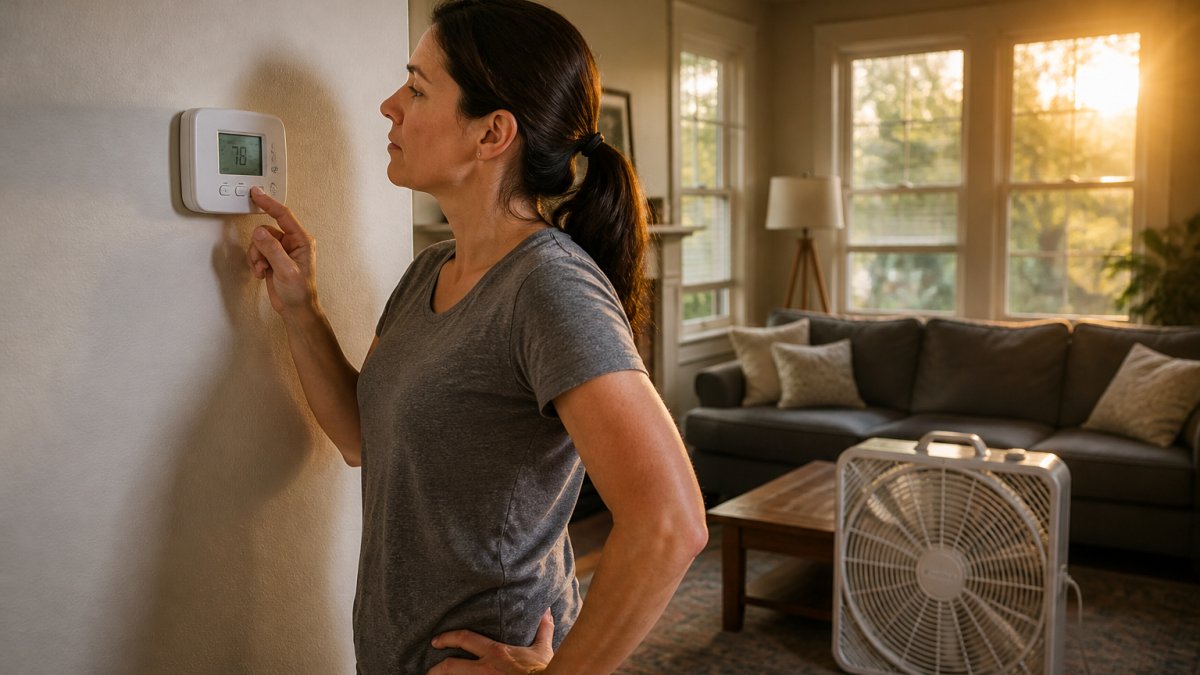
When the air conditioner is not cooling, close blinds on sunny windows and avoid using the oven or dryer. Check that the thermostat is set to cool and that its batteries, if used, are working. With the system off, check an easily accessible filter and replace it if needed. Don't open electrical panels or attempt refrigerant work.
Stop the system if it has ice buildup, unusual noises, a burning smell, or a water leak. Don't rely on fans alone in extreme heat; move to an air-conditioned location if the home isn't safe.
How Emergency Dispatch Works
When you call, be ready to give your address, describe what the system is doing, and explain whether anyone is at risk from the heat. Scheduling depends on several factors:
- Call volume. Hot weather and storm-related outages can increase demand. Ask about current availability.
- Safety concerns. Tell the dispatcher about vulnerable occupants, electrical symptoms, or active leaks. Ask how urgent calls are handled.
- Technician location and parts. Travel and parts availability affect scheduling and whether a repair can be completed during the first visit.
Calling promptly gives the company a chance to assess the situation, but it doesn't guarantee a particular arrival time.
What to Ask About an Arrival Window
Ask for the current arrival window and how you'll receive updates if it changes. An estimated arrival is not the same as a confirmed repair completion time.
Ask these questions when you call:
- What is the current wait for a home with no cooling?
- Does an after-hours or weekend charge apply?
- Will I receive a diagnosis and approve a written estimate before repairs begin?
After-Hours and Weekend Calls
An after-hours call may reach an answering service or an on-call technician. Confirm whether service is available, who will call you back, and what charges apply. Ask about the diagnostic fee before agreeing to a visit. If the situation can safely wait, ask how booking during regular hours would affect the charges.
Red Flags When Booking Service
- An arrival promise with no explanation of scheduling limits
- No clear plan for a callback or scheduling update
- A firm repair diagnosis or replacement recommendation without inspecting the equipment
AC Repair Cost: What Affects the Bill?
The failed component, equipment access, parts availability, and appointment timing all affect the repair estimate. Ask for a breakdown so you understand what you're approving.
The Three Parts of an Emergency Repair Bill
An emergency repair bill may include these charges:
- Diagnostic or trip fee. This covers the visit and troubleshooting. Ask whether it applies toward an approved repair.
- Parts and labor. These cover the materials and work needed to correct the problem. Equipment in a tight attic or crawl space may take more time to service.
- After-hours surcharge. Ask whether an additional charge applies at night, on weekends, or on holidays, and what it covers.
What Can Increase the Cost
- After-hours, weekend, or holiday service charges
- Refrigerant leaks that require locating and repairing before recharging
- Compressor or condenser fan motor replacement
What May Keep the Repair Simpler
- A problem limited to a failed capacitor, contactor, or thermostat
- A clogged filter or accessible condensate drain blockage rather than a major component failure
- Scheduling during standard hours when it is safe to wait
Questions to Ask Before Approving Work
- What is the diagnostic fee, and does it apply toward the repair?
- Are there any after-hours or additional labor charges?
- What does the written estimate include, and what could change it?
Get the scope of work and total estimate in writing before approving the repair. If something isn't clear, ask the technician to explain it.
Repair or Replace: How to Decide
No single cost rule fits every system. Compare the repair estimate with the equipment's age, condition, repair history, and ability to keep the home comfortable. Ask what the repair will correct and whether other known problems remain. If replacement is recommended, request a separate estimate and an explanation of why it makes sense.
Why Technician Qualifications Matter for Emergency Service
Choose a qualified HVAC contractor who meets applicable local licensing requirements and has the training needed for the work. A business license and refrigerant-handling credentials serve different purposes; ask what applies to your repair.
The EPA Section 608 technician certification requirements apply to technicians performing work that could release regulated refrigerants. This is not a task for a homeowner to attempt.
Electrical troubleshooting also requires proper training. A technician checking a failed contactor or repeated breaker trips may be working around high-voltage components.
Before booking, confirm that the company works on your equipment type and can handle the symptoms you've described.
How to Compare Emergency HVAC Companies Nearby
Compare availability, applicable licensing, diagnostic charges, and how each company explains repair options. Customer feedback can offer context, but it isn't a substitute for asking direct questions.
Use this checklist when you call:
- Can they confirm their current availability for a home without cooling?
- Will they explain the diagnostic fee and any after-hours charges before booking?
- Can they provide applicable licensing information for verification?
| What to Check | Why It Matters | Red Flag |
|---|---|---|
| Availability | Helps you plan while waiting | Vague promises with no scheduling updates |
| Applicable licensing | Helps you verify the contractor meets local requirements | Refusal to provide information you can verify |
| Diagnostic fee | Clarifies the charge for troubleshooting | Fee disclosed only after the visit |
| Repair or replacement advice | Helps you understand the options | Replacement pushed before diagnosis |
| Customer feedback | May reveal patterns in communication and service | Little specific information about the work performed |
Look for clear answers and a written estimate, not pressure to make an immediate purchase.
What Happens During an Emergency Repair Visit
The exact checks depend on the symptoms, but a repair visit generally follows this sequence:
- Intake. The technician reviews the symptoms and checks the thermostat settings and filter.
- Diagnosis. Electrical, airflow, and refrigerant checks are performed as needed to identify the fault.
- Explanation. The technician explains what failed, what is known about the cause, and the available options.
- Approval. You review the estimate and authorize the work.
- Repair. The fault is corrected if the required parts and conditions allow.
- Verification. The technician runs the system and checks its operation after the repair.
If replacement is recommended without an equipment assessment, ask for the reasoning before proceeding.
Keeping Vulnerable Occupants Safe in Extreme Heat
The CDC guidance on heat and health explains that infants, older adults, and people with certain medical conditions can be especially vulnerable to heat.
Move to an air-conditioned room or another cooled building. A basement may feel cooler, but that alone doesn't mean it is safe during prolonged heat.
If you cannot keep the home safely cool, go to a relative's home, a hotel, or an available cooling center. Don't wait for the service appointment if someone is struggling.
Confusion, fainting, or suspected heatstroke requires emergency medical help. Call 911 and begin cooling the person while waiting. An HVAC service call is not a substitute for medical care.
Frequently Asked Questions
How do I find emergency air conditioning repair near me?
Look for HVAC companies that serve your Jefferson County address, then call to confirm current emergency availability. Explain the symptoms and any safety concerns. Ask about applicable licensing, the diagnostic fee, after-hours charges, and scheduling updates before booking.
How much does emergency AC repair typically cost?
The estimate depends on the diagnosis, parts, equipment access, and appointment timing. After-hours charges may apply. Ask about the cost of the diagnostic visit before booking, then request a written repair estimate after the technician identifies the problem.
How quickly can an emergency HVAC technician arrive?
Availability depends on the company's schedule, technician location, weather, and current demand. Ask for an arrival estimate and how you'll receive updates. Don't assume emergency service means immediate arrival, and don't remain in dangerous heat while waiting.
What should I do if my AC stops working during a heat wave?
Close blinds on sunny windows and avoid appliances that add heat. Check the thermostat settings and an accessible filter if it is safe to do so. Call for service and explain whether anyone is vulnerable to heat. Move to an air-conditioned location if the house is unsafe; fans alone aren't enough in extreme heat. Call 911 for confusion, fainting, or suspected heatstroke.
Is it safe to run an AC unit that is making unusual noises?
Turn the system off if you hear grinding, screeching, or banging, and arrange an inspection. These noises can indicate loose or failing components, and continued operation may cause more damage. Don't remove covers or reach into the equipment. If there is smoke or fire, leave and call 911.
When your AC quits, start with safety, then get a clear diagnosis. Ricotta Heating & Air is a family-owned company serving Jefferson County and South St. Louis County. Contact us to discuss the problem, ask about current availability, or request an estimate.

This article was written with AI assistance and edited for Hillsboro and Jefferson County homeowners by Ricotta Heating & Air. For advice about your own system, call (314) 333-5900.