
AC Blowing Warm Air: Causes in Jefferson County, MO
Table of Contents
- Common Reasons Your AC Is Blowing Warm Air
- Dirty Air Filter Symptoms: When Airflow Is the Problem
- Frozen AC Coil: Why Ice Blocks Cooling
- Low Refrigerant Symptoms and What They Mean
- AC Running but Not Cooling: Mechanical and Electrical Causes
- When to Call an HVAC Technician for AC Blowing Warm Air
- Frequently Asked Questions
Common Reasons Your AC Is Blowing Warm Air
When your AC blows warm air during Missouri's humid summers, the house can get uncomfortable quickly. For homeowners in Hillsboro and throughout Jefferson County, the first step is to check the basics: thermostat settings, the air filter, and airflow around the outdoor unit.
Some problems are simple to correct. Others need a technician. Here's what you can safely check, what the symptoms might mean, and when to turn the system off.
Start With the Simple Checks
Before assuming a major part has failed, rule out a setting or airflow problem.
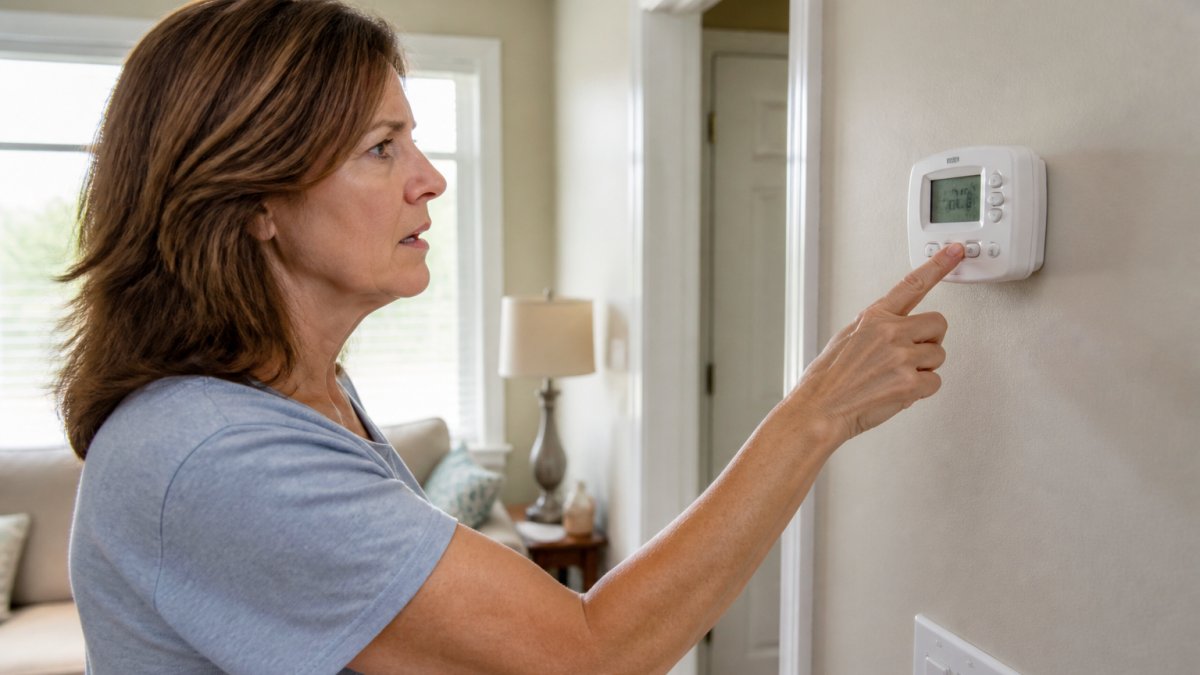
- Check the thermostat mode. Make sure it's set to "cool," not "heat" or "fan only." Set the fan to "auto."
- Check the set point. Set the temperature below the current room temperature, then allow any built-in startup delay to finish.
- Check the breaker. A tripped breaker can cut power to the outdoor unit. Leave it off if you notice heat, a burning smell, or other signs of an electrical problem.
- Look at the air filter. Turn the system off before removing a clogged filter for replacement.
- Observe the outdoor unit. Check whether it's running and whether debris is blocking airflow. Keep hands and tools away from the fan.
If your system is running but not cooling after these checks, it needs a closer look.
Dirty Air Filter Symptoms: When Airflow Is the Problem
A clogged air filter restricts airflow across the indoor evaporator coil. That reduces cooling and can cause the coil to freeze. You may notice weak airflow or air that doesn't feel cool enough.
Signs that airflow needs attention include:
- Weak airflow from the vents
- Warm or room-temperature air instead of cool air
- Longer cooling cycles than usual
- Visible dust buildup on the filter
- Ice on the indoor coil or refrigerant lines
With the system off, replace a dirty filter using the size and type recommended for your equipment. If there's no ice or other warning sign, restart the AC and check for improved cooling. Check the filter monthly during heavy use and follow the manufacturer's replacement guidance.
Frozen AC Coil: Why Ice Blocks Cooling
A frozen AC coil can't absorb heat properly. Ice also restricts airflow, so the system may run without cooling the house. A clogged filter, blocked return vent, blower problem, or low refrigerant can cause freezing.
Possible signs of a frozen coil include:
- Ice or frost on the indoor unit or refrigerant lines
- Water pooling near the indoor unit as ice melts
- Weak or warm airflow from the vents
- Cooling cycles that stop and start unexpectedly
If you spot ice, turn cooling off at the thermostat. If the blower works normally and there's no burning smell or water near electrical parts, fan-only mode can help thaw the coil. Never chip away the ice. Once it has thawed, check the filter and vents. Call a technician if you can't find an airflow restriction or the coil freezes again.
Low Refrigerant Symptoms and What They Mean
Low refrigerant often points to a leak, though an incorrect charge from earlier installation or service is another possibility. Refrigerant circulates in a sealed system; it isn't used up during normal operation. Adding more without finding the cause isn't a lasting repair.
These symptoms can indicate low refrigerant, but they can also have other causes:
- Warm air from the vents
- Hissing or bubbling near refrigerant components
- Ice on the coil or refrigerant lines
- Higher energy use
- Long cooling cycles without reaching the thermostat setting
A technician can measure system performance, check for leaks, and determine the proper repair and refrigerant charge. Leave this work to a professional with the required training and equipment.
AC Running but Not Cooling: Mechanical and Electrical Causes
The indoor fan can run even when the outdoor unit isn't removing heat. Possible causes include a failed capacitor, compressor trouble, a dirty condenser coil, or a loss of power. Note what the system does and when the air turns warm. Those details help a technician narrow down the problem.
Match the Symptom to the Possible Cause
- Air stays warm after the startup delay. Check the thermostat mode and observe the outdoor unit. A silent outdoor unit may have a power, control, or component problem.
- Air starts cool, then turns warm. The coil may be freezing, or the compressor may be shutting down. Check for a dirty filter and visible ice.
- Weak airflow and warm air occur together. Check the filter and return vents. A blower or duct problem is also possible.
- Airflow is strong, but the air isn't cool. The blower is moving air, but that doesn't confirm the rest of the system is working. Refrigerant, compressor, or outdoor-unit problems need testing.
- The outdoor unit hums but won't start. A capacitor or motor problem may be responsible. Turn the AC off rather than letting it keep trying to start.
The Parts, in Plain Terms
- Compressor. This pump circulates refrigerant. If it fails, the indoor fan may still blow air, but the system won't cool properly. A failed compressor calls for a careful repair-versus-replacement discussion.
- Capacitor. This electrical component helps certain motors start and run. A failed capacitor can keep the compressor or outdoor fan from operating. It can hold a dangerous electrical charge even with power off, so leave testing and replacement to a technician.
- Contactor and relay. These electrical switches control power to components. Worn contacts or control faults can leave the outdoor unit off while the indoor fan runs.
- Condenser coil. This outdoor coil releases heat. Grass clippings, cottonwood fluff, and other debris can restrict airflow and reduce cooling, especially on hot afternoons.
- Breaker or fuse. A tripped breaker or blown fuse can cut power to the outdoor unit. A trip may signal a fault, not just an inconvenience. Don't repeatedly reset a breaker or attempt fuse replacement yourself.
Quick Troubleshooting Table
| What You Notice | Possible Cause | Safe First Step |
|---|---|---|
| Warm air and weak airflow | Clogged filter or blocked return vent | Check the filter and vents |
| Cool air that turns warm | Frozen coil or compressor shutdown | Check for ice and turn cooling off if present |
| Silent outdoor unit | Power, capacitor, or contactor problem | Check thermostat settings and breaker status |
| Outdoor unit hums but won't start | Capacitor or motor problem | Turn the AC off and call a technician |
| Constant running without cooling | Compressor, condenser coil, or refrigerant problem | Check for visible airflow obstructions, then call a technician |
If the outdoor unit won't start after you've checked the thermostat and observed the breaker status, leave further testing to a technician. Don't remove electrical panels or reach inside the unit.
When to Call an HVAC Technician for AC Blowing Warm Air
If basic checks don't restore cooling in your Jefferson County home, it's time for a diagnosis. Some symptoms also mean you should shut the AC down before doing anything else.
Shut the System Off First
Turn the AC off at the thermostat if you notice any of the following. If there's smoke or an active fire, leave the home and call emergency services rather than approaching the equipment.
- A burning or sharp electrical smell. Overheated wiring or a failing motor may be responsible. Leave the system off and call for service.
- A tripped breaker. Leave it off if the cause is unknown, especially if it has tripped before.
- Ice on the indoor coil or refrigerant lines. Stop cooling and let the coil thaw. Use fan-only mode only if the blower operates normally and there are no electrical or water hazards.
- Persistent hissing, bubbling, or oily residue near refrigerant lines. These signs need professional inspection. Don't touch or attempt to repair a suspected leak.
- Water pooling around the indoor unit. A drain blockage or thawing coil may be responsible. Keep clear if water is near electrical components.
- An outdoor unit that hums but won't start. Leave it off until a technician checks the electrical and mechanical components.
What Is Safe to Check Yourself?
- Thermostat mode, fan setting, and set point
- Filter condition and replacement with the system off
- Return and supply vents for blockages
- Visible debris around the outdoor unit, without reaching inside
- Breaker status, without opening the electrical panel cover
Refrigerant work and testing capacitors, contactors, compressors, or control boards belong to a qualified HVAC technician.
Repair or Replace?
The right choice depends on the diagnosis, the equipment's condition, its repair history, and how well it meets your home's cooling needs. A repair may make sense for an otherwise sound system. Repeated breakdowns or a major component failure may make replacement worth discussing.
Ask for an explanation of the fault and written repair and replacement options. Compare the scope of the work, not just the bottom line, and ask what other condition issues could affect your decision.
Prevent Problems with Routine Maintenance
A regular maintenance schedule can help catch airflow, drainage, and electrical problems. Missouri's cold winters and humid summers put both heating and cooling equipment to work, so check system readiness before each season.
- Filter: Check monthly during heavy use. Replace it according to its condition and the equipment manufacturer's instructions.
- Outdoor coil: Keep nearby vegetation and loose debris clear. Follow the manufacturer's cleaning instructions, shut off power before cleaning, and avoid pressure washers.
- Condensate drain: Watch for leaks or slow drainage. Ask a technician to check the drain if you aren't familiar with its maintenance requirements.
- Professional tune-up: Arrange service before cooling season. A technician can inspect the coil, drain, electrical connections, and operating performance.
Ricotta Heating & Air is a family-owned HVAC company based in Hillsboro, MO. Contact us to discuss an AC problem or request an estimate.
Frequently Asked Questions
Can a dirty air filter make an AC blow warm air?
Yes. A clogged filter restricts airflow across the evaporator coil, reducing cooling and potentially causing ice to form. Check the filter with the system off and replace it if needed. If you see ice, leave cooling off until the coil has thawed completely. Call a technician if it freezes again.
Should I turn off the AC if it is blowing warm air?
Check the thermostat settings first. If the AC still blows warm air after its startup delay, turn cooling off and investigate the safe checks listed above. Shut it down right away if you see ice, smell burning, hear unusual noises, or notice water near electrical parts. Leave it off and call a technician if the cause isn't clear.
What is the 3-minute rule for air conditioners?
The term refers to waiting before restarting the compressor after it shuts off. Many systems include a built-in delay to protect the compressor, but the required wait varies by equipment. Follow your manufacturer's instructions and don't bypass the delay. Frequent short cycling needs diagnosis rather than repeated thermostat adjustments.
When should I call an HVAC technician for an AC blowing warm air?
Call if the thermostat settings are correct, the filter is clean, and the vents are clear but cooling hasn't returned. Ice, persistent hissing, breaker trips, burning smells, or an outdoor unit that won't start also need professional attention. These symptoms can have several causes, so testing is needed before choosing a repair.
Warm air from your vents may come from a simple setting or airflow issue, but it can also signal a problem that needs repair. Ricotta Heating & Air serves homeowners in Jefferson County and South St. Louis County. Contact us with the symptoms you've noticed so you can take the next step toward restoring cooling.
This article was written with AI assistance and edited for Hillsboro and Jefferson County homeowners by Ricotta Heating & Air. For advice about your own system, call (314) 333-5900.