
HVAC Repair Warning Signs for Jefferson County, MO
Table of Contents
- Common HVAC Repair Scams and Dishonest Tactics
- Red Flags in HVAC Repair Estimates
- Questions to Ask an HVAC Technician Before Approval
- How to Verify an HVAC Contractor's License and Credentials
- Getting a Second Opinion on an HVAC Diagnosis
- What to Do If You Suspect HVAC Fraud or Incomplete Work
- Frequently Asked Questions
Common HVAC Repair Scams and Dishonest Tactics
When the air conditioner quits during one of Missouri's humid summers, or the furnace stops during a cold winter, you want help fast. For homeowners in Hillsboro and across Jefferson County, that urgency can make a rushed repair decision tempting.
A clear diagnosis and a written explanation of your options help you separate a necessary repair from a sales pitch. A warning sign isn't proof of dishonesty, but it is a reason to ask questions.
Fear-Based Claims About Dangerous Equipment
A technician might report that your heat exchanger is cracked and dangerous. That can be a serious finding. The concern is pressure to buy immediately without an explanation or supporting evidence—not the safety warning itself.
Watch for these red flags:
- Claims of an immediate safety threat without an explanation of the findings
- Pressure to purchase replacement equipment the same day
- Vague descriptions of what's wrong
A technician should explain the issue, document what they found, and distinguish immediate safety steps from your purchasing decision. Keep equipment identified as unsafe turned off while you arrange repairs or a second opinion. If a carbon monoxide alarm sounds or you suspect exposure, leave the home and call emergency services from outside.
Unnecessary Replacements and Premature System Upgrades
Recommending replacement without checking whether a repair makes sense is another warning sign. Age alone doesn't tell you whether a furnace or air conditioner needs to go.
The recommendation should account for the equipment's condition, repair history, safety, and the problem at hand. Ask the technician to explain why repair is or isn't a reasonable option.
Red flags for unnecessary replacement recommendations:
- Pushing replacement before diagnosing the problem
- Calling your system outdated without explaining what that means for you
- Recommending a premium model without discussing a suitable repair
Suspiciously Low Prices and Pressure Tactics
A low advertised price isn't automatically dishonest. Still, ask what it includes and what could cost extra. Be cautious when an appealing offer turns into unexpected charges or pressure to approve unrelated work.
Red Flags in HVAC Repair Estimates
A written estimate helps Jefferson County homeowners compare the proposed work, charges, and terms before approving a repair. Make sure it explains how additional work will be handled and requires your approval before that work begins.
Getting an estimate in writing is only the first step. Check what it actually includes before you sign.
The Line-Item Checklist
An estimate should clearly describe the work, parts, charges, and terms. Look for these details:
- Diagnosis in plain language. Ask what failed and what tests support the diagnosis. Relevant measurements are more useful than a vague statement that the system needs work.
- Parts and labor. Ask which parts will be replaced, their identifying details where available, and whether labor is included. Some contractors use flat-rate pricing; the scope should still be clear.
- Diagnostic or trip fee. Confirm this before the visit and ask whether it will be credited toward an approved repair.
Red Flags Inside the Paperwork
- A lump-sum charge with no clear description of the included work.
- Changes to an estimate without your documented approval and a date.
- A same-day offer used to pressure you out of reviewing the terms.
Hidden Fees and Surprise Charges
Diagnostic, travel, after-hours, disposal, permit, and supply charges may be legitimate. The problem is discovering them only after the work is done. Ask the contractor to list applicable fees in the estimate and explain how any newly discovered work will be approved.
Questions to ask about fees:
- Is there a diagnostic fee, and how much is it?
- What is included in the service call charge?
- Are there extra fees for weekend or emergency service?
Review the Warranty Before You Pay
If a warranty is offered, read its terms before approving the work. Ask whether parts and labor are covered separately, how long each coverage lasts, what exclusions apply, and who handles a claim. Don't assume manufacturer coverage includes the contractor's labor. Ask about maintenance, registration, and transfer requirements, and keep the written terms.
Questions to Ask an HVAC Technician Before Approval
You don't need to know every furnace or air conditioner part to make an informed decision. Start with these questions:
- What exactly is wrong with my system? Can you show me?
- What are my options for fixing this problem?
- Can I get a second opinion before I decide?
| Question | Why It Matters | What to Listen For |
|---|---|---|
| What's actually wrong? | Clarifies the diagnosis | A specific explanation supported by findings |
| Why this repair? | Helps you evaluate the proposed work | Reasoning tied to the diagnosis and available options |
| How long might the repair last? | Helps you weigh repair against replacement | Realistic expectations with uncertainty explained |
| Is there a warranty? | Clarifies any coverage offered | Written terms for any parts and labor coverage |
| Can I get a second opinion? | Allows an independent assessment | Respect for your decision, with safety precautions explained |
How to Verify an HVAC Contractor's License and Credentials
Before hiring, check the contractor's qualifications and any required licensing. For a home in Hillsboro, MO, start with the building department responsible for your address. Ask which contractor requirements apply to the proposed work rather than assuming a statewide technician license covers it.
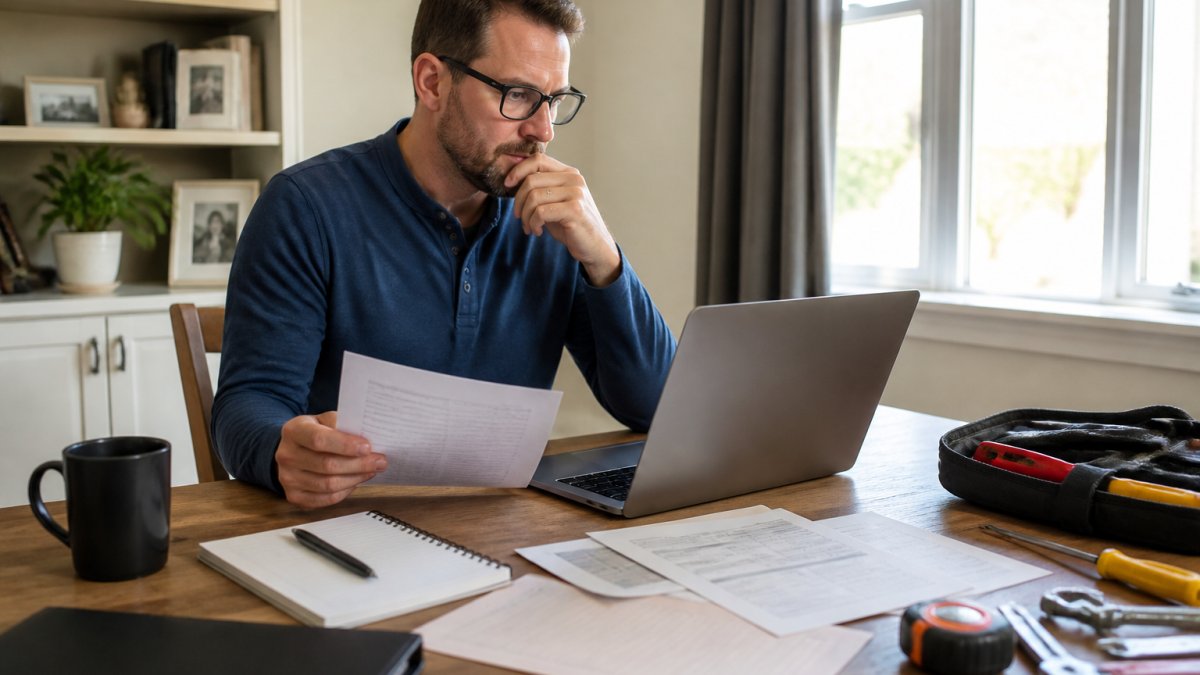
Requirements can depend on the location and scope of the job. Verify any claimed license or credential directly with the organization that issued it.
Steps to verify credentials:
- Ask for the contractor's legal business name and any applicable license or registration number.
- Contact the building department responsible for your address to confirm requirements.
- Check the contractor's information with the appropriate issuing authority.
- Confirm that any required license or registration is current and covers the work.
- Ask whether public complaint or disciplinary records are available.
Request proof of liability insurance and any required workers' compensation coverage, and confirm it with the insurance provider. If bonding or other credentials are claimed, verify those too. References can help, but they don't replace these checks.
Getting a Second Opinion on an HVAC Diagnosis
If a major repair or replacement recommendation isn't clear, an independent assessment can help. Ask about diagnostic charges before scheduling, and keep unsafe equipment off while you wait.
What to do:
- Call an HVAC company that isn't affiliated with the first contractor.
- Share the symptoms and the first technician's written findings.
- Ask for an independent diagnosis and written recommendations.
Different diagnoses don't automatically mean someone is dishonest. Intermittent problems, different testing conditions, or an incomplete inspection can produce different findings. Ask each technician to explain the evidence behind the recommendation.
If the explanations still conflict, a third assessment may help you decide what to do.
What to Do If You Suspect HVAC Fraud or Incomplete Work
If you suspect overcharging, deceptive sales, or unfinished work, start documenting the problem. These steps can help organize your response, but don't delay a safety call or miss a payment-dispute deadline while working through them. For legal questions, consult a qualified attorney.
Step 1: Save Your Records
Keep the paperwork and messages while the details are fresh.
- Save every estimate, invoice, change order, and receipt.
- Photograph the equipment and work area from a safe location. Don't remove panels or touch exposed components.
- Save texts, emails, and voicemails, along with dated call logs.
Step 2: Confirm Permits and Inspections
Permit and inspection records can help clarify whether required steps were completed.
For Jefferson County properties, contact the county or municipal building office responsible for your address. Ask whether the specific HVAC, gas, or electrical work required a permit and inspection.
- Ask whether a permit was issued for your address and the work performed.
- If a permit exists, ask whether required inspections were completed and passed.
- If a required permit is missing, ask how to bring the work into compliance.
- Request written permit and inspection information or a reference number for your records.
Missing permits can raise questions during an insurance claim or home sale. Ask the building office and your insurer how the situation may affect you.
Step 3: Request a Resolution in Writing
Send the contractor a dated email or letter explaining what was promised, what was delivered, and what you want corrected. Refer to the estimate or invoice, include relevant photos, and request a response by a reasonable date. Keep a copy and any reply. A clear written request gives the contractor an opportunity to resolve the issue and creates a record if further action is needed.
Step 4: Escalate Through the Right Channels
The right place to complain depends on the problem. More than one agency may be relevant.
- Applicable licensing or registration authority. If the contractor holds a required license or registration, ask the issuing authority about its complaint process and jurisdiction.
- Missouri Attorney General's consumer protection office. Ask how to submit a complaint about suspected deceptive business practices and what assistance may be available.
- Local building or code enforcement office. Contact this office about missing permits, inspections, or suspected code violations.
- Federal Trade Commission. Report suspected deceptive practices at ReportFraud.ftc.gov. Learn more about reporting to the FTC. The agency does not resolve individual disputes, but reports can support enforcement efforts.
Step 5: Dispute the Payment
If you paid by credit card, ask your issuer whether the unfinished or disputed work qualifies for a billing dispute. Eligibility and deadlines vary, so contact the issuer promptly.
- Ask your card issuer about its dispute process and required documentation.
- Provide the estimate, invoice, written request for a resolution, and any contractor response.
- Confirm the deadline and whether you must submit the dispute in writing.
- If you paid by check, ask your bank about available options. Before stopping payment or withholding funds, seek legal advice about possible contract and lien consequences.
Step 6: Understand Mechanic's Lien Risk
A payment dispute can raise mechanic's lien concerns. Whether a contractor, subcontractor, or supplier has lien rights depends on the work, notices, payments, and applicable law. Don't assume that paying the main contractor settles every possible claim.
- Ask about appropriate lien waivers or releases when arranging final payment.
- Don't ignore a lien notice; seek advice promptly about any deadlines.
- Consult a Missouri attorney who handles construction or real estate matters if a lien is filed or threatened.
Step 7: Consider Legal Action
Small claims court may be an option, depending on the amount and nature of the dispute. Check current court rules, filing requirements, and claim limits. For larger disputes, lien issues, or complicated contract and warranty questions, consult an attorney who handles construction or consumer matters.
Frequently Asked Questions
What are common signs of dishonest HVAC repair tactics?
Watch for pressure to buy immediately, vague diagnoses, unexplained charges, and refusal to provide a written scope of work. These are reasons to ask questions, not automatic proof of fraud. Take safety warnings seriously, request supporting findings, and consider an independent assessment before a major purchase.
How do I verify an HVAC contractor's license and insurance?
Ask the building department responsible for your address which licenses or registrations apply to the work. Verify the contractor's information directly with the issuing authority. Request a certificate of insurance and confirm liability coverage and any required workers' compensation coverage with the insurance provider.
What questions should I ask an HVAC technician before approving repairs?
Ask what failed, what tests support the diagnosis, and which repair or replacement options make sense. Confirm the included parts and labor, additional fees, expected schedule, permit requirements, and any warranty terms. Also ask whether the equipment is safe to operate while you decide. Get the proposed work and terms in writing before approving it.
How can I get a second opinion on an HVAC diagnosis?
Contact an independent HVAC contractor, confirm any diagnostic fee, and request an assessment with written findings. Share the symptoms and previous report. Compare the evidence behind each recommendation, not just the totals. If the findings differ, ask why; different diagnoses alone don't prove dishonesty. Keep equipment identified as unsafe turned off while you arrange the assessment.
Need help understanding a repair recommendation? Contact Ricotta Heating & Air to request an estimate and discuss your system's symptoms.
This article was written with AI assistance and edited for Hillsboro and Jefferson County homeowners by Ricotta Heating & Air. For advice about your own system, call (314) 333-5900.