
HVAC Repair vs. Replacement | Jefferson County, MO
Table of Contents
- How to Decide: HVAC Repair or Replacement
- System Age and Expected Lifespan
- HVAC Repair or Replacement Cost Comparison
- Why Repair-or-Replace Formulas Have Limits
- Signs Your HVAC System May Need Replacement
- Questions to Ask Before HVAC Replacement
- Replacement Incentives, Rebates, and Financing
- Frequently Asked Questions
How to Decide: HVAC Repair or Replacement
For homeowners in Hillsboro and throughout Jefferson County, choosing between HVAC repair and system replacement starts with three things: equipment age, repair cost, and performance. A diagnosis should come before a replacement recommendation.
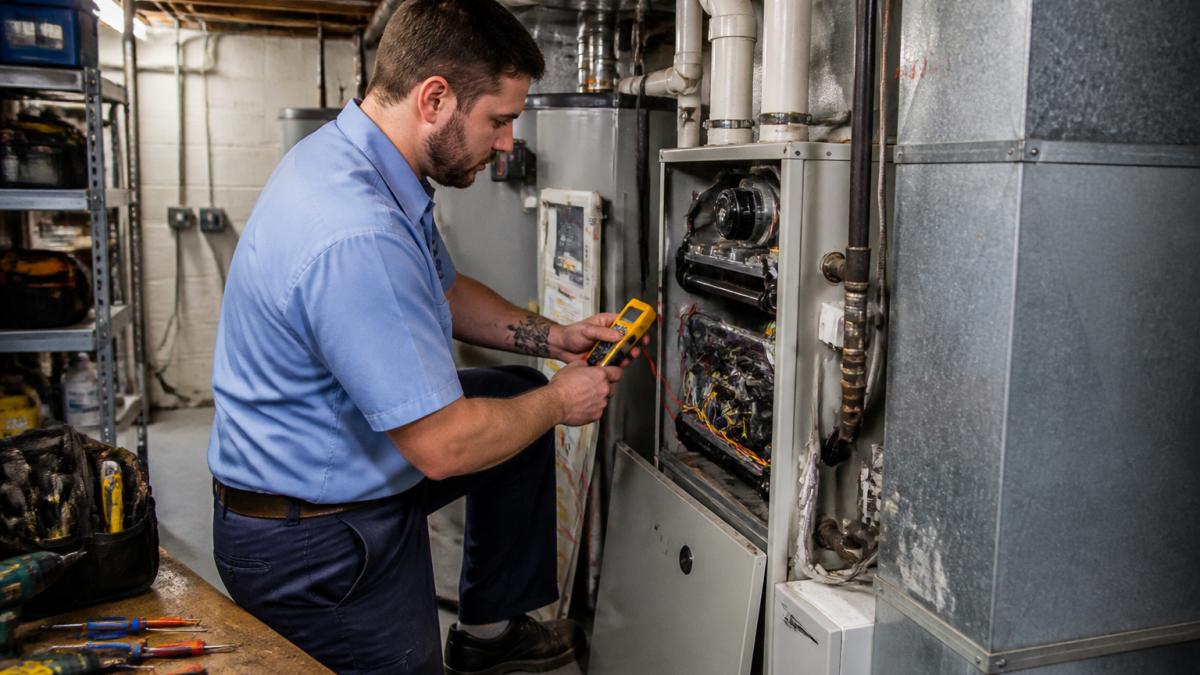
The cheaper option today isn't always the better long-term choice. But an older system doesn't automatically need to be replaced, either.
Three Factors to Consider
Start with age and condition. Maintenance history, installation quality, and equipment type all affect how long a system remains useful. General references such as this HVAC lifespan overview can provide background, but they can't tell you how much life your particular system has left.
Next, compare a written repair estimate with a complete replacement estimate. Online HVAC cost comparisons are no substitute for a quote based on your equipment and home. Ask what each option fixes and what problems could remain.
Finally, review repair frequency. An isolated part failure is different from repeated breakdowns. Have your technician explain whether those problems share an underlying cause or reflect wear across the system.
System Age and Expected Lifespan
Your HVAC system's age is useful context, not an expiration date. A well-maintained system may still be worth repairing, while equipment with major damage or unresolved operating problems may warrant replacement sooner.
Broad HVAC industry trends don't establish when an individual furnace or air conditioner needs replacement. Service records and an inspection are more useful for that decision.
Missouri's humid summers and cold winters put both cooling and heating equipment to work. Pay attention to how your system handles each season, including humidity control, room-to-room comfort, and unusual operating noises.
HVAC Repair or Replacement Cost Comparison
Compare more than today's invoices. Consider ongoing maintenance, potential repairs, energy use, and how well each option will meet your home's needs.
What a Repair Actually Costs
Repair costs depend on the diagnosis, equipment model, parts, and labor involved. These are the details to ask about:
| Repair Type | What to Confirm | What Affects the Cost |
|---|---|---|
| Capacitor or relay | Whether the failed part is the only problem | Part specifications, testing, and labor |
| Thermostat replacement | Compatibility with the heating and cooling equipment | Thermostat features, wiring, and setup |
| Blower motor | Motor condition and airflow problems | Motor type, controls, and accessibility |
| Igniter or flame sensor | Whether cleaning or replacement is appropriate | Diagnosis, part availability, and access |
| Refrigerant leak diagnosis and recharge | Where the leak is and how it will be repaired | Refrigerant type, leak location, and repair scope |
| Evaporator or condenser coil | Coil condition and replacement compatibility | Coil availability, access, and refrigerant work |
| Compressor | Why it failed and whether other components were affected | Compressor type, related repairs, and installation labor |
A failed capacitor on otherwise sound equipment may be a straightforward repair. A compressor replacement on an aging unit deserves a closer comparison with replacement.
What a Replacement Actually Costs
A replacement estimate should explain four main components:
- Equipment: The furnace, air conditioner, or heat pump, including model numbers and efficiency ratings.
- Labor: Removal, installation, startup, and testing.
- Materials: Required refrigerant lines, venting, pads, fittings, and other installation materials.
- Permits and disposal: Applicable permit requirements and removal of the old equipment.
Replacing equipment with a compatible system may be simpler than an installation requiring duct changes, new refrigerant lines, or electrical work. Make sure the quote covers the full job, not just the equipment.
What Changes the Price
For a Jefferson County home, equipment selection should account for both summer cooling and winter heating needs. A load calculation helps determine the right capacity; matching the old unit's size isn't enough.
Duct condition, return-air capacity, insulation, electrical service, and equipment access can all affect the work required. Ask about scheduling and any service charges rather than assuming a particular season will bring a lower price.
The Long-Term Ownership View
Think about what you'll own after the work is finished:
- Repair: The immediate problem is addressed, but the remaining equipment stays in place. Consider its condition and any unresolved comfort issues.
- Replacement: New equipment may offer efficiency or comfort improvements, but installation quality, sizing, and ongoing maintenance still matter.
| Decision Factor | Repair | Replacement |
|---|---|---|
| Upfront expense | Compare the complete repair estimate | Compare the complete installed estimate |
| System condition | May suit equipment with an isolated fault | Worth considering for extensive wear or major damage |
| Coverage terms | Ask what applies to the repair in writing | Request written equipment and labor coverage terms |
| Energy efficiency | May restore performance lost to a fault | Compare proposed efficiency ratings with existing equipment |
| Future repairs | Other existing components remain in service | New equipment still requires maintenance and can need repairs |
| Reliability | Depends on the diagnosis and overall condition | Depends on equipment selection, installation, and upkeep |
Ask whether another repair is a sensible way to keep useful equipment running or simply a short-term fix for a system with several problems.
Why Repair-or-Replace Formulas Have Limits
You may encounter rules that multiply equipment age by repair cost to recommend repair or replacement. That calculation leaves out too much to make the decision on its own.
It doesn't account for equipment condition, maintenance history, safety concerns, parts availability, or the actual replacement estimate.
It also can't predict remaining service life. An older system with a minor fault and an older system with extensive damage need different recommendations.
Use a diagnosis and written estimates instead of a fixed cutoff. Ask your technician to explain the trade-offs in plain language.
Signs Your HVAC System May Need Replacement
Age and cost aren't the only considerations. Persistent comfort problems, repeated breakdowns, and major component damage deserve a closer look.
Frequent breakdowns. Repeated service calls are a reason to review the whole system, not proof that every component is worn out. Your repair history can help identify whether the failures are related.
Recurring Repairs and Breakdown Frequency
If the same component keeps failing, ask why. Repeated motor or compressor failures can involve airflow, electrical, or refrigerant problems. Recurring leaks also need a diagnosis rather than repeated refrigerant top-offs.
A single unexpected breakdown doesn't establish that a system is unreliable. Still, if you're repeatedly losing heating or cooling, discuss both repair and replacement before the next period of extreme weather.
Energy Efficiency and Rising Utility Costs
Dirty coils, restricted airflow, duct leaks, and faulty components can increase energy use. Some of these problems can be corrected without replacing the equipment.
If bills rise, compare energy usage as well as utility rates and weather conditions. Higher SEER2 ratings indicate greater rated cooling efficiency, while AFUE describes furnace fuel efficiency. Neither rating alone tells you what your household will save.
Questions to Ask Before HVAC Replacement
Before committing to replacement, ask your technician these questions.
What condition will the system be in after this repair? Ask about remaining problems and signs of wear. No inspection can establish an exact remaining lifespan.
What efficiency ratings does the proposed equipment have? Ask how those ratings compare with your current equipment and what affects real-world energy use.
Are any incentives currently available for this installation? Confirm eligibility, deadlines, and equipment requirements before counting on them.
What coverage is included? Request written terms for parts and labor, including exclusions, registration requirements, and maintenance obligations.
Replacement Incentives, Rebates, and Financing
Check current program details before including incentives in your budget. Availability can depend on your installation date, equipment, address, and eligibility.
Federal Tax Credits
Don't assume a federal HVAC tax credit applies based on an older article or sales brochure. Tax laws and program deadlines can change.
Verify the rules for your installation date with the IRS or a qualified tax professional. Ask what documentation you would need and how any applicable credit would affect your tax return. A potential tax benefit is not an immediate invoice discount.
Utility and State Rebates
Check with the utility serving your Hillsboro address and review current Missouri program information. Eligibility may depend on the equipment, household, and application timing.
If a program is available, check its requirements for:
- Contractor qualifications or program participation
- Qualifying equipment models and efficiency ratings
- Proof of purchase, installation records, and application deadlines
- Preapproval before purchasing or installing equipment
Manufacturer Promotions
Ask whether any current manufacturer promotion applies to the proposed equipment. Get the eligibility rules, deadlines, and restrictions in writing, including whether it can be combined with other offers.
Financing Options
If financing is available, it can spread payments over time, but it may increase the total amount paid. Review the terms carefully:
- Promotional financing: Check when the promotional period ends and whether deferred interest applies.
- Installment loans: Compare the annual percentage rate, fees, repayment term, and total payments.
- Contractor payment arrangements: Ask whether an arrangement is available and request its written terms.
Compare the total financing cost, not just the monthly payment. Also check late-payment terms and any early-payoff restrictions.
How to Read a Quote
Ask whether the quoted total includes any assumed rebates or incentives. Identify which benefits require a separate application and who is responsible for submitting it. Confirm that permits, disposal, and necessary duct or electrical work are included.
Frequently Asked Questions
How do I know whether to repair or replace my HVAC system?
Consider equipment age and condition, the repair estimate, and the history of breakdowns. An isolated fault may be worth repairing. Major damage or repeated failures may make replacement more practical. Start with an inspection and compare written estimates.
Can an age-times-repair-cost formula tell me when to replace my HVAC system?
Not reliably. That formula leaves out equipment condition, safety, maintenance history, parts availability, and the actual replacement cost. Use a diagnosis and complete estimates rather than a fixed cutoff.
How old should an HVAC system be before it is replaced?
There isn't one replacement age that fits every system. Equipment type, installation, maintenance, and operating conditions all matter. Review age alongside repair history, safety, comfort, and the condition of major components.
Will replacing my HVAC system lower my energy bills?
It may, particularly when properly sized, higher-efficiency equipment replaces a less efficient system. Actual bills also depend on utility rates, weather, thermostat settings, insulation, and duct condition. Replacement alone doesn't guarantee lower bills.
What should I ask an HVAC contractor before replacing my system?
Ask about load calculations, duct condition, equipment options, efficiency ratings, installation timing, and written coverage terms. Request a complete cost breakdown, verify applicable licensing requirements, and ask whether any current incentives or financing options apply.
How much does HVAC repair cost compared with replacement?
A repair estimate depends on the failed component, diagnosis, parts, and labor. Replacement depends on the equipment and installation work your home needs. Compare complete written estimates and ask what each option addresses, rather than relying on a general price range.
This article was written with AI assistance and edited for Hillsboro and Jefferson County homeowners by Ricotta Heating & Air. For advice about your own system, call (314) 333-5900.