
HVAC Repair Overcharging: Signs in Jefferson County, MO
Quick Summary
For Jefferson County homeowners, HVAC repair overcharging can mean two different problems: an unfair bill or too much refrigerant in the system. Unexplained charges and pressure to approve work deserve a closer look. Poor cooling alone does not prove a refrigerant overcharge. Ask for a clear written estimate and the test results behind the diagnosis before approving repairs.
- Ask for an estimate that explains the parts, labor or flat-rate repair charges, and diagnostic fees.
- Ask how the technician verified the refrigerant charge and request the relevant readings in writing.
- Be cautious of anyone who pushes you to decide immediately or discourages a second opinion.
- If the system needs refrigerant again soon after a recharge, ask about checking for a leak.
- Ask to see the failed part and the test results supporting its replacement.
Table of Contents
- What Overcharging Means: Billing vs. Refrigerant
- Signs of Dishonest HVAC Repair Tactics
- Symptoms of an Overcharged Refrigerant System
- Questions to Ask an HVAC Technician Before Repair
- How to Evaluate HVAC Companies and Verify a Recommendation
- Booking a Second Opinion Before You Approve a Replacement
- Frequently Asked Questions
What Overcharging Means: Billing vs. Refrigerant
HVAC repair overcharging usually means one of two things. A billing overcharge may involve inflated labor hours, charges for work that was not done, or fees that were never disclosed. A refrigerant overcharge means the system contains more refrigerant than the manufacturer specifies. That can raise operating pressures and strain the compressor.
The distinction matters. A refrigerant overcharge requires a technician to test and correct the system. A billing dispute calls for a review of the estimate, approved work, and invoice. A parts markup or flat-rate repair price alone does not prove overcharging; service pricing includes more than the cost of the part.
Before a recharge: Ask how the technician will verify the charge using the manufacturer's procedure. Pressure readings alone are not enough; temperatures, airflow, and operating conditions may also need to be checked.
Signs of Dishonest HVAC Repair Tactics
The estimate and the explanation behind it can reveal concerns before work begins. In Hillsboro, a breakdown during Missouri's humid summers or cold winters can make a quick decision feel necessary. Even then, ask what needs attention now and why.
Unclear or Bundled Estimates
A written estimate should explain the repair, the parts involved, and any diagnostic or service fees. Some companies charge by the hour; others use flat-rate pricing. Either approach can be reasonable if you understand what is included and what could cost extra.
- Parts described too vaguely to identify what will be replaced
- Labor or flat-rate charges with no explanation of the work included
- Diagnostic fees that are not clearly disclosed
- Extra charges on the final invoice that you did not approve
High-Pressure Sales and Limited-Time Offers
A price that expires tonight is a sales deadline, not a technical diagnosis. Ask the technician to explain the consequences of waiting and whether the equipment is safe to operate. A genuine safety issue may require shutting the system down, but that does not mean you must approve a replacement on the spot. Be cautious if someone discourages a second opinion.
Symptoms of an Overcharged Refrigerant System
Too much refrigerant can cause poor cooling, elevated pressures, and compressor problems. The symptoms below warrant a service check, especially after refrigerant work, but none confirms an overcharge on its own:
- The system runs longer than usual without reaching the set temperature
- Cooling is weak or inconsistent across rooms
- The compressor makes unusual noises
- Ice forms on refrigerant lines or the indoor coil, which more often points to airflow problems or low refrigerant than an overcharge
- Electricity use rises without an obvious change in weather or household use
Refrigerant is not fuel that gets used up. A properly sealed system should not need a seasonal top-off. If it is low again soon after a recharge, ask about leak testing rather than simply adding more. Leave refrigerant testing and handling to a qualified technician.
Questions to Ask an HVAC Technician Before Repair
You do not need to know every HVAC term to ask useful questions. A clear explanation should connect the symptoms, test results, and proposed repair.
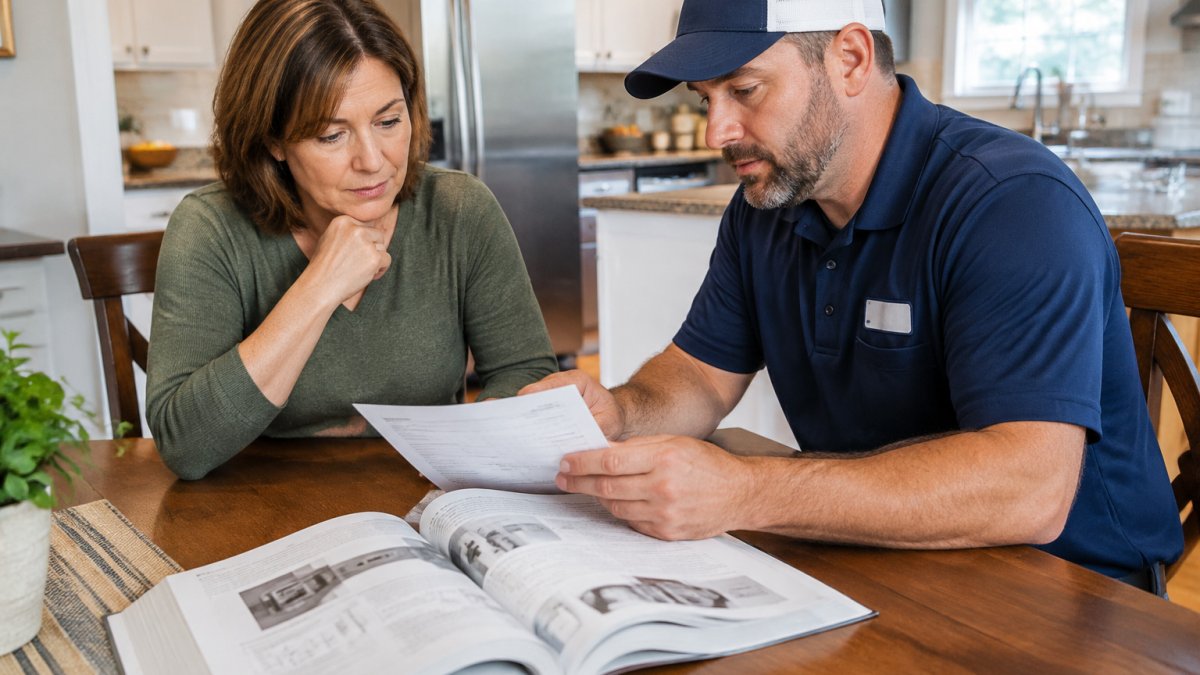
- What failed, and how did you confirm it?
- Does this repair need to happen now, and is the system safe to use?
- Can you show me the readings or test results behind your recommendation?
- Can you give me a written estimate explaining the charges?
- Are the proposed parts original equipment or compatible aftermarket replacements?
- Is any warranty included, and can I review its written terms?
How to Evaluate HVAC Companies and Verify a Recommendation
Check the company's credentials and ask for a documented diagnosis. You do not have to troubleshoot the equipment yourself. Your job is to understand what was found, what work is proposed, and what you are authorizing.
Verify the Company Before You Book
- Ask for proof of insurance and any contractor licenses required for your location.
- Check applicable licensing and permit requirements with your city or county building department. Missouri does not have a single statewide HVAC contractor licensing database.
- Read recent customer feedback for recurring concerns about billing, communication, or unfinished work rather than relying on one rating.
- Ask whether the technician is an employee or subcontractor and how the company's insurance applies to the work.
Verify the Diagnosis With a Homeowner Checklist
These checks can help you understand the work without opening equipment or touching electrical components. Let the technician handle testing and access to parts.
- Ask to see the failed part. The technician may be able to show it safely, provide a photo, or explain why it cannot be removed for inspection.
- Ask for the test results. For example, a capacitor reading can be compared with its rated value and tolerance. Other components may require several tests rather than one meter reading.
- Check the replacement part information. Ask the technician to confirm that the installed part matches the invoice and is suitable for your equipment.
- Photograph accessible areas before and after. Take pictures from a safe distance. Do not remove panels or touch wiring, refrigerant lines, or the electrical disconnect.
- Ask for an operating check. Have the technician demonstrate proper operation and explain the results. A home may need additional time to reach the thermostat setting after a breakdown.
- Ask about keeping the old part. Some parts must be returned for a warranty claim or core credit. If it cannot be left with you, ask for an explanation or photo.
Compare Estimates on Equal Terms
Make sure written estimates cover comparable work: compatible parts, installation requirements, labor, any coverage terms, and diagnostic fees. Hourly and flat-rate quotes may look different, so compare the total scope rather than labor hours alone. If one estimate is much higher or lower, ask what accounts for the difference.
Ricotta Heating & Air is a family-owned company based in Hillsboro, serving Jefferson County and South St. Louis County. When discussing a repair with our team, bring your estimate and ask about the findings behind each recommendation.
Booking a Second Opinion Before You Approve a Replacement
A second opinion can help you weigh a major repair or replacement. Ask about the visit charge before booking. Sharing the first report can make the comparison more useful, but the second technician may still need to perform an independent diagnosis.
When a Second Opinion Is Worth the Effort
Consider another opinion when a company recommends replacing the entire system, when a repair approaches the cost of replacement, or when the diagnosis changes without a clear explanation. It may be less useful for a straightforward repair supported by test results and a clear written estimate.
How to Get a Useful Second Opinion
- Request the first diagnostic report in writing. Ask for the readings, identified faults, part information, and recommended work.
- Tell the second company you have a diagnosis and estimate. Ask whether it can review the paperwork and what an on-site assessment will include and cost.
- Ask for an independent check of the findings. Share the original readings, but let the second technician determine which tests are needed. Weather and operating conditions can affect the results.
- Request a written second opinion. Ask what was found, what work is recommended, and why the conclusions agree or differ.
- Compare the findings side by side. Agreement can add confidence, but ask about repair options and the evidence behind a replacement recommendation.
Watch out: A replacement recommendation without an inspection or a clear technical explanation deserves more questions.
Your Consumer Protection Options if You Suspect Overcharging
If you believe an invoice includes unauthorized charges or unnecessary work, start with your records:
- Request an itemized invoice and compare it with the approved estimate.
- Explain the disputed charges to the company in writing. Keep the estimate, invoice, messages, and photos.
- Consider filing a consumer complaint with the Missouri Attorney General's Office. Contact the appropriate local building or licensing department about permit or licensing concerns.
- If you paid by credit card, ask the card issuer about dispute eligibility, deadlines, and required documentation.
- Ask a consumer protection office whether mediation or another dispute-resolution option is available.
If you are weighing a large repair quote, you can request a replacement estimate to compare your options. You can also review this homeowner's checklist of replacement signs before deciding.
Frequently Asked Questions
What are the signs that my HVAC system is overcharged?
A refrigerant overcharge can cause poor cooling, high operating pressures, and compressor problems. Long run times, unusual noises, or higher electricity use can have other causes, too. Ice is not reliable evidence of an overcharge. A qualified technician must check the charge using the manufacturer's procedure, which may include pressure, temperature, superheat, and subcooling measurements.
What are the common red flags of dishonest HVAC repair tactics?
Watch for unexplained fees, charges for work you did not approve, pressure to decide immediately, and reluctance to explain the diagnosis. Flat-rate pricing is not automatically a red flag, but the estimate should describe what is included. If a technician identifies a safety concern, ask what makes the equipment unsafe and whether it should remain off while you compare repair options.
How do I verify if an HVAC repair recommendation is legitimate?
Ask the technician to explain the fault and show the supporting test results or photos. Request a written estimate describing the work and charges. Ask about seeing the old part, understanding that some components must be returned. For a major repair or replacement, consider an independent assessment from another qualified company.
Need another look at a quote for your Jefferson County home? Learn about getting an HVAC second opinion from Ricotta Heating & Air. Ask what the visit includes and bring any estimates or diagnostic reports you already have.

This article was written with AI assistance and edited for Hillsboro and Jefferson County homeowners by Ricotta Heating & Air. For advice about your own system, call (314) 333-5900.