
HVAC Maintenance Guide for Jefferson County, MO Homes
Table of Contents
- Why HVAC Maintenance Matters for Jefferson County Homes
- HVAC Maintenance Plans: What's Included and How They Work
- HVAC Maintenance Costs and Budget Planning
- Seasonal HVAC Tune-Up Guide for Year-Round Comfort
- HVAC Maintenance Checklist: What Technicians Inspect
- DIY Tasks vs. Professional HVAC Maintenance
- How to Choose a Local HVAC Maintenance Provider
- Frequently Asked Questions
Why HVAC Maintenance Matters for Jefferson County Homes
Routine HVAC maintenance helps your heating and cooling equipment run efficiently and gives a technician a chance to spot safety concerns. For homeowners in Hillsboro, that means checking the air conditioner before hot weather arrives and getting the heating system ready before temperatures drop.
Waiting until something breaks can leave you without heating or cooling when you need it most. A tune-up won't prevent every failure, but it can uncover worn parts, restricted airflow, and drainage problems before they cause more trouble. For broader industry background, IBISWorld covers the U.S. heating and air-conditioning contractor industry. For your own maintenance decisions, focus on your equipment's condition and the services included.
HVAC Maintenance Plans: What's Included and How They Work
An HVAC maintenance plan is a service agreement for scheduled equipment care. Plans often include a cooling checkup in spring and a heating checkup in fall, but the schedule and covered work vary. During a visit, a technician may inspect components, clean accessible parts, check the filter, and explain any problems found.
Ask for a written list of covered services. Filter replacement, deeper cleaning, and repairs may be separate from the basic inspection and adjustments.
Preventive care can help both newer and older equipment operate reliably. A plan makes that care easier to schedule, but it does not guarantee lower bills or eliminate the need for repairs.
HVAC Maintenance Costs and Budget Planning
Maintenance costs depend on the equipment, its condition, access to the system, and the work included. Compare written estimates for the same services rather than choosing by the plan name alone.
Maintenance Costs and Plan Structures
Some agreements cover scheduled inspections and basic cleaning; others offer additional services. Ask whether diagnostic visits, replacement parts, labor, and after-hours service are billed separately. Don't assume a maintenance plan covers emergency repairs.
How to Compare Plans and Find Good Value
Ask what's included in each visit, what's excluded, and whether filters or cleaning supplies cost extra. Review renewal and cancellation terms. If repair discounts or emergency scheduling are advertised, ask for the details in writing and confirm any separate service fees.
System Age and Maintenance Decisions
Newer systems: Follow the manufacturer's maintenance instructions. Systems showing wear: Have a technician check developing problems and explain which repairs need attention. Older systems: Weigh the repair history, comfort problems, and overall condition before deciding how much work to approve. Age alone doesn't tell you whether replacement makes sense.
One-Time Tune-Up vs. Annual Plan: What to Compare
Compare the total plan cost with the cost of individual visits that cover the same work. Consider whether you'll use every included service and whether the agreement covers all your equipment. A plan may be convenient, while a one-time tune-up may better fit your current needs.
Budgeting for Your Home's Maintenance Needs
Homes with pets or dust: Inspect filters regularly and replace them according to their condition and the manufacturer's instructions. Older homes: Have accessible ductwork checked for leaks before paying for sealing. Homes with heavy cooling use: Ask whether coil inspection and condensate drain cleaning are included. Homes with smart thermostats: Include a check of settings and system operation.
Maintenance Records and Long-Term Tracking
Keep service reports, repair invoices, and notes about comfort problems. Repeated repairs or rising energy use deserve a closer look, though weather, utility rates, and thermostat settings can also affect bills. These records help a technician see recurring issues and help you compare repair and replacement options.
Seasonal HVAC Tune-Up Guide for Year-Round Comfort
Missouri's humid summers and cold winters put both sides of your HVAC system to work. Plan seasonal checkups before heavy use begins, and adjust the timing to the weather and your equipment's maintenance instructions.
Spring Cooling System Preparation (March–May)
Spring is a good time to prepare your air conditioner for cooling season. Depending on the equipment and service agreement, a tune-up may include:
- Condenser coil inspection and cleaning: Dirt and debris restrict heat transfer and make the system work harder.
- Refrigerant checks: A technician checks operating conditions and evaluates the charge when appropriate. Low refrigerant calls for investigating the cause, not simply adding more.
- Electrical connection and capacitor inspection: Loose connections, corrosion, and failing components can interrupt operation.
- Blower motor and fan inspection: The technician checks for buildup, unusual noise, and worn components that can affect airflow.
- Thermostat testing: Settings and operation are checked to confirm the system responds properly.
- Condensate drain inspection and cleaning: Keeping the drain clear helps prevent water from backing up.
- Air filter inspection: A dirty filter can restrict airflow. Confirm whether replacement is included.
Homeowner spring checklist: Remove loose debris around the outdoor unit and maintain the manufacturer's recommended clearance. Vacuum return air grilles, check thermostat batteries if applicable, and note unusual noises or weak airflow. Leave internal cleaning and electrical work to a technician.
Summer Maintenance and Monitoring (June–August)
During cooling season, pay attention to weak airflow and rooms that stay warmer than others. Watch for unexplained changes in energy use and listen for grinding, squealing, or rattling. Keep plants and loose debris away from the outdoor unit, and report water leaking around indoor equipment.
Fall Heating System Checkup (September–November)
A heating checkup should match your equipment. For a gas furnace, that may include inspecting the heat exchanger, checking gas connections and pressure, testing ignition, and checking venting and safety controls. Blower operation and filter condition also need attention. Condensing furnaces need condensate drainage checks; heat pumps need checks specific to their heating operation. Ask whether carbon monoxide alarm testing is included, and test your alarms yourself according to their instructions.
Homeowner fall checklist: Clear leaves from around outdoor equipment and vacuum return air grilles. To check heating operation, select heat mode and set the thermostat above the room temperature, allowing for the equipment's normal startup delay. Test carbon monoxide alarms and check their placement against the manufacturer's instructions. Report unusual sounds or persistent odors.
Winter Monitoring and Maintenance (December–February)
During heating season, keep supply and return vents clear and watch for frequent starts and stops or uneven heating. Keep snow from blocking outdoor heat-pump airflow and heating-system intake and exhaust openings, following the manufacturer's instructions. Don't chip ice off the equipment.
If you smell gas, leave the home immediately without operating switches or using a phone inside. Call your gas utility's emergency line or 911 from a safe location. If a carbon monoxide alarm sounds, get everyone outside and call 911. For a persistent electrical or burning smell, stop using the equipment if you can do so safely and arrange professional service; leave and call 911 if there is smoke or fire.
Maintenance Frequency by System Age and Condition
Follow the manufacturer's schedule regardless of equipment age. Cooling equipment generally needs attention before summer, and heating equipment before winter; heat pumps operate in both seasons. Older equipment or systems with recurring problems may need additional checks based on a technician's findings. After a repair, ask whether a follow-up is necessary. Check filters regularly, especially in homes with pets or dust, and keep a maintenance log.
HVAC Maintenance Checklist: What Technicians Inspect
| Component | What's Checked | Why It Matters |
|---|---|---|
| Air filters | Dirt, fit, and airflow restriction | Clogged filters restrict airflow and strain equipment. |
| Refrigerant charge | Operating conditions and charge, when appropriate | An incorrect charge can reduce performance and stress the compressor. |
| Electrical connections | Corrosion, loose terminals, and damaged wiring | Faulty connections can cause failures and safety hazards. |
| Condenser coil | Dirt, debris, and fin damage | Dirty coils reduce heat transfer and can increase energy use. |
| Blower motor | Noise, vibration, and operation | Blower problems can reduce airflow and heating or cooling performance. |
| Thermostat | Settings, accuracy, and system response | Control problems can cause unnecessary operation and uneven comfort. |
| Gas connections (furnace) | Leaks and secure fittings | Gas leaks are a serious safety risk. |
| Heat exchanger (furnace) | Cracks, corrosion, and other damage | Damage can create a risk of combustion gases entering the home's air. |
| Condensate drain | Blockages and drainage | Blocked drains can cause water damage and moisture problems. |
| Safety controls | Applicable controls, including flame rollout and limit switches | These controls help shut down equipment under unsafe conditions. |
A technician may also check airflow at registers and investigate rattling, grinding, or squealing. Ask for a service report that separates routine maintenance findings from recommended repairs.
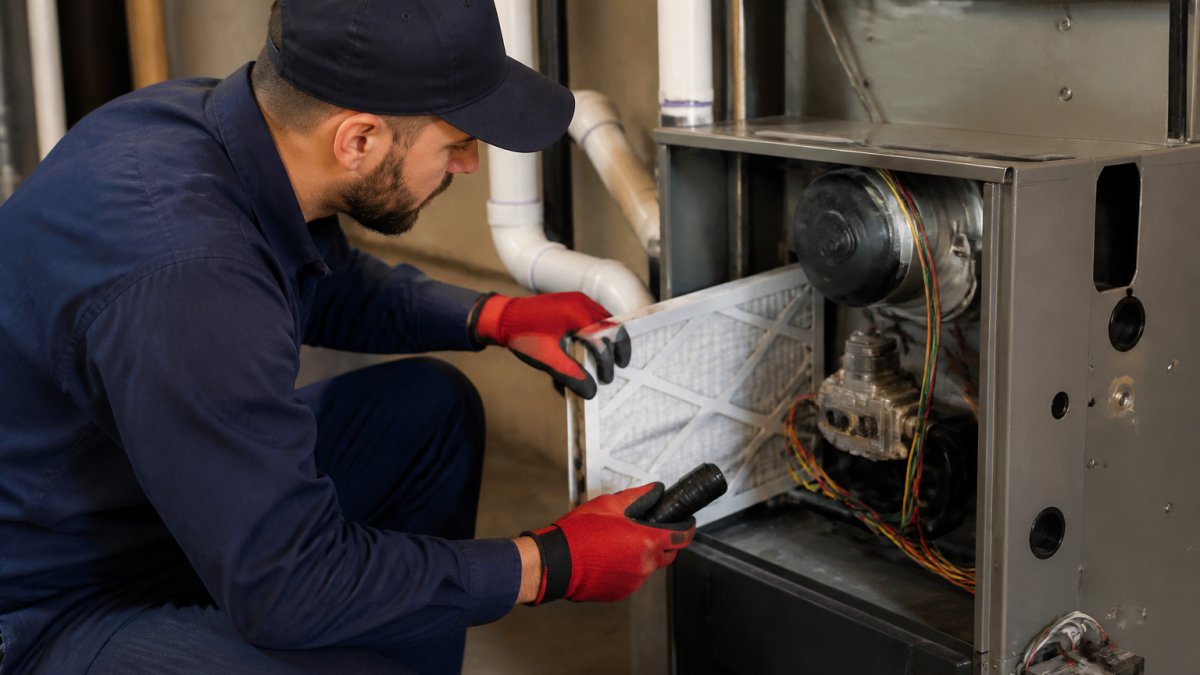
DIY Tasks vs. Professional HVAC Maintenance
Homeowners can usually handle: Replacing accessible filters, removing loose debris around outdoor equipment, keeping vents clear, checking thermostat settings, and vacuuming return air grilles. Follow the equipment instructions, shut the system off before changing filters, and stay out of electrical compartments.
Leave to a qualified technician: Refrigerant work, electrical testing, internal coil cleaning, compressor or motor repairs, duct sealing, and gas or combustion testing. Don't remove safety guards or bypass controls to investigate a problem.
How to Choose a Local HVAC Maintenance Provider
Look for a contractor who explains the condition of your equipment, answers questions directly, and gives you a written scope of work. Here's what to check before signing an agreement:
Check credentials and insurance. Confirm that the contractor meets applicable local licensing requirements and carries appropriate insurance. Ask who will perform the work and whether they have experience with your equipment.
Read customer reviews and ask for references. Look for consistent feedback about communication, explanations, and follow-through rather than relying on one review. If references are available, ask about the work performed and how the contractor handled questions or problems.
Request a detailed estimate. Ask how many visits are included, which equipment is covered, and what costs extra. Compare estimates for similar work. A lower-priced plan may leave out services you need.
Evaluate communication. Does the technician explain what was checked and what they found? Ask which repairs are urgent, which can wait, and why. You should understand the recommendation before approving the work.
Consider local experience. Ask whether the contractor has worked on homes and systems like yours. Older ductwork, additions, and equipment installed in tight spaces can affect both comfort and maintenance access.
Ask about service availability. Find out how the company handles urgent calls and after-hours requests. Confirm availability and any separate charges rather than assuming a maintenance agreement includes immediate service.
Regular maintenance gives you a clearer picture of your equipment's condition and can catch problems before the busiest heating and cooling months. Ricotta Heating & Air is a family-owned company serving Jefferson County and South St. Louis County. Schedule an estimate to discuss your home's needs, or learn more about choosing an HVAC contractor.
Frequently Asked Questions
How often should HVAC systems be serviced?
Plan for cooling maintenance before summer and heating maintenance before winter, following the manufacturer's instructions. Heat pumps work in both seasons. Equipment with recurring problems may need additional attention; ask your technician for a schedule based on its condition and use.
What does an HVAC maintenance plan typically include?
Plans often include scheduled inspections, basic cleaning, and operating checks. Coverage varies, so ask whether filter replacement, drain cleaning, and other work are included. Confirm any advertised scheduling benefits or repair discounts in the written agreement.
Can regular HVAC maintenance lower energy bills?
It can help if dirty filters, coils, or other maintenance problems are making the system work harder. Proper airflow and correct equipment operation support efficiency, but lower bills aren't guaranteed. Weather, utility rates, insulation, and thermostat settings also affect energy costs.
What's the difference between HVAC maintenance and repair?
Maintenance is routine care, such as inspections, cleaning, filter changes, and adjustments. Repair fixes a malfunction or failed component. A maintenance visit can reveal a needed repair, but that repair may require separate approval and billing.
This article was written with AI assistance and edited for Hillsboro and Jefferson County homeowners by Ricotta Heating & Air. For advice about your own system, call (314) 333-5900.