
St. Louis Homebuyers: Transfer Your HVAC Warranty Within 60–90 Days
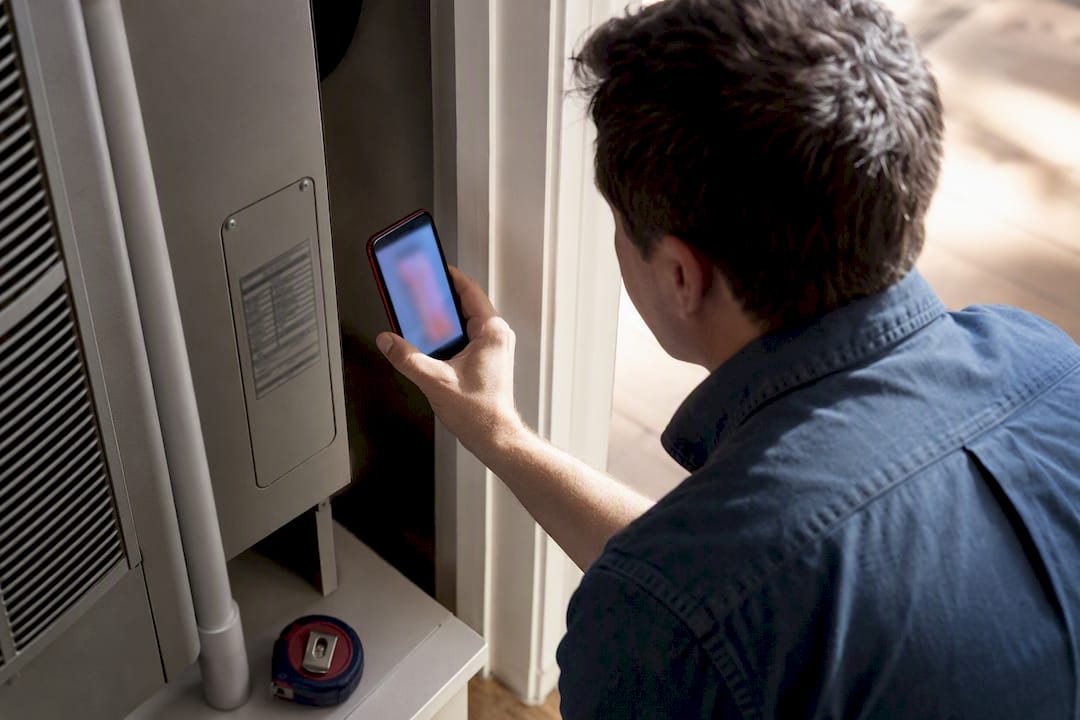
Most manufacturer warranties do not transfer automatically once you buy a house. The base parts warranty often does, but registered or extended coverage usually requires the new owner to act, and quickly. Pull the brand, model, and serial numbers off the equipment during your inspection period, then register the transfer within the manufacturer’s window, which is usually limited to a few months after closing. A handful of states, including Texas and Florida, override this rule and require automatic transfer at no cost.
TL;DR:
- Transfer of manufacturer warranties often requires timely registration within a few months of installation, especially for extended or labor-inclusive plans.
- Some states like Texas and Florida legally mandate automatic, fee-free transfer of HVAC warranties upon property transfer, but most others rely on manufacturer registration procedures.
- Major brands like Trane and American Standard tie extended coverage and transfer eligibility to serial numbers and registration records, not verbal seller assurances.
- Gathering HVAC serial numbers and verifying warranty status during inspection is crucial to avoid losing coverage before closing.
- Hiring a qualified HVAC professional can help confirm registration, inspect equipment, and handle transfer paperwork, especially when documentation is missing or confusing.
Table of Contents
- How does an HVAC warranty transfer work?
- Which state laws override manufacturer warranty rules?
- What do manufacturers like Trane and American Standard require?
- What’s the step-by-step checklist for transferring an HVAC warranty?
- What if the HVAC warranty won’t transfer?
- When should you call a qualified HVAC pro for warranty help?
- A local HVAC pro’s take on warranty transfers
- Get Help Registering and Inspecting Your HVAC System
- Where to verify your HVAC warranty transfer rules
- Sources
- FAQ
How does an HVAC warranty transfer work?
Every HVAC system carries a base limited warranty straight from the factory, often covering parts for multiple years regardless of who owns the house. That part is simple. The complication comes with registered or extended warranties, the kind that stretch parts coverage to 10 or 12 years and sometimes add labor protection. Those enhanced terms almost always belong to whoever registered the unit first, not automatically to whoever lives in the house next.
Registration typically has to happen within about two months of installation to unlock those extended benefits in the first place. If the original homeowner skipped that step, there may be nothing extra to transfer at all, no matter what the sales listing implied. This is one of the more frustrating surprises buyers run into: they assume “10-year warranty” language on a listing means the full term rides along with the house, when it may only apply if someone actually filed the paperwork.
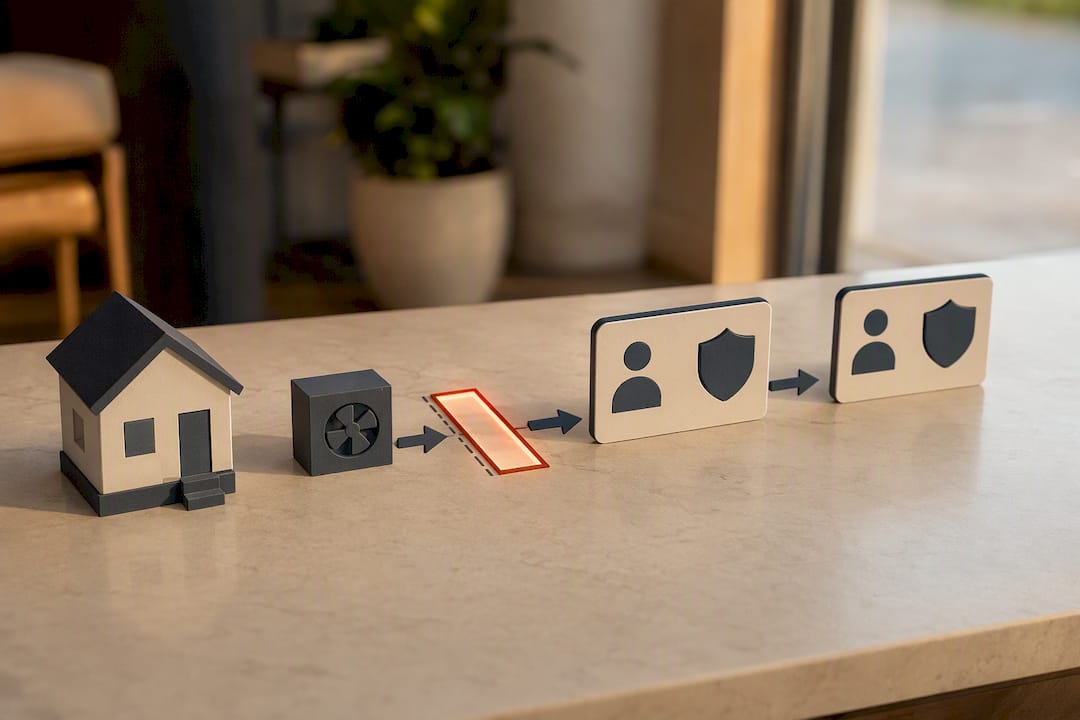
When a system does qualify for transfer, manufacturers generally set a window after the sale, usually a few months from closing, to file the new owner’s information. Miss that window and you can find yourself holding only the shorter base warranty even though the unit is only a few years old.
A few things to know about what actually moves with the transfer:
- Parts coverage on the compressor, coil, and other major components is the piece most often eligible for transfer.
- Labor warranties, when they exist, are frequently tied to the original installer or dealer and may not transfer at all.
- Extended or “lifetime” plans sold separately from the manufacturer’s standard coverage often have their own transfer rules, separate fees, and separate paperwork.
- Transfer fees vary by brand and are sometimes charged per unit, so a home with a furnace and an air conditioner could mean two separate fees.
None of this is exotic. It is just paperwork that has to happen on a clock, and most people don’t find out the clock is running until it has already stopped.
Which state laws override manufacturer warranty rules?
State law can beat the manufacturer’s own fine print, and two states illustrate this well. Texas requires that any manufacturer’s warranty still in effect on an HVAC system transfer automatically to the new owner. The Texas Business & Commerce Code Sec. 608.002 also bars the manufacturer from charging a transfer fee, though it does not add any extra time to the warranty’s original term.
Florida followed with similar protection. Under Florida Chapter 559.956, HVAC warranties on systems that convey with residential property after July 1, 2024, transfer automatically to the new owner, and the warrantor cannot charge for the privilege. The new owner is treated as if they were the original purchaser for coverage purposes, but the original warranty term is not extended.
If you’re outside Texas or Florida, don’t assume you’re out of luck; state consumer protection statutes change often, and more states are watching how these two laws play out.
Statutes to know:
- Texas Business & Commerce Code Sec. 608.002 (automatic transfer, no fee, term unchanged)
- Florida Chapter 559.956 (automatic transfer for post-July 2024 conveyances, no fee)
Quick check: Two states currently guarantee automatic, fee-free HVAC warranty transfer by statute. Everywhere else, the manufacturer’s own registration rules control what happens.
Check your own state’s consumer protection website or statute database before assuming either the manufacturer’s rules or these two examples apply to you. When the paperwork gets complicated or the property involves a larger transaction, a real-estate attorney can confirm how local law interacts with the manufacturer’s terms.
What do manufacturers like Trane and American Standard require?
Manufacturer policy is where most of the confusion lives, because “warranty” means different things depending on the brand and the specific product line.
Trane separates coverage into a Base Limited Warranty, which applies automatically, and a Registered Limited Warranty, which extends parts coverage but requires registration. Trane’s own warranty and registration pages describe transfer processes for Registered Limited Warranties and note that a transfer fee often applies, so budget for a modest cost rather than assuming it’s free.
American Standard follows a similar owner-linked model. Its guidance on warranty and registration makes clear that registered limited warranties are tied to the original registration record, and homeowners should confirm current status using the equipment’s model and serial numbers rather than relying on what the seller says verbally.
A few practical points apply across most major brands:
- Coverage terms differ by product line within the same manufacturer, so a furnace and a heat pump from the same company might have different transfer rules.
- Manufacturer portals let you look up warranty status directly using the serial number stamped on the equipment’s data plate.
- Always confirm details for the exact model you’re buying rather than assuming a general brand reputation covers your specific unit.
Ricotta Heating & Air services and installs several major HVAC brands, and checking the manufacturer’s portal is usually the fastest way to settle any uncertainty before you make an offer contingent on equipment condition.
What’s the step-by-step checklist for transferring an HVAC warranty?
Timing drives everything here. The best moment to gather information is before you own the house, not after.
- During the inspection period, ask the seller for the brand, model, and serial numbers of every HVAC unit, along with the original installation date.
- Request maintenance records and, if available, the original warranty registration confirmation or paperwork. Consumer protection guidance specifically recommends securing this during the inspection window, while you still have leverage.
- Verify current registration status yourself using the manufacturer’s online lookup tool rather than taking the listing’s word for it.
- After closing, submit the transfer request within the manufacturer’s stated window, generally 60 to 90 days, and pay any legitimate transfer fee directly through the official portal.
- Keep proof of the completed transfer, including confirmation emails and receipts, filed with your closing documents.
If the seller can’t locate the serial numbers, they’re usually printed on a metal data plate attached to the outdoor condenser and the indoor furnace or air handler. When that plate is missing or unreadable, the original installer often has the information on file, which is one more reason to ask for installer contact details before closing rather than scrambling afterward.
Pro Tip: Snap a photo of every data plate the day you tour the house, even before you make an offer. Sellers move, memories fade, and a clear photo saves you a frustrating call three months later when the transfer window is closing.
What if the HVAC warranty won’t transfer?
Sometimes the answer is simply no, the coverage stays with the original owner or expired before you closed. That’s not the end of the conversation.
Start by asking the seller directly. Some will agree to initiate the transfer themselves before closing if they’re still within the manufacturer’s window, since it costs them nothing but a little time. Others may be willing to credit you a set amount at closing to offset the lost coverage, particularly if the equipment is older or the seller knows the warranty lapsed.
If neither option works, you have reasonable fallbacks:
- Purchase a service agreement or home warranty product that covers HVAC repairs going forward.
- Ask the seller to include a short-term maintenance plan or home warranty as part of the deal.
- Budget realistically for likely repairs on equipment that’s out of manufacturer coverage.
Watch for red flags that suggest nontransferability should affect your offer: a system nearing the end of its typical service life, no maintenance records at all, or a seller who can’t produce any documentation whatsoever. Those situations often mean you’re buying blind, and the price should reflect that.
When should you call a qualified HVAC pro for warranty help?
Some of this you can handle with a phone or a laptop. Some of it genuinely benefits from a technician standing in front of the equipment.
A qualified HVAC professional can inspect the actual condition of the system, confirm the true installation date from physical evidence rather than paperwork alone, and verify registration status directly through manufacturer channels they use every day. When permitted by the manufacturer, a pro can also submit transfer paperwork on your behalf and recommend a maintenance plan that keeps you covered regardless of how the warranty situation shakes out.
An experienced local HVAC company in St. Louis County and Jefferson County is backed by positive customer reviews from homeowners who have been through this process.
Hiring a pro makes the most sense when:
- Ownership history is unclear or the equipment has changed hands more than once.
- Documentation is missing or the seller can’t produce serial numbers.
- The manufacturer’s portal is confusing or the model number doesn’t match what’s listed for sale.
A local HVAC pro’s take on warranty transfers
Here’s the honest pattern we see over and over: buyers get so focused on inspection reports and closing dates that warranty paperwork becomes an afterthought, and by the time they think about it, the manufacturer’s window has already closed.
My advice is simple. Treat serial numbers and registration status like you’d treat a roof age or a foundation crack, something you verify during due diligence, not after you have the keys. If anything is unclear, get a professional opinion before you sign, not three months later when a compressor fails. And once you do have documentation, file it with your closing papers so it’s not floating around in an email you’ll never find again.
— Alan Ricotta
Get Help Registering and Inspecting Your HVAC System
Chasing down serial numbers, manufacturer portals, and registration deadlines is a hassle most new homeowners don’t have time for while they’re also unpacking boxes. Local HVAC companies may offer equipment inspections, registration assistance, and ongoing maintenance plans for homeowners in the St. Louis County and Jefferson County area to clarify system coverage.
If you’ve just closed on a home in Hillsboro, Cedar Hill, Mehlville, or anywhere nearby and aren’t sure what warranty coverage came with your furnace or AC, our team can pull the model and serial numbers, check manufacturer status, and walk you through what’s protected. For systems with limited or expired coverage, our HVAC maintenance plans fill the labor and inspection gap so a surprise repair doesn’t become a surprise bill. Reach out and schedule an inspection before your transfer window closes.
Where to verify your HVAC warranty transfer rules
Before you rely on anything a listing agent or seller tells you, check the primary sources yourself.
- Manufacturer warranty and registration pages, such as Trane’s warranty tools and American Standard’s registration guidance, let you confirm status using your unit’s serial number.
- State statutes like Texas Sec. 608.002 and Florida Chapter 559.956 spell out automatic transfer rights where they apply.
- Consumer guidance pages, including ConsumerEd’s HVAC warranty explainer, outline what to request from a seller during inspection.
- Buyers assembling closing paperwork can also reference a general closing deal checklist or a home inspection checklist that flags HVAC documentation as a line item.
Save every confirmation email and receipt tied to your transfer request. That’s your proof if a dispute ever comes up.
Sources
- American Standard warranty & registration guidance
- Texas Business & Commerce Code Sec. 608.002 (transfer of manufacturer’s warranty)
- Florida Chapter 559.956 — Transfers of HVAC system manufacturer warranties
- ConsumerEd — Is HVAC warranty transferable?
- Trane warranty and registration pages
FAQ
Can I transfer my HVAC warranty to a new owner?
Often yes, but it usually requires action. Base parts warranties may transfer with minimal effort, while registered or extended coverage typically needs a formal transfer request within the manufacturer’s window, unless your state, like Texas or Florida, mandates automatic transfer.
What is the $5,000 rule for HVAC?
There’s no universal manufacturer or legal rule for HVAC warranties involving a $5,000 figure; this phrase is often confused with unrelated tax credit thresholds or financing terms. Check your specific manufacturer’s warranty documentation rather than relying on this figure.
Can you transfer a home warranty to a new owner?
A home warranty service contract is different from a manufacturer’s HVAC warranty and follows its own provider-specific transfer rules, which vary by company and plan. Contact the home warranty provider directly to confirm whether the existing contract can move with the sale.
Does a house warranty transfer to a new owner automatically?
Not automatically in most states, though Texas and Florida require automatic transfer of the HVAC manufacturer’s warranty specifically, without a fee. Elsewhere, the new owner generally needs to register or request the transfer directly with the manufacturer.