
HVAC Installation Cost Calculator Tips | Hillsboro, MO
Quick Summary
An HVAC installation cost calculator gives you a rough price range, not a binding bid. Equipment, sizing, ductwork, electrical needs, and financing terms can all change what you pay.
- Read the calculator's disclaimer and check what the estimate includes.
- Square footage alone is not enough to size an HVAC system.
- Get at least two written estimates that itemize equipment, labor, permits, and disposal.
- Deferred-interest plans may charge interest accrued during the promotional period if you miss the payoff deadline.
- Ask what happens after a late payment or an early payoff, and get the answers in writing.
Contact Ricotta Heating & Air about an HVAC replacement estimate for your Jefferson County home.
Table of Contents
- What an HVAC Installation Cost Calculator Can and Cannot Tell You
- Mistake 1: Trusting the Number Before Reading the Disclaimer
- Mistake 2: Sizing a System by Square Footage Alone
- Mistake 3: Overlooking What the Installation Requires
- Mistake 4: Forgetting to Include Financing Costs
- Mistake 5: Treating a Calculator Estimate as Your Only Bid
- Mistake 6: Missing the Deferred-Interest Fine Print
- Mistake 7: Not Asking About Late Payments or Early Payoff
- Frequently Asked Questions
What an HVAC Installation Cost Calculator Can and Cannot Tell You
An HVAC installation cost calculator estimates a price range using information such as system type, home size, and efficiency rating. It can help you start planning, but it cannot inspect your home.
Before relying on an online pricing resource, check whether it covers the equipment and installation work you actually need. A furnace replacement and a complete heating-and-cooling replacement are different jobs.
Here are seven mistakes to avoid when turning an online estimate into a replacement plan.
Mistake 1: Trusting the Number Before Reading the Disclaimer
Check the assumptions behind the result. Does it include labor, permits, removal of the old equipment, and any necessary upgrades? Is it a general estimate or a written offer for your home?
When reviewing an installation cost estimate page, look for notes about site conditions and optional work. An online tool cannot tell whether your electrical panel needs attention or your ducts need repair.
Why Published Price Ranges Differ
Different sources may measure different things. An online cost resource, a homeowner survey, and a regional HVAC cost study may use different equipment, locations, and definitions of installation work.
Check what each source includes before comparing its figures. None replaces a look at your existing system and the space around it.
Mistake 2: Sizing a System by Square Footage Alone
Square footage is useful, but it is not enough. A proper load calculation considers insulation, windows, ceiling height, air leakage, and local design temperatures. Ductwork also needs to support the required airflow.
For a home in Hillsboro, Missouri's humid summers and cold winters make both cooling and heating needs worth checking carefully. Simply matching the old unit's size can repeat an existing sizing problem.
If a calculator asks only for floor area, treat the answer as a rough starting point. Learn more about air conditioning installation and replacement and ask how the proposed system will be sized.
Mistake 3: Overlooking What the Installation Requires
Equipment type, efficiency, capacity, and installation conditions all affect the estimate. General HVAC replacement cost guidance can explain these factors, but a technician needs to check which ones apply to your home.
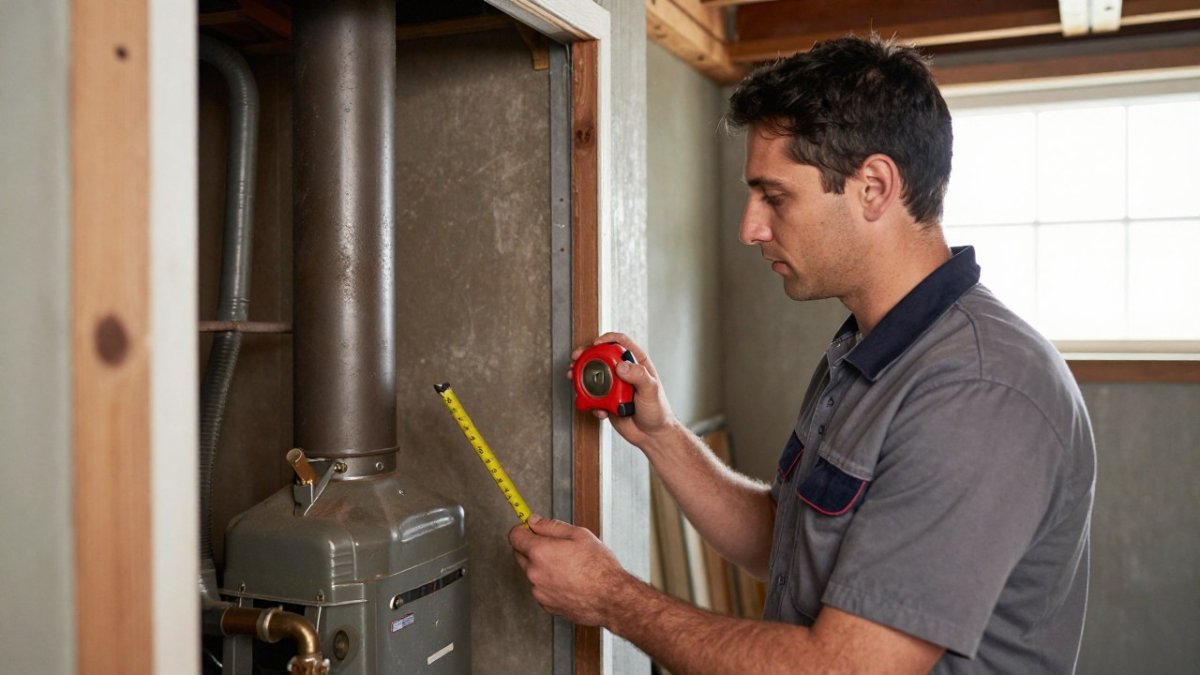
Equipment, Efficiency, and Hidden Installation Work
Two systems with the same cooling capacity can have different efficiency ratings and installation requirements. Duct modifications, electrical upgrades, refrigerant line replacement, drainage, and venting can also affect the scope.
If you are considering a different system type, explore heat pump installation. For an addition or a home without ducts, ductless mini-split installation may be worth discussing. Neither choice should be based on a calculator result alone.
Mistake 4: Forgetting to Include Financing Costs
A manageable monthly payment does not necessarily mean a lower total cost. Depending on the lender, options may include personal loans, home equity loans, home equity lines of credit (HELOCs), or financing arranged through a contractor.
Start with the same installation scope and cash price. Then compare the annual percentage rate (APR), repayment term, fees, and total payments. The table below lists what to check rather than assuming rates or payments you may not qualify for.
| Financing route | APR to verify | Term to verify | Monthly payment | Total repaid | Finance charges |
|---|---|---|---|---|---|
| Unsecured personal loan | Quoted APR and whether it is fixed | Full repayment period | Use the lender's written schedule | Compare all scheduled payments and fees | Check interest and origination fees |
| Personal loan with a longer term | APR for the longer-term offer | Compare with the shorter option | May be lower over a longer term | May be higher despite a lower payment | Check the added interest over time |
| HELOC | Introductory and ongoing rates; fixed or variable | Draw and repayment periods | Check how payments can change | Depends on borrowing and rate changes | Check interest, closing costs, and other fees |
| Deferred-interest plan paid off on time | Promotional terms and standard APR | Exact promotional deadline | Minimum payments may not clear the balance in time | Confirm the payoff amount and any fees | Interest may be waived if all terms are met |
| Deferred-interest plan with a balance after the deadline | Standard APR and interest calculation method | Promotional deadline and remaining repayment period | Ask how the payment changes | Includes applicable accrued interest and fees | Accrued promotional interest may become payable |
Compare both the monthly payment and total repayment. A longer term can make the monthly bill easier to manage while increasing the total interest paid.
The Terms That Change the Total
Verify these details in writing:
- APR and promotional terms. Ask what rate applies after any introductory period and whether it can change.
- Term length. Compare the full repayment schedule, not just the first payment.
- Origination and closing fees. Include upfront fees when comparing offers, even if they are not part of the monthly payment.
A promotional payment amount is not a payoff plan. Confirm whether making only the minimum payment will leave a balance at the deadline.
How to Compare Financing Offers
- Get the installation cash price in writing, and ask whether financing changes that price.
- Request the APR, term, fees, and fixed- or variable-rate terms from at least two lenders.
- Compare offers using the same amount borrowed. Include all payments and fees.
- Ask how late payments and early payoff affect the balance.
- For a promotional offer, ask the lender to show what you would owe if you missed the payoff deadline. Compare that risk with a standard loan.
The installation estimate shows the project cost. The financing agreement shows the borrowing cost. Ongoing maintenance and energy use are separate expenses.
Mistake 5: Treating a Calculator Estimate as Your Only Bid
Get at least two written installation estimates. Each should identify the equipment, labor, permits, disposal, and any ductwork or electrical changes. Make sure the scope is similar before comparing totals.
Do not accept a bid just because it matches an online range. For your Jefferson County home, request an HVAC replacement estimate based on the equipment and work your house needs.
Mistake 6: Missing the Deferred-Interest Fine Print
Deferred interest is different from a true no-interest offer. If a promotional balance is not paid in full by the deadline, you may owe interest that accrued during the promotional period—not just interest on the balance left afterward. The agreement determines how that interest is calculated.
How Deferred Interest Works
A deferred-interest plan generally works this way:
- The lender sets a promotional period with a payoff deadline and required minimum payments.
- Interest accrues during that period under the agreement's terms, even though it is not yet charged to the account.
- The accrued interest is waived if you pay the promotional balance in full by the deadline and meet the other requirements.
- If a balance remains, the lender may add the accrued interest. Interest can also continue on the unpaid balance.
Even a small remaining balance can trigger an interest charge. Ask the lender how payments reduce the balance used to calculate interest and how payments are allocated if the account has other purchases.
What Can End the Promotion
Late or missed payments can lead to fees and may affect promotional terms, depending on the agreement and applicable rules. Ask the lender how it handles:
- A payment below the required minimum.
- A returned or failed automatic payment.
- A balance transfer, consolidation, or account closure before payoff.
Confirm payment cutoff times and processing requirements. Schedule the final payment early enough to verify that it was received and applied to the correct balance.
How to Verify the Payoff Deadline
Do not rely only on a sales brochure. Check the deadline in three places:
- The financing agreement. Find the exact promotional end date and payment requirements.
- A written payoff statement. Ask the lender for the amount needed to clear the promotional balance and the date that amount is valid through.
- Your online account. Check the balance and promotional expiration date, and save a copy.
If the dates or amounts disagree, contact the lender and get the discrepancy resolved in writing before the deadline.
Contract and Contractor Checklist Before You Sign
Keep the installation estimate separate from the financing agreement, and confirm these financing details before signing:
- The exact promotional end date.
- The standard APR and when it applies.
- Whether interest accrues during the promotion, how it is calculated, and when it becomes payable.
A deferred-interest plan may fit your budget if you can meet its terms. Compare fees and plan for the full payoff—not just the minimum payment.
Mistake 7: Not Asking About Late Payments or Early Payoff
Before signing, ask: What happens if I pay late? What happens if I pay the balance off early? Check for late fees, possible rate changes, and any prepayment charges.
Get the lender's answers in writing. You can contact Ricotta Heating & Air with questions about the installation estimate; the lender should explain and confirm the financing terms.
Use the calculator to start planning, then get a written estimate based on your home. Ricotta Heating & Air is a family-owned HVAC company serving Jefferson County and South St. Louis County.
Frequently Asked Questions
How accurate are HVAC installation cost calculators?
They can provide a rough planning range, but they are not bids. Equipment, installation access, ductwork, electrical needs, and other site conditions can change the estimate. An on-site assessment and a clearly written scope give you a firmer basis for budgeting.
What information do I need to use an HVAC installation cost calculator?
Tools may ask for floor area, location, system type, and an efficiency rating such as SEER2. Have your current equipment model numbers and approximate age available, too. Accurate inputs help, but check whether the result includes ductwork, electrical changes, and other installation work.
Is it hard to get approved for HVAC financing?
Approval depends on the lender's requirements and your financial situation, including credit, income, and existing debt. Ask whether checking eligibility involves a soft or hard credit inquiry. Home equity borrowing uses your home as collateral, so consider that risk along with the rate and fees. Promotional offers may have separate eligibility requirements.
What should an HVAC installation estimate include?
Look for equipment model numbers, capacity, efficiency ratings, labor, permits, disposal, and any ductwork or electrical changes. Ask for the sizing calculation and whether the thermostat, refrigerant lines, drainage, and venting are included or will be reused. Get any applicable equipment and labor coverage terms in writing. If financing, request a separate agreement showing the APR, term, fees, payment schedule, and total repayment.

This article was written with AI assistance and edited for Hillsboro and Jefferson County homeowners by Ricotta Heating & Air. For advice about your own system, call (314) 333-5900.