
Home Heating Options Compared | Jefferson County, MO
Quick Summary
For homeowners in Jefferson County, heating options include air-source heat pumps, ductless mini-splits, gas and propane furnaces, electric resistance heaters, and geothermal systems. The right fit depends on your ductwork, available fuel, insulation, and the cost of running the equipment through Missouri's cold winters.
- Start by checking your current equipment's nameplate for its model, fuel type, and serial number.
- Heat pumps move heat rather than create it. Check each model's heating capacity and efficiency at low outdoor temperatures.
- Ductless mini-splits can serve spaces without ductwork, including additions, basements, and garages.
- Electric resistance heating may be practical for occasional use, but compare its operating cost with a heat pump.
- Look beyond the equipment price. Include installation, fuel, maintenance, and future replacement needs.
Table of Contents
- How to Identify the Heating System You Have
- Heat Pumps and Ductless Mini-Split Systems
- Gas and Propane Furnaces
- Electric Resistance and Electric Furnace Options
- Side-by-Side Cost, Efficiency, and Compatibility Comparison
- How to Compare Heating Contractors
- HVAC Company Reviews and Questions to Ask Before You Choose
- Scheduling Your Heating Assessment With Ricotta Heating & Air
- Frequently Asked Questions
How to Identify the Heating System You Have
Before comparing replacements, find out what is already heating your home. A company sticker on the cabinet may identify the installer or service provider, not the equipment manufacturer or system type.
Look for the manufacturer's nameplate on the furnace, boiler, air handler, or outdoor unit. It usually lists the model and serial numbers along with fuel or electrical information. A gas supply line can help identify fuel-burning equipment, but an outdoor unit and air handler alone do not confirm that you have a heat pump. Check the model information or ask a technician.
Before replacing anything, have a technician confirm the fuel source, calculate your home's heating needs, and check whether the existing ducts can handle the required airflow. Don't assume the old equipment was sized correctly.
Heat Pumps and Ductless Mini-Split Systems
Heat pumps transfer heat between indoors and outdoors. They provide heating in winter and cooling in summer, making both modes worth considering for a Hillsboro home. During Missouri's humid summers, correct sizing and airflow also matter for moisture removal. Geothermal heat pumps exchange heat with the ground through a buried loop rather than using outdoor air. For additional background, see this overview of heating efficiency.
Ductless mini-splits can be a good fit for additions, basements, and other spaces without ducts. Each indoor unit serves a zone, but room layout and closed doors affect how evenly the air reaches nearby spaces. The system needs to be sized for both heating and cooling.
For a ducted heat pump, ask whether the existing ducts need sealing or resizing before installation.
Ask for the model's heating capacity and efficiency at low outdoor temperatures, along with an explanation of whether backup heat is needed.
Gas and Propane Furnaces
Gas and propane furnaces heat air and distribute it through ducts. Propane is an option where natural gas is unavailable, but it requires an on-site tank and fuel deliveries.
Compare fuel rates, furnace efficiency, and your home's heating needs. A furnace's rating alone will not tell you what your winter bills will be.
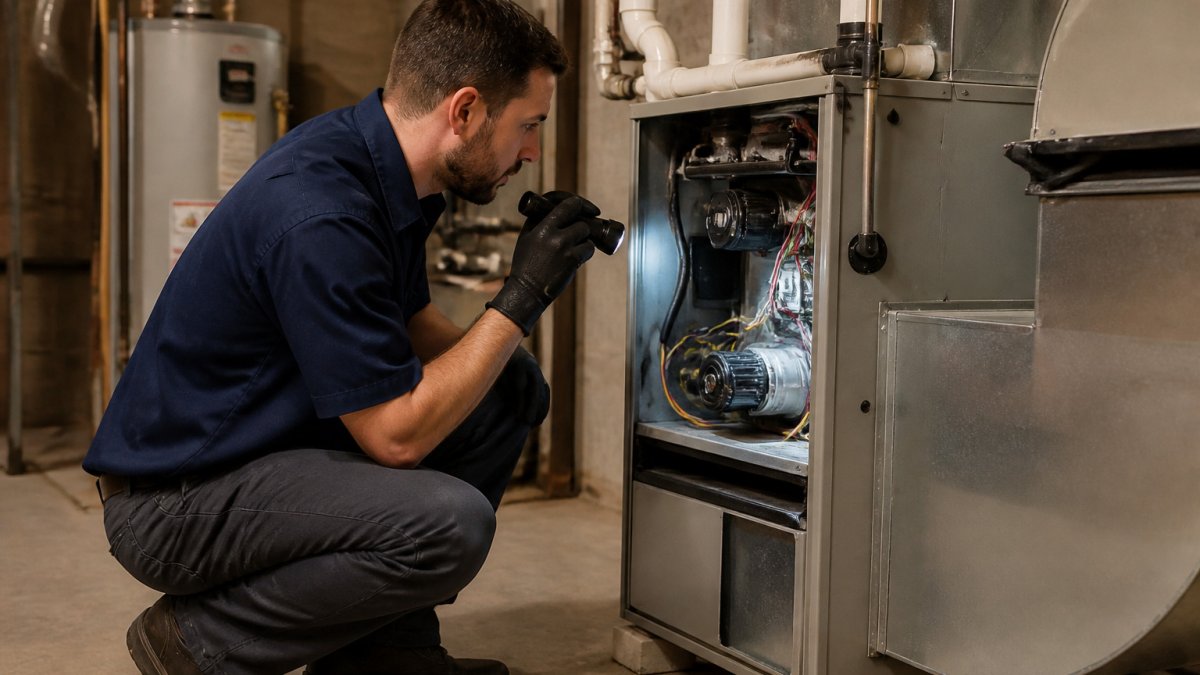
Have fuel-burning equipment serviced according to the manufacturer's recommendations, including regular burner, venting, and combustion safety checks.
U.S. Department of Energy guidance on home heating and cooling efficiency
Electric Resistance and Electric Furnace Options
Electric resistance heating turns electricity directly into heat through baseboard units, wall heaters, or an electric furnace. It does not burn fuel, so it needs no combustion vent or gas line. Installation still depends on the available electrical capacity.
The main tradeoff is electricity use. Resistance heaters generally use more electricity to deliver the same amount of heat than a heat pump operating within its rated conditions. They may still make sense for occasional supplemental heat in one room.
If you are replacing electric resistance equipment, compare it with a heat pump using your utility rates and expected use. Include any electrical or ductwork changes in the installation estimate.
Side-by-Side Cost, Efficiency, and Compatibility Comparison
The table below shows what affects installation and operating costs for each option. Equipment condition, maintenance, and usage affect service life, so a general lifespan estimate should not be treated as a replacement deadline.
Total Cost of Ownership, Not Just Sticker Price
Compare more than the equipment price. Include installation labor, electrical or venting work, fuel or electricity, and routine maintenance. Ask each contractor to use the same utility rates and heating needs when estimating operating costs for your Jefferson County home.
| Option | Upfront Cost Factors | Operating Cost Factors | Installation Requirements | Service Life Considerations |
|---|---|---|---|---|
| Air-source heat pump | Equipment, ductwork, electrical work, and backup heat | Electricity rates, outdoor temperatures, efficiency, and backup heat use | Suitable ducts for ducted models, a correctly sized circuit, and outdoor clearance | Maintenance, runtime, and outdoor exposure |
| Ductless mini-split | Number of zones, equipment sizing, and refrigerant line routing | Electricity rates, efficiency, and zone usage | Electrical supply, indoor mounting space, refrigerant lines, and condensate drainage | Filter and coil cleaning, runtime, and installation quality |
| Gas furnace | Equipment, gas piping, ductwork, and venting | Gas rates, furnace efficiency, and heating demand | Gas supply, approved venting, ductwork, and combustion air | Maintenance, equipment condition, and heat exchanger integrity |
| Propane furnace | Equipment, tank arrangements, piping, and venting | Propane rates, deliveries, efficiency, and heating demand | On-site tank, approved fuel supply and venting, and ductwork | Maintenance, equipment condition, and heat exchanger integrity |
| Electric furnace | Equipment, electrical capacity, and ductwork | Electricity rates and heating demand | Circuit and electrical service sized for the load; suitable ductwork | Heating element, blower, and control condition |
| Electric resistance baseboard or wall heater | Number of heaters, wiring, and controls | Electricity rates, room heat loss, and hours of use | Properly sized circuits and required clearances; no ducts needed | Heater condition, cleaning, and control operation |
| Wood stove or wood furnace | Equipment, chimney, hearth, and any distribution system | Wood supply, fuel preparation, and chimney maintenance | Approved chimney or flue, clearances, fuel storage, and local code review | Stove or furnace condition and chimney maintenance |
| Geothermal heat pump | Equipment, ground loop design, excavation or drilling, and distribution system | Electricity rates, loop design, and system efficiency | Suitable ground loop location, site work, and compatible indoor distribution | Indoor equipment and ground loop have different maintenance and replacement needs |
Efficiency Ratings You Can Compare
Compare the same ratings within each equipment type. AFUE describes fuel-burning furnace efficiency. HSPF2 measures seasonal heating efficiency for air-source heat pumps, while SEER2 covers cooling efficiency. These ratings are not interchangeable. For heat pumps, also ask about capacity and efficiency at the outdoor temperatures used to size your system.
Compatibility and Installation Requirements
Before choosing equipment, have the contractor check these conditions:
- Electrical capacity. Heat pumps, mini-splits, and electric furnaces need circuits that meet the manufacturer's requirements. The electrical panel may need changes.
- Ductwork. Existing ducts can be reused only if their size, condition, and layout support the new system's airflow. Leaks and restrictions should be addressed.
- Venting and combustion air. Gas, propane, and wood equipment need approved venting and clearances. Condensing furnaces also require condensate drainage and vent materials approved for the model.
- Fuel access. Natural gas availability, propane tank placement, and wood storage affect which options are practical.
- Permits and inspections. Confirm requirements with the authority that covers your address. Ask who obtains any required permits and schedules inspections.
- Space. Geothermal loops need suitable land or drilling access. Outdoor heat pump units need a stable base and the manufacturer's required clearances.
Incentives and Rebates
Incentive programs and eligibility rules change. Before including a tax credit or rebate in your budget, verify current availability with the utility, program administrator, or a tax professional. Confirm that your address, equipment, and installation date qualify.
How to Compare Heating Contractors
Compare the proposed work, not just the company name or bottom-line price. Check applicable licensing and insurance, ask why repair or replacement is recommended, and make sure the estimate addresses existing ducts, electrical service, and venting.
Choosing Equipment for Your Home and Climate
The best fit depends on the building and how you use it. Use this table to start the conversation, then have the contractor check sizing and installation requirements.
| Situation | Options to Consider | What to Check |
|---|---|---|
| Whole home with existing ductwork and moderate heating demand | Air-source heat pump | Duct condition, heating capacity, and cooling performance |
| Whole home with existing ductwork and hard winter freezes | Cold-climate heat pump or gas furnace | Low-temperature capacity, backup heat needs, and fuel availability |
| Addition, basement, or garage without ducts | Ductless mini-split | Room layout, insulation, mounting space, and drainage |
| Detached garage used occasionally | Electric resistance heater or mini-split | Hours of use, electrical capacity, and whether cooling is wanted |
| Rural property without natural gas | Propane furnace or heat pump | Tank placement, fuel deliveries, electrical capacity, and winter performance |
| Home with suitable land and plans for long-term ownership | Geothermal heat pump | Ground conditions, loop design, site work, and total installation cost |
| Supplemental heat for one room | Electric resistance heater or mini-split | Room heat loss, usage, and safe installation clearances |
Questions to Ask Each Contractor
Ask each company the same questions so you can compare the answers:
- Do you hold the licenses required for this work, and can you provide proof of insurance?
- Will you explain whether a repair is reasonable before recommending replacement?
- How will you check my home's heating needs, ductwork, and electrical capacity?
- Can you provide a written, itemized estimate that includes any electrical or venting work?
- Do you offer a maintenance plan, and what does it include?
- Who handles any required permits and inspections?
Safety, Emissions, and Indoor Air Quality
Equipment that burns gas, propane, or wood can produce carbon monoxide and needs proper venting, combustion air, and safety checks. Wood smoke also affects air quality. Ask how the contractor will test combustion equipment and address ventilation. Maintain carbon monoxide alarms according to their instructions; alarms do not replace equipment inspections.
Reading Reviews for Consistency
Look for patterns across recent reviews rather than relying on one unusually positive or negative experience. Pay attention to comments about explanations, written estimates, cleanup, and follow-up. You can read Ricotta Heating & Air's Google Business Profile reviews as part of your research.
HVAC Company Reviews and Questions to Ask Before You Choose
Reviews are one part of the decision, not a substitute for a clear proposal. As you read customer feedback on Ricotta Heating & Air's Google Business Profile, note any questions you want to discuss during your assessment.
Before approving work, confirm these details:
- Does the company meet applicable licensing and insurance requirements?
- What did the inspection find, and why is repair or replacement recommended?
- Will existing ductwork need repairs or changes?
- Does the written estimate clearly list included work and exclusions?
- What maintenance does the proposed equipment require?
Scheduling Your Heating Assessment With Ricotta Heating & Air
Ricotta Heating & Air is a family-owned company based in Hillsboro, serving Jefferson County and South St. Louis County. Contact the team to discuss your current system and replacement options. You can read customer feedback and review our heat pump repair and installation options before deciding.
Frequently Asked Questions
What is the cheapest and most efficient way to heat your home?
There is no single answer for every home. Compare installation requirements, utility rates, insulation, and heating demand. Heat pumps can use less electricity than resistance heaters, but winter performance and backup heat use matter. Ask for an operating-cost comparison based on your home rather than a general ranking.
How do I compare HVAC companies for a furnace or AC replacement?
Compare written estimates that list equipment models, efficiency ratings, sizing, and the full installation scope. Ask why each company recommends repair or replacement, and verify applicable licensing and insurance. Read recent customer feedback and look at how the company responds to concerns.
What questions should I ask before scheduling an HVAC repair?
Ask about appointment availability, diagnostic charges, and what the inspection includes. Confirm that the company works on your equipment type and meets applicable licensing requirements. Ask how findings and repair options will be explained, and get the proposed work and cost in writing before approving repairs.

This article was written with AI assistance and edited for Hillsboro and Jefferson County homeowners by Ricotta Heating & Air. For advice about your own system, call (314) 333-5900.