
Save $150–$300 on Whole House Dehumidifier Cost in St. Louis
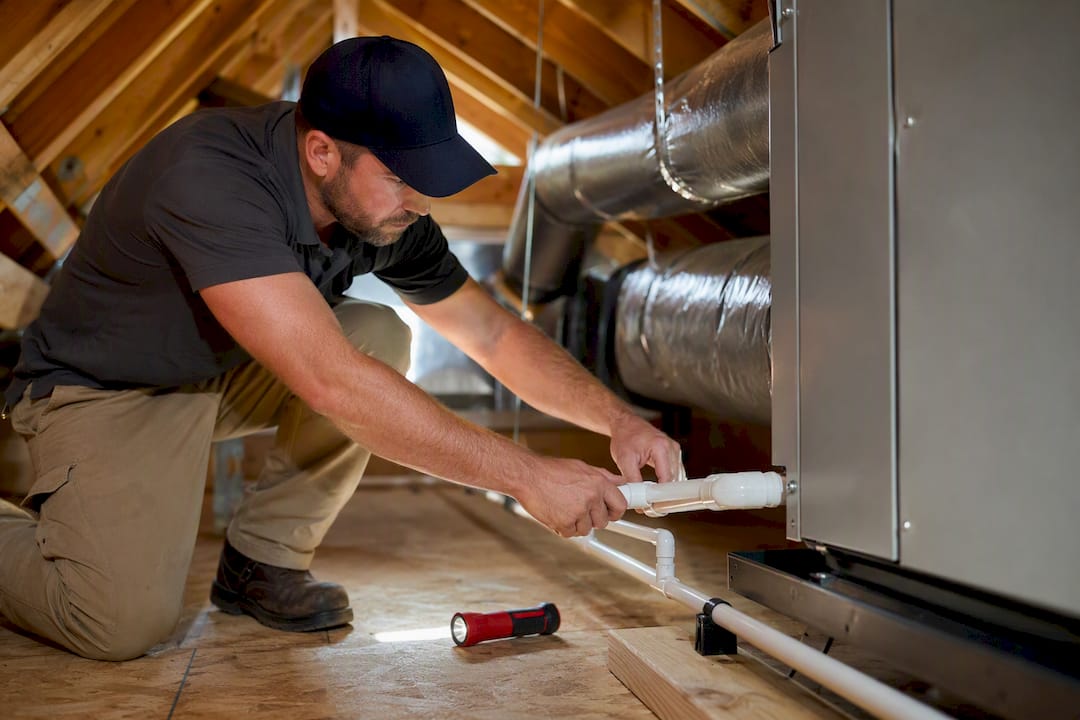
Expect to pay roughly $1,300 to $3,500 for a whole-house dehumidifier, unit plus professional installation, with straightforward jobs landing near the low end. What pushes that number around are three things: how many pints per day of capacity your home actually needs, how easy it is to run ductwork and reach the install spot, and whether you already have a gravity drain or need a condensate pump. Your first move should be a professional sizing diagnostic and at least two itemized quotes, rather than a guess based on square footage.
TL;DR:
- Choosing the right capacity dehumidifier depends on actual moisture load, not house size, with 70-80 pints suitable for small or drier homes and 120+ for large, damp spaces.
- Installation costs vary significantly based on ductwork complexity, access location, drain setup, and regional labor rates, often ranging from $400 to $1,500 for labor alone.
- Proper sizing via professional diagnostics prevents overspending on units that are too large or too small, saving money and ensuring efficiency.
- Using a gravity drain is ideal, but if unavailable, internal or external condensate pumps will add $125 to $500 to the overall cost.
- Operating expenses typically add $15 to $25 monthly in electricity, with units lasting 10 to 15 years and warranties affecting long-term ownership costs.
Table of Contents
- How Much Does a Whole House Dehumidifier Cost by Capacity?
- What Does Whole House Dehumidifier Installation Cost Beyond the Unit?
- Does Placement or Drain Type Change the Price?
- What Will It Cost to Run and Maintain Each Year?
- Do You Actually Need a Whole House Dehumidifier?
- How Do You Get an Accurate Whole House Dehumidifier Quote?
- What Ricotta Sees on Real Jefferson County and St. Louis Jobs
- Getting Your Bid Right the First Time
- Ready for a Straight Answer on Your Home’s Humidity Costs?
- Where These Cost Figures Come From
- Sources
How Much Does a Whole House Dehumidifier Cost by Capacity?
Equipment price scales almost entirely with pints-per-day capacity, and that number matters more than the size of your house. A humid basement in a small home can demand a bigger unit than a dry, well-sealed two-story place twice its size. Here’s roughly what you’ll pay for the unit itself, before labor:
- 70 to 80 pints/day: Entry-level whole-home capacity, suited to smaller homes or homes without a chronic moisture problem.
- 90 to 100 pints/day: The most common tier for average-size homes in humid climates, and where most quotes land.
- 120+ pints/day: Built for large homes, homes with a wet crawl space, or homes layered on top of a damp basement that never quite dries out.
Across those tiers, line-item cost guides put equipment alone at roughly $1,000 to $2,300, with capacity being the single biggest swing factor in that range, according to installation cost data.
Features move the price too. A built-in condensate pump adds to the sticker price but can save you an installation headache later. Quieter compressor designs and models with smart humidity controls (the kind that talk to your thermostat or a phone app) sit at the upper end of each tier. None of that is wasted money if your home needs it, but buying a 120-pint unit “to be safe” when a diagnostic says 90 pints will cover it just means you’re paying more upfront and running a unit that short-cycles instead of working efficiently. Oversizing is one of the most common and most avoidable ways homeowners overspend on this project.
What Does Whole House Dehumidifier Installation Cost Beyond the Unit?
Installation costs are where quotes start to differ wildly, and where you need to compare line items instead of one bottom-line number. Here’s what typically shows up on an itemized bid:
- Labor: Straightforward installs near an existing air handler generally run on the lower end of the $400 to $1,500 labor and add-on range. Attic work, tight crawl spaces, or finished basements with limited access push labor hours up fast.
- Ductwork: Tying into existing return ductwork is the cheapest path. A dedicated return or new duct runs cost considerably more, and ductwork additions commonly run $1,000 to $2,700 depending on distance and framing obstacles.
- Electrical: Most whole-home units need a dedicated circuit. Budget extra if your electrical panel is already at capacity or far from the install spot.
- Permits: Many municipalities require a permit for ductwork or electrical modifications, and skipping one can cause problems at resale.
- Removal and add-ons: Hauling away an old unit and adding a condensate pump both show up as separate line items on a well-written quote.
Labor rates also shift by region, since HVAC wages vary noticeably by metro area, so a quote in a major city won’t always match a rural one for identical work.
Does Placement or Drain Type Change the Price?
Sizing by pints per day, not square footage, is the standard that matters. A humid, poorly ventilated crawl space can demand more dehumidifying capacity than a much larger, drier upstairs, because you’re removing moisture load, not covering floor area. That’s a core reason technical HVAC sizing guidance treats a proper diagnostic as non-negotiable rather than optional.
Where the unit goes changes the labor bill:
- Basement placement near the furnace or air handler is usually the cheapest and easiest tie-in.
- Attic installs cost more because of access, insulation disturbance, and longer duct runs.
- Crawl space installs vary widely depending on head clearance and how far the unit sits from the nearest drain line.
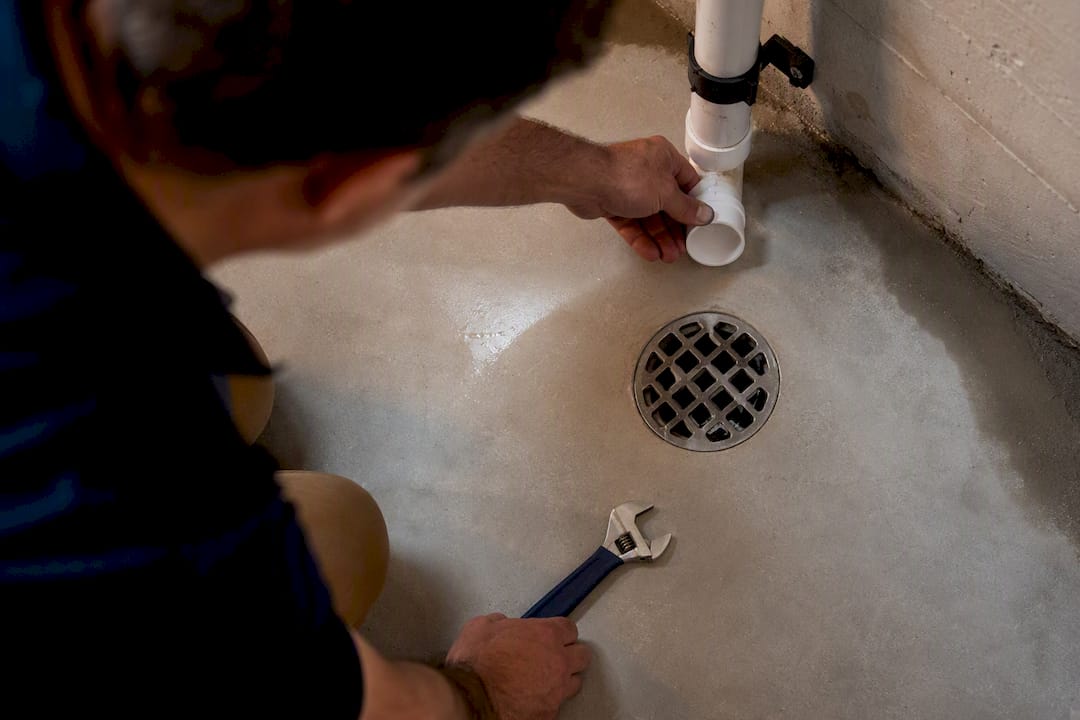
Drainage is its own cost decision. A gravity drain near the unit costs nothing extra. Without one, you’ll need an internal condensate pump (roughly $150 to $500 installed) or an external pump plus labor, starting around $125 before installation.
Pro Tip: Ask your contractor to check drain access during the diagnostic visit, not after the unit is already mounted. A pump added as an afterthought routinely costs more than one planned into the original quote.
What Will It Cost to Run and Maintain Each Year?
Running a whole-house dehumidifier through humid months typically adds about $15 to $25 a month to your electric bill, with climate and how often it cycles widening that range.
By the numbers: Homeowners can expect roughly $15 to $25 in added monthly electricity costs during peak humidity season, on top of an annual service visit that typically includes a filter change and drain line check.
Most units last 10 to 15 years with a filter change and drain check once a year. Manufacturer warranties (often 5 to 10 years on the compressor) can shift your real cost of ownership significantly if a unit fails early, so read warranty terms before comparing prices between two similar quotes.
Do You Actually Need a Whole House Dehumidifier?
A whole-home system earns its cost when you’re fighting consistent humidity across multiple rooms or floors, chronic mold or mildew smell, or condensation on windows that won’t quit even with the AC running. It delivers even humidity control that a portable unit in one room simply can’t match.
If the problem is isolated, an undersized or aging AC system struggling with moisture removal might be the actual issue, and fixing that could solve your humidity complaint without adding new equipment.
- One portable unit costs less upfront but needs constant emptying and only covers one room.
- Two or three portables to cover a whole house often costs close to a whole-home system over a few years, without matching its coverage or efficiency.
How Do You Get an Accurate Whole House Dehumidifier Quote?
A trustworthy quote spells out every cost driver by name, not as one lump number. Request line items for the unit model and capacity, labor hours, ductwork scope, drain or pump plan, permit fees, and warranty terms.
Before you sign anything, ask these questions:
- What sizing method did you use, and did you measure actual humidity load and airflow?
- Is a gravity drain available, or does this quote include a condensate pump?
- Does the labor estimate account for my specific access point (basement, attic, crawl space)?
- What’s covered under warranty, and for how long?
- Are you licensed and insured in my area, and can you provide recent local references?
| Quote line item | Why it matters |
|---|---|
| Unit model and capacity (pints/day) | Confirms correct sizing, not guesswork |
| Labor hours and access notes | Flags hidden costs from attic/crawl work |
| Ductwork scope | Distinguishes a simple tie-in from new runs |
| Drain plan or pump cost | Prevents surprise add-ons after install day |
| Permit fees | Confirms code compliance |
| Warranty terms | Shapes your real long-term cost |
A contractor who skips the diagnostic and quotes a price over the phone is a red flag worth walking away from.
What Ricotta Sees on Real Jefferson County and St. Louis Jobs
After 50 years serving homes across St. Louis and Jefferson County, and with over 150 five-star Google reviews behind that work, Ricottaheatingandair has quoted this exact project more times than most homeowners realize.
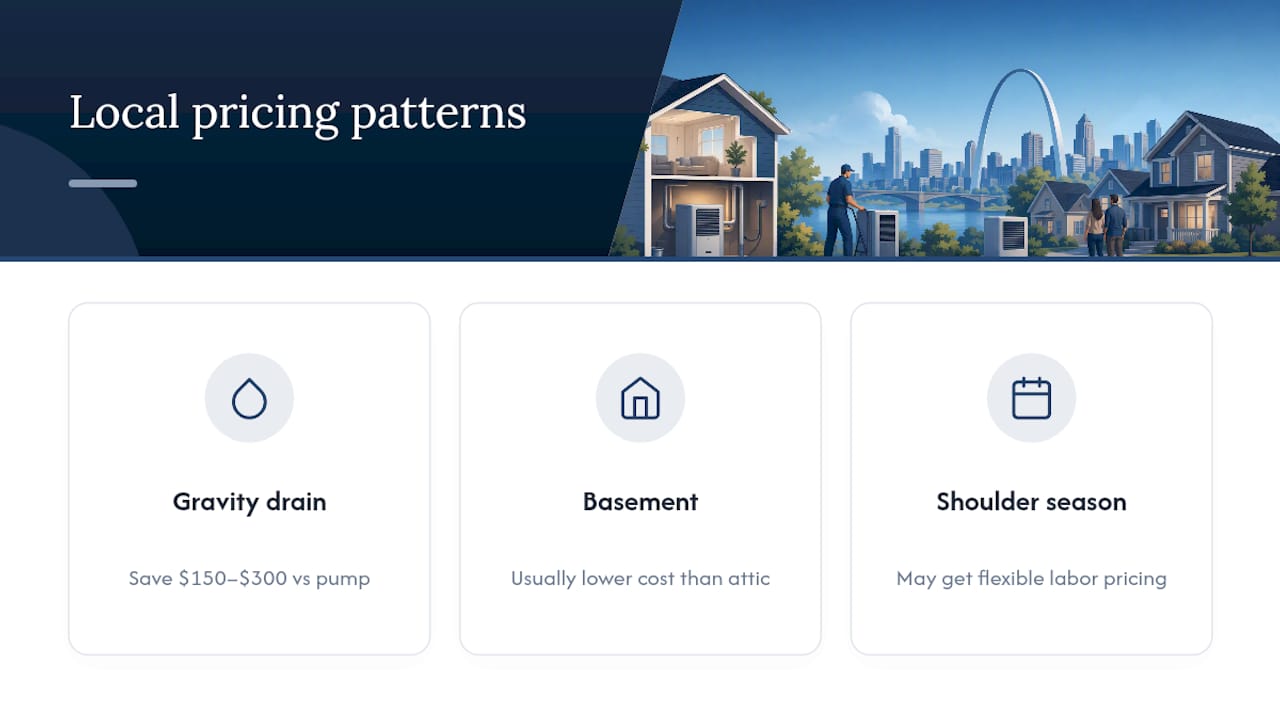
A few patterns show up consistently. Homes with an existing gravity drain within reach of the install spot routinely save $150 to $300 versus homes needing a pump added mid-project. Basement placements near the existing air handler almost always price lower than attic retrofits. And homeowners who ask us to schedule installation during shoulder-season months, rather than peak summer, sometimes get more flexible labor pricing simply because our schedule has more breathing room.
Getting Your Bid Right the First Time
Get two itemized bids before you commit to anything, and make sure both contractors performed an actual sizing diagnostic rather than eyeballing your square footage. Prioritize correct capacity and a sound drain plan over whichever unit has the lowest price tag. If you want a local, line-item quote built around your home’s actual humidity load, Ricottaheatingandair’s diagnostic visit is the place to start.
— Alan
Ready for a Straight Answer on Your Home’s Humidity Costs?
A trustworthy contractor gets you a real, line-item number instead of a phone-quote guess. Experienced local HVAC teams typically run the diagnostic sizing check described above, then provide an itemized quote covering the unit, labor, ductwork, and drain plan before any work starts.

Book a visit and you’ll get a proper humidity load assessment, a sizing recommendation matched to your actual home, and a clear drain plan (gravity or pump) spelled out before you approve anything. If ongoing upkeep matters to you as much as the install price, ask about our HVAC maintenance plans, which keep annual service and filter checks on schedule so your investment actually lasts as long as it should. Reach out today to get your itemized quote started.
Where These Cost Figures Come From
The ranges in this guide draw on established cost-reporting sources rather than a single contractor’s price list, so you can cross-check them yourself:
- HomeGuide’s installed cost breakdown for the overall $1,300 to $3,500 range
- HomeWyse’s line-item cost data for equipment versus labor splits
- CostToRenovate’s capacity and ductwork figures for tiered pricing
- One Day Doors & Closets on humidity’s effects inside homes
Sources
- Cost to Install Dehumidifier — HomeWyse
- Whole-House Dehumidifier Installation Cost in 2026 — CostToRenovate