
Verify COP, NEEP, and Sizing for Cold Climate Heat Pumps in St. Louis
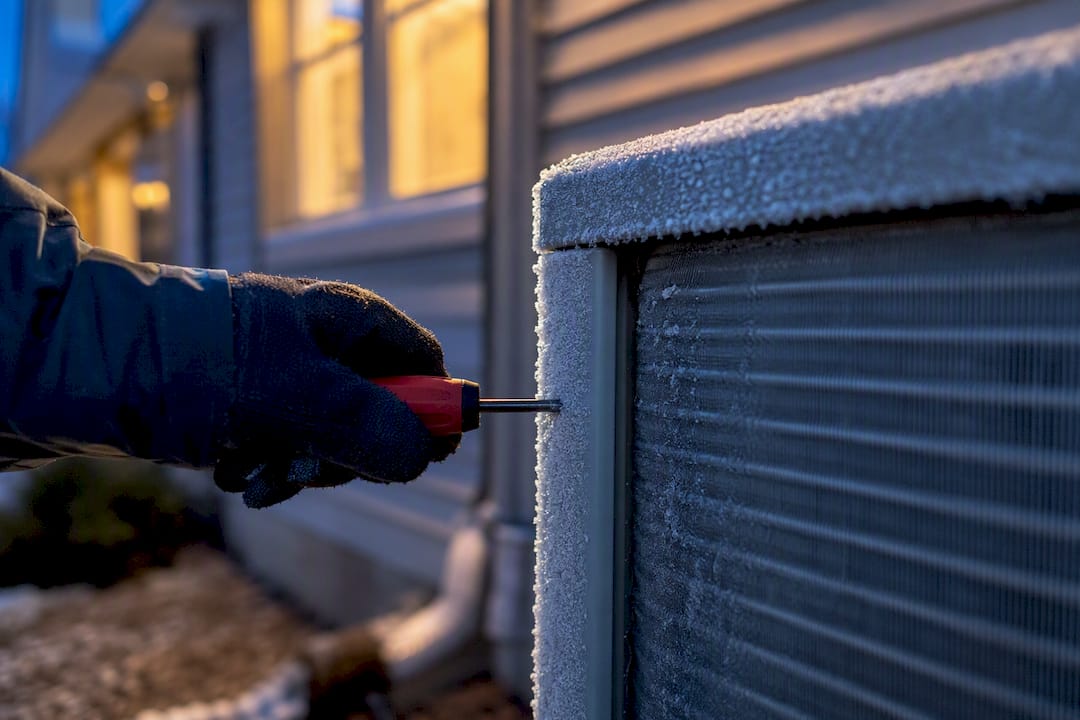
Yes, modern cold-climate heat pumps reliably heat northern homes, including the deep freezes we get across St. Louis County and Jefferson County. Today’s cold-climate air-source heat pumps (ccASHPs) run efficiently down to temperatures well below freezing, with some models holding capacity even at very low temperatures in the cold climate range, and geothermal systems sidestep outdoor temperature limits entirely. Real-world success comes down to three things: the right equipment, correct sizing, and a solid backup plan for the coldest nights.
TL;DR:
- Cold-climate heat pumps rely on variable-speed compressors, vapor injection, and smart defrost cycles to maintain efficiency at very low outdoor temperatures.
- Proper sizing with a manual load calculation and capacity-at-temperature data is critical to avoid short-cycling and energy waste.
- Most retrofits should select a NEEP-listed ccASHP due to cost-effective performance, while geothermal systems are better suited for new construction or homes with higher budgets.
- At 47°F, a quality ccASHP can achieve a COP of 3.5 to 4, but efficiency drops significantly below 5°F without specialized engineering.
- Proper installation, winter maintenance, and backup heating plans are essential for reliable winter operation of cold-climate heat pumps.
Table of Contents
- How Cold-Climate Heat Pump Technology Actually Works
- Cold-Climate Air-Source Versus Geothermal: Which Fits Your Home?
- Getting the Size Right: The Step Most Installers Skip
- What Performance to Expect: COP, NEEP Listings, and DOE Testing
- Budgeting for a Cold-Climate Heat Pump: Costs and Payback
- Keeping It Running: Installation and Winter Maintenance
- A Local Expert’s Take on Cold-Climate Installs
- Which System Should You Actually Choose?
- Get a Cold-Climate Heat Pump Quote Built on Real Numbers, Not Guesswork
- Sources
- FAQ
How Cold-Climate Heat Pump Technology Actually Works
The technology that separates a cold-climate heat pump from an old-fashioned model is the compressor. Instead of running at one speed, variable-speed inverter-driven compressors ramp up output as the temperature drops, which is why they keep working well below the point where older units used to give up.
A few features do the heavy lifting:
- Vapor injection or enhanced compression: boosts refrigerant flow to squeeze more heating capacity out of cold outdoor air.
- Smart defrost cycles: clear ice from the outdoor coil without dumping your indoor comfort in the process.
- Variable-speed operation: matches output to the actual load instead of blasting full power or shutting off entirely.
Here’s the distinction that trips up a lot of homeowners: a heat pump can technically “operate” at 0°F, but that doesn’t mean it’s operating efficiently. That’s where COP, or coefficient of performance, comes in. It measures how much heat you get out for every unit of electricity you put in. A COP of 3 means you’re getting three times the heat energy compared to straight electric resistance heat. As temperatures fall, COP drops, and that number tells you far more about winter performance than any marketing headline about “operating range.”
Cold-Climate Air-Source Versus Geothermal: Which Fits Your Home?
Air-source and geothermal heat pumps pull heat from two completely different places, and that difference shows up directly in your winter comfort and your budget.
A ccASHP pulls heat from outdoor air, so its performance dips as the mercury drops. A ground-source (geothermal) system pulls heat from the earth a few feet down, where temperatures stay stable year-round regardless of the polar vortex outside. That stability is why ground-source systems maintain a COP of roughly 3.0 to 4.5 at subzero temperatures, while air-source units without cold-climate engineering can see COP fall toward 1.0.
The tradeoff is cost. Geothermal typically runs 2 to 3 times more to install than air-source, though it often lasts longer with fewer outdoor-facing components exposed to weather.
- Choose geothermal for new construction, large heating loads, or when local rebate stacks make the loop-drilling cost more palatable.
- Choose a NEEP-listed ccASHP for most retrofits, where cutting the upfront cost matters more than shaving another point off COP.
Getting the Size Right: The Step Most Installers Skip
Undersizing and oversizing are the two mistakes that ruin a heat pump’s reputation, and both come from skipping the math in favor of a rule of thumb.
- Start with a Manual J load calculation. This measures your actual home’s heat loss, room by room, instead of guessing from square footage. ACCA’s Manual J and Manual S together are the industry standard for matching equipment to load rather than relying on nameplate tonnage.
- Request capacity-at-temperature tables from the installer. Every heat pump has a rated capacity at, say, 47°F and a very different number at 5°F or -5°F. Compare that number to your calculated heating load at your local design temperature.
- Pick a sizing strategy on purpose. Some homes get a heat-focused sizing that covers nearly the whole load; others use intentional “dual-fuel” undersizing, pairing the heat pump with a furnace that kicks in only on the coldest days.
- Check the minimum capacity, not just the maximum. A unit that can’t step down far enough will short-cycle, turning on and off rapidly, which wastes energy and leaves your home clammy in summer.
Pro Tip: If two contractors quote wildly different equipment sizes for the same house, ask each one for their Manual J numbers. The one who can’t produce them is guessing, not calculating.
What Performance to Expect: COP, NEEP Listings, and DOE Testing
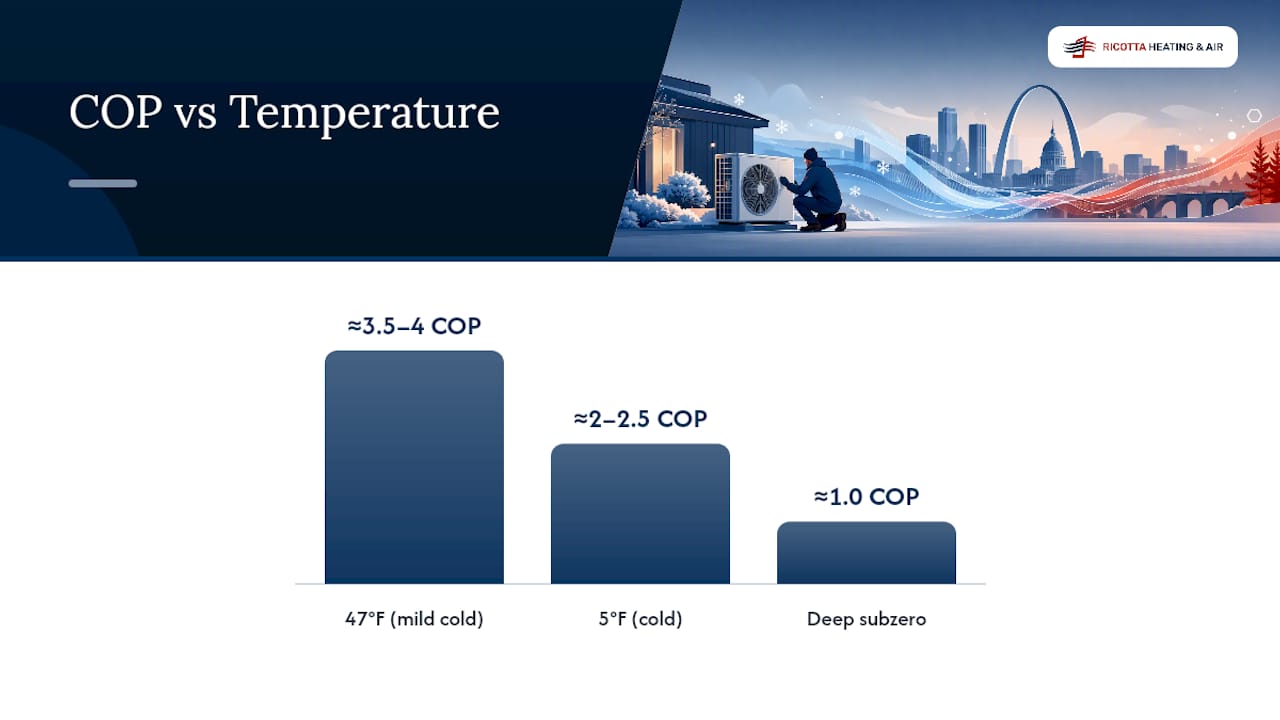
Numbers matter more than marketing claims when you’re staring down a January cold snap. At 47°F, a good ccASHP might post a COP around 3.5 to 4. Drop to 5°F, and that same unit may land closer to 2 to 2.5. Push into deep subzero territory without cold-climate engineering, and COP can approach 1.0, meaning the unit is barely better than a space heater.
Verifying real performance means checking the source, not the sales sheet. NEEP’s cold-climate specification sets performance thresholds, including COP requirements at 5°F, and maintains a product list you can cross-check against any quote. ENERGY STAR’s product finder includes a cold-climate filter for the same purpose. On the research side, the DOE’s Residential Cold Climate Heat Pump Challenge is pushing lab-tested prototypes toward even better full-capacity performance at lower temperatures, so expect the bar to keep rising over the next few winters.
Budgeting for a Cold-Climate Heat Pump: Costs and Payback
Installed cost ranges vary widely depending on system type and your home’s existing ductwork, but a few patterns hold true across most quotes.
- Ducted ccASHP systems generally cost more than a standard air-source unit due to the enhanced compressor and controls, though exact pricing depends on your home’s size and duct condition.
- Ductless mini-split systems often run less than a full ducted retrofit, especially in additions or homes without existing ductwork.
- Geothermal systems cost roughly 2 to 3 times more than air-source upfront, largely due to loop installation.
- Rebates change the math fast. Missouri utility programs and state incentives can shift a geothermal system from “not worth it” to competitive, so check your local utility’s current offers before ruling anything out.
Payback depends on what fuel you’re replacing, your electric rate, and how well the system is sized. For many retrofits, air-source systems tend to have more favorable lifetime-cost comparisons unless specific local factors, such as rebates or new construction, support geothermal systems.
Keeping It Running: Installation and Winter Maintenance
A heat pump installed and forgotten is a heat pump that underperforms. Winter reliability comes down to a handful of details most homeowners never think to ask about until something goes wrong.
- Site the outdoor unit off the ground on a proper pad, away from snow-drift zones and roof runoff, so it doesn’t end up buried after the first big storm.
- Confirm condensate drainage is planned for freeze-thaw cycles. Defrost cycles produce water, and poor drainage means ice buildup right where you don’t want it.
- Schedule annual tune-ups that check refrigerant charge, coil clearance, filter condition, and thermostat calibration.
- Plan your backup heat before the first cold snap, not during it. Know what temperature your system’s aux heat kicks in and what that means for your bill during an extended cold spell.
Sealing up drafts around doors and windows reduces the load your heat pump has to fight in the first place. One Day Doors & Closets has a solid winterization checklist worth running through before your first hard freeze.
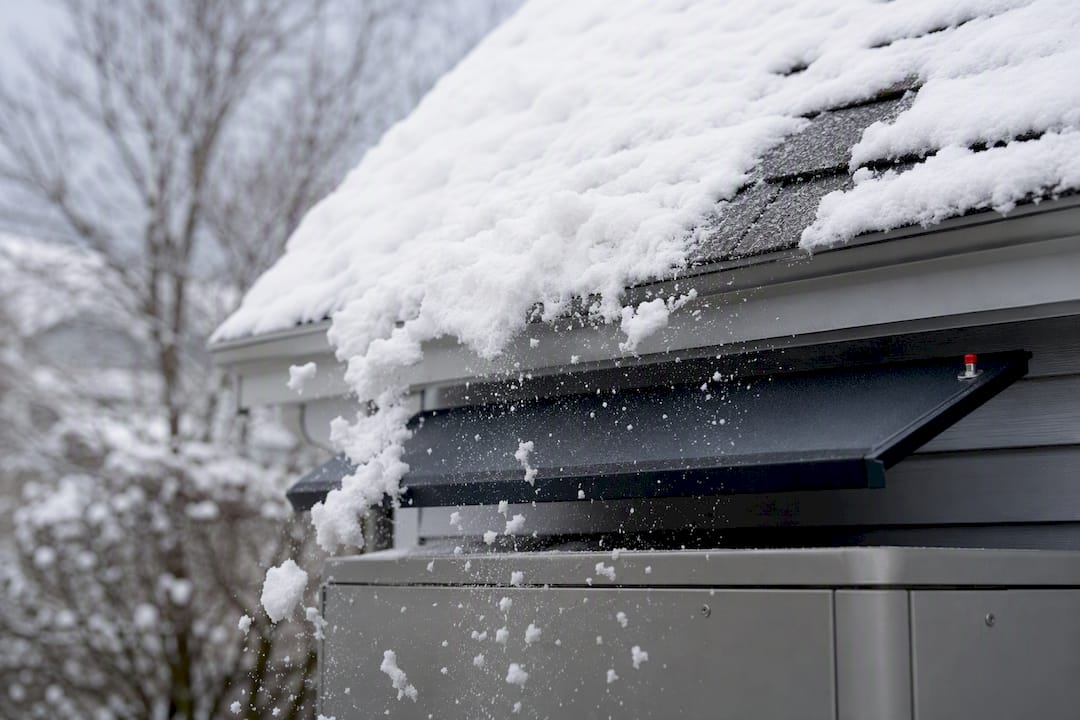
Pro Tip: If your outdoor unit sits under a roofline with no gutter, ask your installer about a small awning. Roof avalanches off metal or steep roofs bury units every winter across Jefferson County, and it’s a cheap fix compared to a service call.
A Local Expert’s Take on Cold-Climate Installs
A local HVAC company has served St. Louis County and Jefferson County homeowners for decades, with many positive Google reviews reflecting a focus on honest diagnostics rather than upsells. Cold-climate heat pump installs benefit most from that approach because the technology is only as good as the sizing behind it. We handle heat pump installation and service, thermostat integration for dual-fuel setups, and ongoing maintenance plans built for Missouri winters. Before signing any quote, demand a Manual J calculation, manufacturer capacity-at-temperature data, and a clear warranty and service plan in writing.
Which System Should You Actually Choose?
For most cold-climate retrofits in our area, a NEEP-listed ccASHP is the practical choice. Geothermal earns its higher cost mainly in new construction or unusually large homes with strong rebate support. Whichever direction you lean, request three things before you sign: a Manual J calculation, capacity-at-temperature tables, and confirmation the equipment appears on the NEEP or ENERGY STAR cold-climate lists.
— Alan Ricotta
Get a Cold-Climate Heat Pump Quote Built on Real Numbers, Not Guesswork
Plenty of installers will quote a heat pump off square footage alone. Some installers may size a heat pump based on guesswork, but proper sizing is crucial to avoid discomfort and repairs. Every cold-climate heat pump quote should be built around a real Manual J load calculation and manufacturer capacity-at-temperature data to know what to expect before winter.

When you request a quote from us, expect a straight answer: the right equipment size, honest talk about whether dual-fuel backup makes sense for your home, and a written warranty and service plan you can actually read. Our maintenance plans keep your system tuned for winter reliability year after year, and homeowners near Mehlville, Manchester, or Cedar Hill can find their local page for faster scheduling. Ready to see what a properly sized cold-climate heat pump looks like for your home? Schedule a heat pump assessment with our team today.
Sources
Check equipment against the NEEP cold-climate product list, search ENERGY STAR’s certified heat pump listings, and review the DOE’s Cold Climate Heat Pump Challenge for where the technology is headed next.
- Cold Climate Heat Pumps Work! — EnergySense (U of Illinois)
- Cold Climate Air Source Heat Pump Specification — NEEP (v4.0)
- Cold-Climate Heat Pump sizing and selection — PNNL/BASC resource guide
FAQ
Is a cold-climate heat pump worth it?
For most Missouri homeowners, yes. A NEEP-listed ccASHP handles the bulk of your heating load efficiently and often pairs well with existing backup heat for the coldest week of the year.
What is the best heat pump for cold climates?
There’s no single “best” model, but the strongest performers are inverter-driven ccASHPs that appear on NEEP’s cold-climate product list and carry ENERGY STAR’s cold-climate certification, since both verify real low-temperature performance rather than marketing claims.
What is a major disadvantage of a heat pump for cold climates?
Efficiency drops as outdoor temperature falls, and a poorly sized system can require expensive auxiliary heat to run more often than expected, which drives up winter electric bills.
What’s the difference between a cold-climate heat pump and a regular heat pump?
A cold-climate model uses variable-speed compressors, enhanced defrost controls, and sometimes vapor injection to maintain heating capacity well below the point where standard heat pumps lose effectiveness, typically holding performance down to -5°F to -15°F or lower.