
Fix Indoor Air Quality, Cut Allergies: A Homeowner HVAC Plan
Yes, improving your indoor air quality can genuinely reduce allergy symptoms, but no single fix does the job. The reliable path combines source control (removing what triggers you), humidity management, regular cleaning, and consistent HVAC filtration and maintenance working together.
TL;DR:
- Regularly using allergen-proof mattress covers and washing bedding at 130°F can significantly reduce dust mite exposure in the bedroom.
- Source control measures, like encasing bedding and reducing upholstery, combined with vacuuming with HEPA filters, are more effective than single interventions.
- Maintaining indoor humidity below 50% limits dust mite and mold growth, making humidity management a key part of allergy reduction.
- Proper HVAC maintenance, including changing filters with a MERV rating of 11 to 13 and balancing ventilation, enhances allergen removal.
- Persistent or recurring symptoms may require professional testing, duct inspection, or home IAQ assessments to identify hidden sources of allergens.
Table of Contents
- How Indoor Air Quality and Allergens Trigger Symptoms
- Where Common Indoor Allergens Actually Hide
- A Room-by-Room Plan to Cut Allergen Exposure
- What Filters, Ventilation, and HVAC Maintenance Actually Do
- When to Test, See a Doctor, or Call a Pro
- Why Maintenance Beats One-Off Fixes
- Getting a Professional Assessment for Your Home
- Sources
How Indoor Air Quality and Allergens Trigger Symptoms
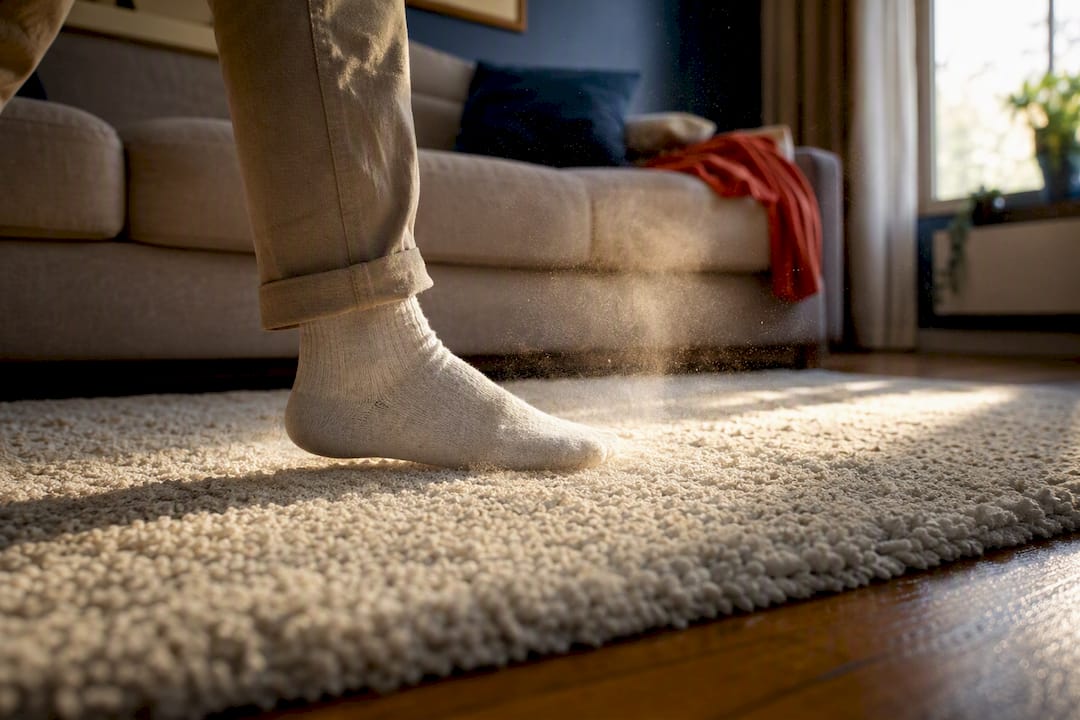
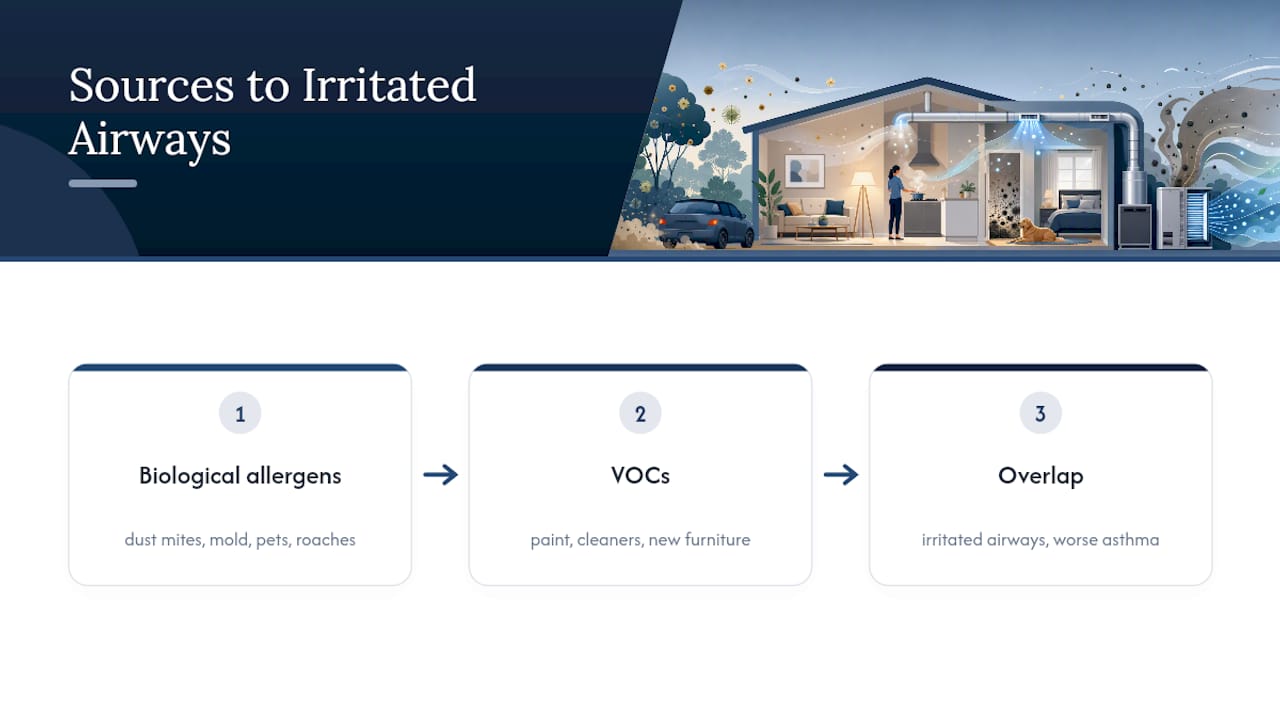
Your immune system reacts to protein fragments carried on dust mite waste, pet dander flakes, mold spores, and cockroach droppings. Some of these particles float for hours; others settle into carpet fibers and mattress seams within minutes. That distinction matters for how you fight them. Airborne particles get pulled into your lungs directly, while settled allergens get kicked back up every time you walk across a rug or plop onto the couch.
Indoor air pollution rarely acts alone. Volatile organic compounds (VOCs) from paint, cleaning products, and new furniture irritate your nasal passages and airways, making them more reactive to the allergens already present. Think of it like a bruise: irritated tissue reacts harder to the next insult than healthy tissue does. A comprehensive review of indoor pollutant exposure found consistent links between biological allergens like dust mites, mold, and pet dander and worsened asthma and allergic disease outcomes, particularly when multiple pollutant sources overlap in the same home.
Pro Tip: If your symptoms flare worse indoors than outdoors during allergy season, that’s a strong clue your home itself, not just pollen drifting in, is the primary driver.
Here’s the catch that trips up a lot of people: single interventions rarely deliver lasting relief. Swapping in one air purifier or vacuuming once a month won’t undo years of accumulated dust mite colonies in your mattress. The research consistently points toward layered, sustained approaches rather than isolated quick fixes.
Where Common Indoor Allergens Actually Hide
Most homes have five or six allergen reservoirs doing the real damage, and most homeowners can name maybe two of them.
- Dust mites thrive in bedding, mattresses, pillows, and carpets wherever humidity sits above 50%, feeding on skin flakes you shed every night.
- Pet dander clings to clothing and furniture and travels room to room; allergic reactions come from proteins in dander, saliva, and urine, which means so called hypoallergenic breeds still produce the same triggering proteins, just sometimes in smaller amounts.
- Mold colonizes damp bathrooms, basements, window sills, and anywhere ventilation is poor; small patches under 10 square feet you can usually scrub yourself, but recurring or widespread growth needs professional remediation.
- Cockroach and rodent allergens build up in kitchens and basements, often signaled by droppings or a musty odor near baseboards and cabinets.
- Pollen and VOCs ride in on shoes, open windows, and off-gassing furniture or cleaning sprays, adding a chemical irritant layer on top of biological triggers.
A Room-by-Room Plan to Cut Allergen Exposure
Start where you spend the most unconscious hours breathing: your bedroom. That’s the biggest lever you have.
- Encase your mattress and pillows in allergen-proof covers, then wash bedding weekly in water at least 130°F to kill dust mites outright.
- Swap heavy drapes for washable blinds and reduce upholstered furniture in the bedroom where mite colonies build up unnoticed.
- Vacuum floors and rugs weekly with a HEPA-equipped vacuum, since standard vacuums often just resuspend fine particles back into the air you breathe.
- Choose area rugs over wall-to-wall carpet where possible. Carpet acts like a sponge for dander and mite debris that no amount of vacuuming fully removes.
- Control kitchen and pantry access points with sealed containers and prompt cleanup to starve cockroaches before they establish a foothold.
- Run a dehumidifier in bathrooms and basements, targeting the humidity range covered in the next section, and fix any standing water or slow drains immediately.
- Build in daily habits that compound, like a no-shoes policy, keeping pets off beds, and wiping down surfaces with a damp cloth rather than dry dusting that just scatters particles.
Pro Tip: If you only have an hour a week to spend on allergen control, put it into bedding and vacuuming, not air fresheners or surface sprays. Bedroom source control delivers the most symptom relief per minute invested.
What Filters, Ventilation, and HVAC Maintenance Actually Do
Ventilation and filtration solve different problems, and confusing the two wastes money. Ventilation brings in fresh outdoor air to dilute indoor pollutant concentration. Filtration captures particles already circulating through your ductwork. You typically need both, calibrated to your specific home.
- A HEPA filter captures 99.97% of particles at 0.3 microns, making it excellent for airborne dander and mite fragments, but it does nothing for allergens already settled into carpet or upholstery.
- MERV ratings of 11 to 13 hit a sweet spot for most residential systems, catching a strong share of allergen-sized particles without straining your blower motor the way a MERV 16 filter often does in a system not designed for it.
- Portable air cleaners should list a CADR (Clean Air Delivery Rate) matched to your room size. A unit undersized for the room barely makes a dent.
- Standard HVAC filters need changing regularly, and more often if you have pets or run the system constantly during peak pollen months, and more often if you have pets or run the system constantly during peak pollen months.
Experts studying combined filtration and source control note that HEPA filtration alone doesn’t clear settled allergen reservoirs, which is exactly why the bedroom checklist above matters as much as anything you buy for your ductwork. Keeping indoor humidity between 30% and 50% is one of the highest leverage moves available, since dust mites and mold both struggle to reproduce below that threshold. Building factors like ventilation rate and occupant habits shape long term indoor air quality outcomes far more than any single appliance, and that’s a case where an HVAC maintenance plan pays for itself by catching filter and duct issues before they become allergen amplifiers.
When to Test, See a Doctor, or Call a Pro
Some situations call for more than a vacuum and a dehumidifier.
- Persistent symptoms despite consistent cleaning and filtration suggest either an unaddressed source or a sensitivity that needs formal allergist testing.
- Recurring mold in the same spot after cleaning usually means a moisture problem behind the wall or under the floor, not a surface issue.
- Allergist skin or blood testing identifies your specific triggers, while a home IAQ inspection identifies where those triggers are concentrated.
- A professional HVAC visit typically includes duct inspection, humidity measurement, and a filtration assessment, giving you a concrete remediation plan instead of guesswork.
- Before calling anyone, run a cheap humidity meter check and a visual scan of bathrooms, basements, and window sills for early mold signs.
Why Maintenance Beats One-Off Fixes
The homes that stay allergy-friendly year after year aren’t the ones with the fanciest air purifier. They’re the ones where somebody actually changes the filter on schedule and fixes small problems before they become big ones.
In the field, the same issues show up again and again: filter housings that don’t seal tight and let unfiltered air bypass the system entirely, return vents nobody remembers to check, and coils caked with buildup that both restrict airflow and create the humid, dark conditions mold loves. Humidity mismanagement is the other repeat offender. A system that’s oversized for the home short cycles, cools the air fast without pulling out moisture, and leaves you with a house that reads comfortable on the thermostat but 60% humidity in the basement. Regular tune-ups catch this. One-time filter swaps don’t.
— Alan
Getting a Professional Assessment for Your Home
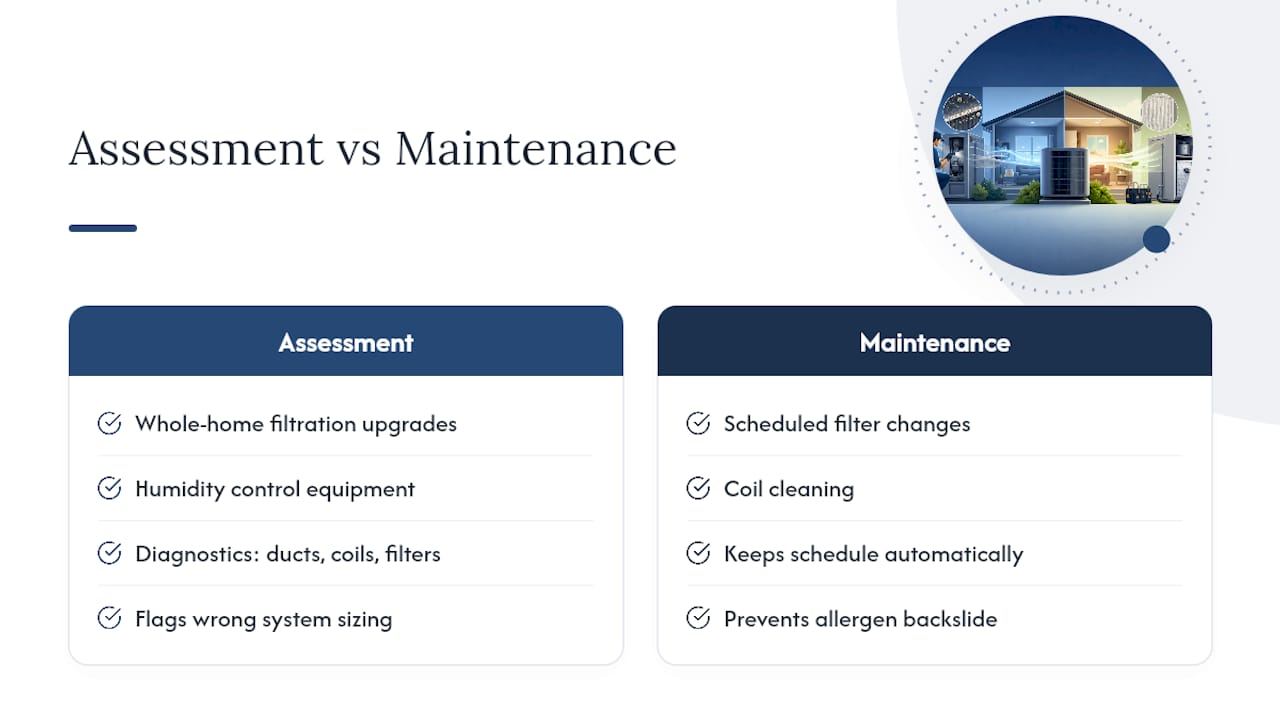
If you’ve worked through the bedroom checklist, the humidity targets, and the filter cadence above and you’re still fighting symptoms, it’s worth having someone look at the whole system instead of guessing room by room. Ricotta Heating & Air’s indoor air quality service covers whole-home filtration upgrades, humidity control equipment, and diagnostic visits that check duct sealing, coil condition, and filter fit, the exact trouble spots that quietly undermine allergy relief.
![cta_image]
A visit gets you an honest read on what your specific home needs, not an upsell script. If your system is older or was never sized right for your home’s humidity load, that gets flagged plainly so you can decide what’s worth fixing now versus later. For ongoing protection, a maintenance plan keeps filter changes and coil cleaning on schedule automatically, which is the single biggest factor separating homes that stay allergen-controlled from ones that backslide every few months. Homeowners across Jefferson County and St. Louis can book an inspection directly and get a straight answer on what your air actually needs.
This article is general information, not a substitute for advice from a qualified doctor. Consult a qualified healthcare professional about your own circumstances before acting on anything here.
Sources
- Indoor Air Pollution, Related Human Diseases, and Recent Trends in the Control and Improvement of Indoor Air Quality - PMC
- Indoor Allergens | AAAAI